
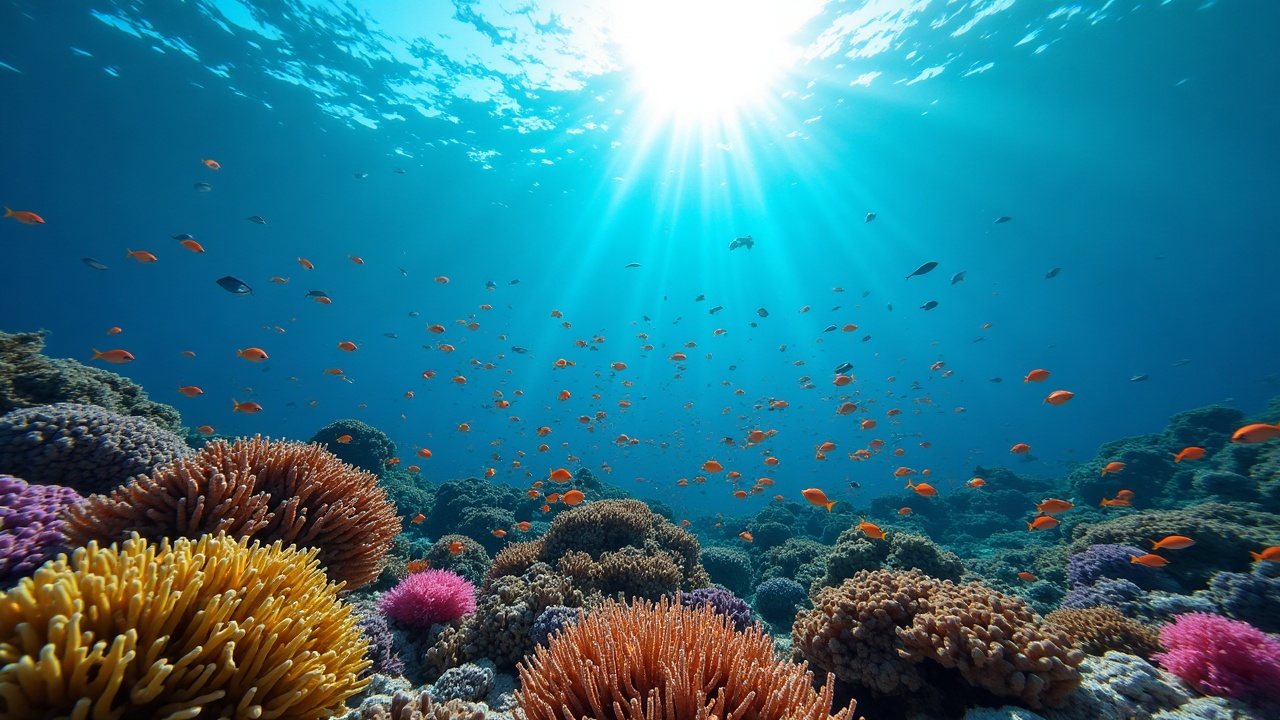
Raja Ampat holds about 75% of the world’s known hard coral species, more than 1,500 islands and cays, and reef-fish counts that top every comparable region on Earth. This page consolidates the verified numbers — with the scientific and institutional sources they come from — so you can quote Raja Ampat accurately.
The Key Numbers
| Metric | Verified figure | Source basis |
|---|---|---|
| Islands, cays & shoals | 1,500+ (archipelago); 610 within the UNESCO biosphere-reserve unit | WWF; UNESCO MAB listing |
| Main islands | 4 — Waigeo, Misool, Salawati, Batanta (the “Four Kings”) | Geographic record |
| Inhabited islands (biosphere unit) | 34 | UNESCO MAB |
| Hard coral species | 537–574 confirmed (600+ cited region-wide) | Rapid ecological assessments; TNC/reef-resilience reports |
| Share of world’s coral species | ≈75% | Multiple scientific profiles |
| Reef fish species (Raja Ampat) | 1,185–1,427 recorded | Allen & Erdmann surveys |
| Reef fish species (Bird’s Head Seascape) | 1,511 (2009), now 1,600+ | Allen & Erdmann synthesis |
| Marine park entry card (2026) | IDR 700,000 international / 425,000 Indonesian, 12 months | Marine Park Authority (BLUD) |
| Peak manta season | December–March (reliable November–April) | Dive-season records |
| Calm/high season | October–April; prime November–February | Dive-season records |
The Bird’s Head Seascape Context
Raja Ampat is the core of the Bird’s Head Seascape — the West Papuan marine region that also includes Cenderawasih Bay (whale sharks) and the Fakfak–Kaimana coast around Triton Bay. Combined surveys across this seascape record over 1,600 reef fish species, which is why scientists describe it as the heart of global marine biodiversity. Explore the sub-regions in our West Papua trilogy cruise guide.
What the Numbers Mean for Your Trip
- Divers: the density peaks in the Dampier Strait and Misool — see the complete dive-site hub.
- Non-divers: the same biodiversity is visible snorkeling — see the non-diver luxury guide.
- Timing: month-by-month conditions in our best time to visit guide.
- Seeing it by private yacht: itineraries that link these numbers to real reefs at Raja Ampat yacht charter.
Frequently Asked Questions
Why is Raja Ampat called the most biodiverse marine region on Earth?
Scientific surveys have recorded 537–574 hard coral species in Raja Ampat — about 75% of all coral species known worldwide — plus roughly 1,185–1,427 reef fish species in Raja Ampat itself and over 1,600 across the wider Bird’s Head Seascape. No other similarly sized marine region matches these totals.