
Raja Ampat Marine Life Guide 2026 — What You’ll See Underwater

Luxury Raja Ampat Editorial Desk
May 25, 2026
6 min read
Luxury Raja Ampat is a luxury yacht charter operator, established 2015, specialising exclusively in Raja Ampat, West Papua. A specialist marine division of Juara Holding Group and sister brand to Komodo Luxury. 800+ private voyages delivered for guests from 45+ countries.
Raja Ampat Marine Life Guide 2026 — What You’ll See Underwater
Raja Ampat sits at the centre of the Coral Triangle, the planet’s epicentre of marine biodiversity. With 1,600+ reef fish species and 75% of the world’s known coral species concentrated in the 50,000 km² archipelago, Raja Ampat is the most biodiverse marine ecosystem on Earth. This guide details the species you can realistically expect to encounter aboard a luxury yacht charter, where to find them, and the best months for sightings.
The Headline Species — What Luxury Guests Come to See
| Species | Best Site | Best Months | Encounter Probability |
|---|---|---|---|
| Reef Manta Ray | Manta Sandy, Manta Ridge | Nov-Apr peak, year-round | 95% |
| Oceanic Manta Ray | Magic Mountain (Misool) | Dec-Mar | 40% |
| Wobbegong Shark | Cape Kri, Mioskon | Year-round | 90% |
| Walking Shark (Epaulette) | Night dives all sites | Year-round | 85% |
| Whale Shark | Cenderawasih Bay extension | May-Oct | 80% |
| Pygmy Seahorse (Bargibanti + Denise) | Most sites — guide-dependent | Year-round | 70% |
| Schooling Barracuda | Sardine Reef, Blue Magic | Year-round | 85% |
| Bumphead Parrotfish | Cape Kri at dawn | Year-round | 70% |
| Reef Sharks (Blacktip, Whitetip, Grey) | Sardine Reef, Wayag | Year-round | 90% |
| Hawksbill & Green Turtle | Most reef sites | Year-round | 99% |
| Pilot Whales | Open water passages | Year-round | 30% |
| Dolphins (Spinner, Bottlenose) | Channel crossings | Year-round | 70% |
Reef Manta Ray — Raja Ampat’s Signature Encounter
Raja Ampat’s reef mantas are residents, not migrants. Two cleaning stations make this the world’s most reliable manta encounter: Manta Sandy in Dampier Strait (5-8 metres, ideal for snorkelers) and Manta Ridge at Arborek (deeper, more dramatic). At Manta Sandy you sit motionless in a sand patch while up to 8 mantas hover overhead being cleaned by wrasses. Encounters last 15-30 minutes. For snorkellers (no diving qualification required), Manta Sandy is the world’s most accessible major manta dive site.
Wobbegong Shark — Cape Kri’s Carpet Predator
The tasselled wobbegong is a flat, camouflaged shark that lies motionless on the reef. Cape Kri (the world’s most fish-diverse dive site by single-dive species count — over 374 species in one dive) hosts large wobbegongs under table corals. They are harmless unless provoked. Photographers value the close-up opportunities; videographers capture the explosive bite-and-swallow when smaller fish stray too near.
Walking Shark — The Endemic Treasure
The epaulette walking shark (Hemiscyllium freycineti, H. galei, H. henryi) is endemic to Raja Ampat — found nowhere else. These small (60cm) sharks “walk” on their pectoral fins across the reef at night. Night dives at most sites yield 2-5 walking shark sightings. Premium liveaboards include guided night dives specifically for walking shark photography.
Pygmy Seahorse — The Macro Holy Grail
Bargibanti’s pygmy seahorse (Hippocampus bargibanti) lives on Muricella sea fans — 1-2cm long, perfectly camouflaged. Denise’s pygmy (H. denise) is even smaller at 1cm. Both require an experienced dive guide who knows individual fan locations. Photographers carry magnifying optics. Our dive masters maintain a “pygmy log” with GPS coordinates of confirmed fan colonies.
Whale Shark — The Cenderawasih Bay Extension
While the central Raja Ampat archipelago lacks reliable whale sharks, Cenderawasih Bay (3 days east of Sorong) hosts the world’s most predictable whale shark encounter — adolescent whale sharks gather around bagans (fishing platforms) feeding on bait fish. Encounters guaranteed May-October. Premium 14-night charters often include a Cenderawasih leg for whale shark photography.
Coral Coverage — The 75% Statistic Explained
Raja Ampat hosts over 530 species of hard coral out of approximately 800 species known globally — a 75% concentration. Reef coverage at most sites exceeds 75% — among the highest in any ocean. The combination of strong currents (carrying nutrients), volcanic substrate (mineral-rich), and limited human pressure creates ideal coral growth conditions. Soft coral fields at Boo Windows (Misool) are the most photographed soft coral landscape on Earth.
Birdlife (Above the Water)
For non-diving guests, Raja Ampat’s bird endemism rivals its marine wealth. The Wilson’s bird-of-paradise and Red bird-of-paradise (both endemic to Waigeo Island) perform dawn courtship dances visible on guided forest treks. Additional species: hornbills, Papuan frogmouths, palm cockatoos, sulphur-crested cockatoos, and 15+ kingfisher species. We arrange dawn birding excursions on multi-day charters.
Seasonal Patterns
October-April (optimal season): Calm seas, 30m+ visibility, mantas peak December-March, whale shark season in Cenderawasih starts May.
May-September (southeast monsoon): Misool difficult to reach, central and northern Raja Ampat remain accessible, whale sharks in Cenderawasih, reduced visitor density, 20-30% lower pricing.
Frequently Asked: Raja Ampat Marine Life
What is the most unique marine species in Raja Ampat?
The endemic epaulette walking sharks (Hemiscyllium freycineti, H. galei, H. henryi) found nowhere else on Earth. Three species walk the Raja Ampat reefs at night. Photography of these endemic sharks is a primary draw for serious underwater photographers.
Can I see manta rays without diving?
Yes — Manta Sandy in Dampier Strait operates at 5-8 metres depth where the manta cleaning station hovers. Snorkelers in proper neutral-buoyancy form on the surface see mantas clearly. The site requires calm sea conditions and a respectful 10-metre distance.
How many fish species can I see in Raja Ampat?
Cape Kri holds the world record for most fish species in a single dive: 374 species observed in one dive by a marine biologist team. Total Raja Ampat fish species: 1,600+. A typical 7-night liveaboard observes 300-500 species.
When are whale sharks in Raja Ampat?
Whale sharks are NOT in the central Raja Ampat archipelago year-round. The reliable site is Cenderawasih Bay, 3-day passage east of Sorong, where adolescent whale sharks aggregate around fishing platforms May-October. Premium 14-night charters include the Cenderawasih leg.
Is Raja Ampat better than Komodo for marine life?
Both are world-class. Komodo has higher current intensity, larger pelagics (manta convergence at Manta Alley), and is more accessible. Raja Ampat has higher species diversity, healthier coral coverage, more endemic species, and the unique walking sharks. Most serious divers visit both.
What is the realistic chance of seeing all the major species?
On a 7-night charter with informed itinerary, expect: 95% probability of manta encounter, 90% wobbegong, 85% walking shark, 70% pygmy seahorse, 85% schooling barracuda, 99% turtles. Adding 7 more nights raises probabilities to near-100% across all categories.
Plan Your Raja Ampat Marine Encounters
Our Sorong-based dive masters customise the itinerary to your target species. Tell us your priorities: macro photography, manta encounters, shark diving, or wide-angle reef. We match vessel and route within 24 hours. WhatsApp: +62 811 3823 875 · Send enquiry
Related Article
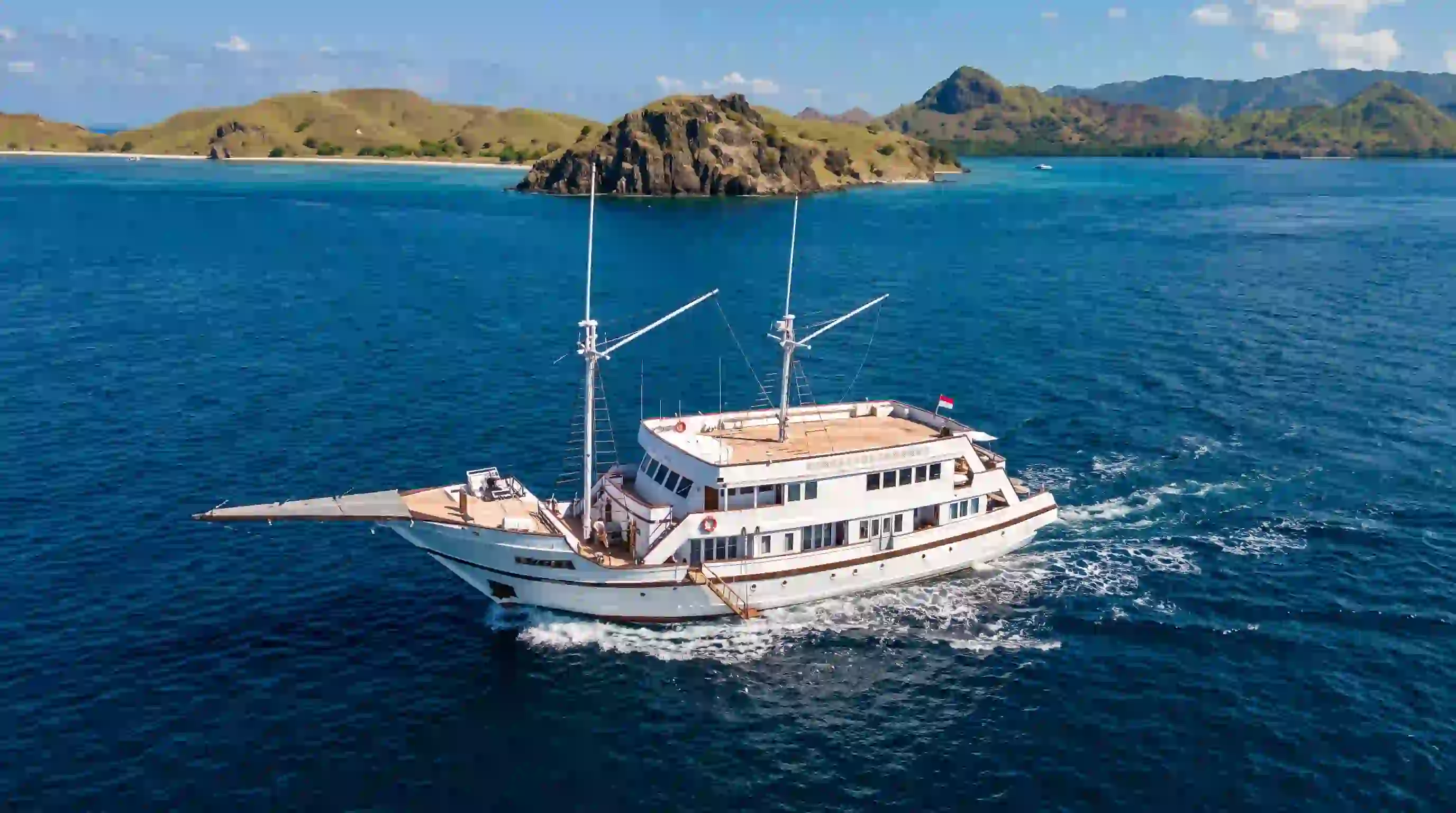
LASHA Raja Ampat: Private Expedition Charters from Sorong
LASHA Raja Ampat expeditions run October through April, departing Sorong...
LASHA Raja Ampat expeditions run October through April, departing Sorong for Wayag, Piaynemo, and Misool aboard a 52.5-metre, ten-cabin luxury...
The Raja Ampat Charter Fleet Worth Flying For in 2027
The Raja Ampat yacht charters most worth flying for in...
The Raja Ampat yacht charters most worth flying for in 2027 are Lamima, with a verified rate of USD 27,000–28,000...
Raja Ampat Honeymoon 2027: The Ultimate Romantic Sailing Guide
Last updated: August 16, 2026 — compiled by the Luxury...
Last updated: August 16, 2026 — compiled by the Luxury Raja Ampat editorial desk, with operational input from crews currently...