
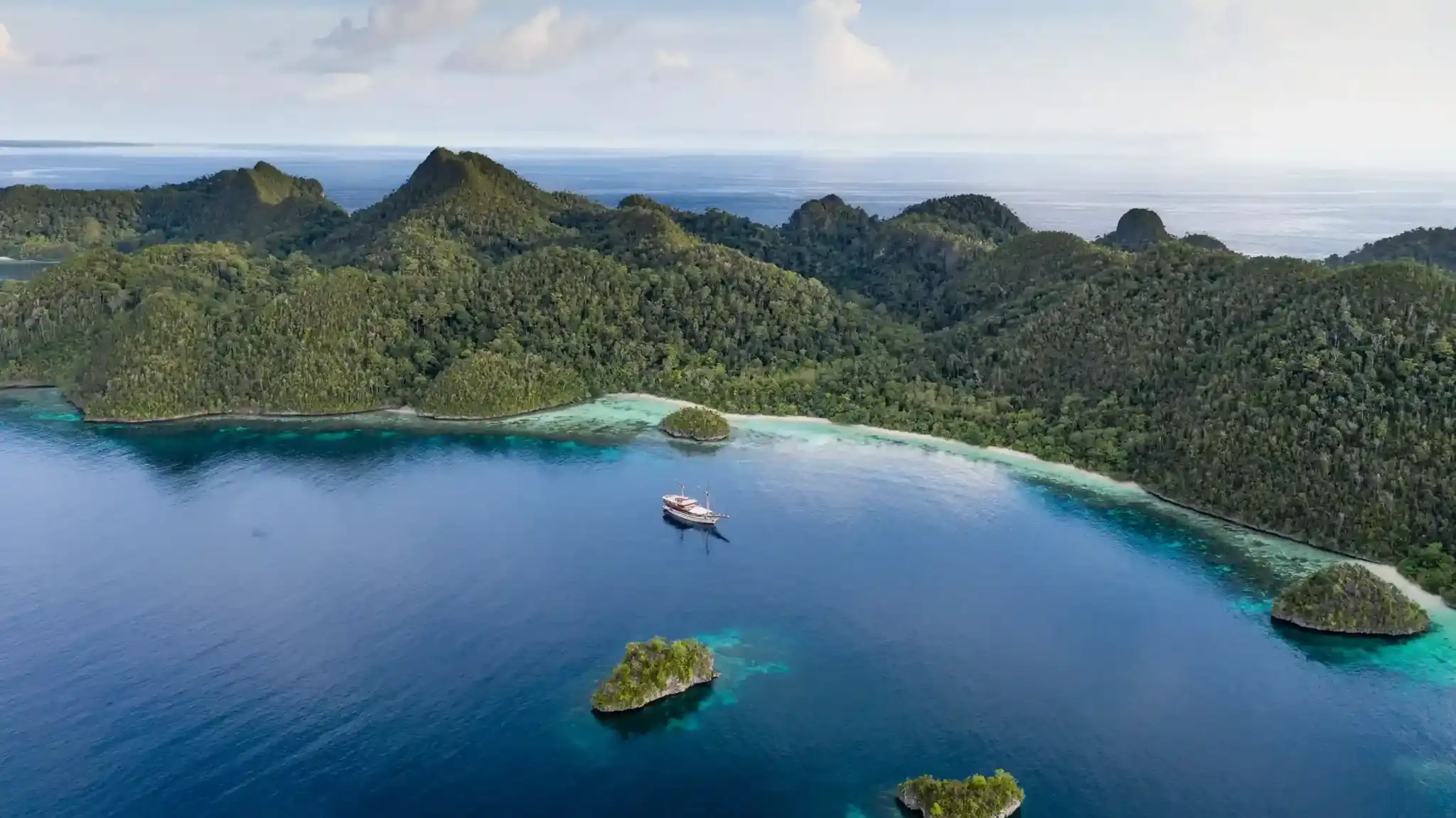
The Photographer's Holy Grail
Underwater Photography
Charter
Wobbegong sharks, pygmy seahorses, manta aggregations, and 1,700 fish species in visibility up to 40 metres. Dedicated camera rinse stations, 4-5 dives per day, and guides who know the exact gorgonian where the pygmy seahorse lives. From $5,500/night.
Not Optional — Mandatory
Why the World's Best UW Photographers Return Every Year
It is not just the biodiversity — though 1,700 fish species and 600 coral species make it the richest photographic canvas on the planet. It is the concentration of extraordinary subjects within a single dive, the theatrical lighting of the Coral Triangle, and species that simply do not exist anywhere else.
Wobbegong sharks draped across coral bommies like living carpets. Pygmy seahorses the size of a grain of rice. Walking sharks that use fins to walk across the reef at night. If you are serious about underwater photography, Raja Ampat is mandatory.
Your Shot List
Signature Subjects
| Subject | Season | Difficulty |
|---|---|---|
| Oceanic Manta Rays | Nov-Apr | Easy — float |
| Wobbegong Sharks | Year-round | Easy — stationary |
| Pygmy Seahorses | Year-round | Advanced — macro |
| Walking Sharks | Year-round | Moderate — patience |
| Barracuda Tornados | Year-round | Easy — wide-angle |
| Soft Coral Gardens | Nov-Apr | Easy — wide-angle |
| Whale Sharks | Year-round | Easy — surface |
| Birds of Paradise | Year-round | Moderate — above water |
Built for Shooters
Photography-Focused Amenities
Onboard Facilities
- Camera rinse tank — fresh water changed between dives
- 220V charging stations with international adapters
- Designated dry area for lens changes and assembly
- Giant stride entry from low platform (no backward roll with housing)
- Compressed air for sensor cleaning
- Climate-controlled cabin for image review
Guide Expertise
- Photographers themselves or trained to support shooters
- Know pygmy seahorse needs 3 minutes of stillness before settling
- Position manta photographers upstream before animals arrive
- Understand light angles — sun at back AM, behind subject PM
- Carry backup lights, know every subject by GPS
- Dedicated tender boats for optimal positioning
The Difference
This operational knowledge is the difference between a week of decent snapshots and a portfolio of publishable images. Our schedule revolves around light conditions and subject behaviour, not convenience. Dawn for mantas. Dusk for cuttlefish. Midnight for walking sharks.
Dawn to Midnight
Sample 7-Day Photography Expedition
Competition Winner Tip
Request the 'pre-dawn manta' session at Blue Magic. Our guides position you on the seamount at 05:30 before other boats arrive. As first light hits the water, mantas begin their approach. 20-30 minutes of exclusive shooting with clean backgrounds and perfect behaviour — this window produces the images that win competitions.
Investment
Photography Charter Pricing
Private Photo Charter
Premium phinisi, 7 nights — 4-5 dives/day, photo guide, rinse station, unlimited nitrox
$38,500–$63,000
whole vessel
Photo Workshop Cruise
7-10 nights with pro photographer — group vessel, instruction, image review, portfolio building
$5,000–$8,000/person
Superyacht Photo Expedition
10 nights — dedicated platform, professional lighting rig, post-production suite
$90,000–$180,000
whole vessel
Shooters Ask
Frequently Asked Questions
Any system works, from compact cameras to full-frame mirrorless rigs. For macro subjects (pygmy seahorses, nudibranchs), a 60mm or 100mm macro lens is essential. For mantas and reef scapes, a wide-angle rectilinear or fisheye behind a dome port delivers the best results. Most serious guests bring two housings — one wide, one macro — and switch between dives.
Typically 4-5 dives per day including dawn and night dives. The schedule is flexible — if a site is producing extraordinary subjects, we extend the dive. If conditions change, we move to a backup site immediately. Photography charters operate on a "follow the opportunity" philosophy rather than a fixed schedule.
Yes, with caveats. You should be a comfortable diver (50+ logged dives recommended) and familiar with your camera system in water. If you are new to underwater photography but an experienced diver, our guides teach fundamentals during the charter. Complete diving beginners should gain certification before a photography-focused trip.
Unlimited nitrox (32% enriched air) is included on all photography charters. Nitrox extends bottom time at photography depths (10-25 metres) and reduces surface interval requirements, allowing more productive shooting time per day. Nitrox certification is required.
Absolutely — this is one of Raja Ampat's greatest strengths. A single day might include wide-angle manta shots at dawn, macro pygmy seahorses mid-morning, and wide-angle soft coral at Misool in the afternoon. Having two housings or a zoom system allows you to cover both. Our guides advise on which lens to bring for each dive.
Build Your Portfolio
Book Your Photography Charter
Tell us your camera system, preferred subjects, and shooting style. We'll design an itinerary that maximizes your portfolio from dawn to midnight.
Plan Your Photo ExpeditionDiving & Snorkeling