
Dampier Strait · Luxury Liveaboard Access
Cape Kri
There is no dive site on the planet with more fish per square metre. We anchor here more often than anywhere else in Raja Ampat, because guests surface with the same stunned expression whether they have logged fifty dives or five thousand.
Recorded in 2012 by marine biologist Dr Gerald Allen — a number that has never been matched anywhere on Earth, including the Great Barrier Reef, the Red Sea and every other celebrated site in the Coral Triangle.
5–40 m
Depth range
20–35 m
Visibility
28–30°C
Water temperature
6
Entry points our guides use
Top of the Reef to the Base of the Wall
What You Meet, and at What Depth
The reef slopes rather than drops, so a single dive can cover every band below. Tidal current pushes nutrient-rich water across the slope — that current is the engine behind all of it.
Reef top
Accessible to snorkellers, and the coral coverage and fish density up here beat most dive sites elsewhere in the world outright.
Hard coral garden
Eighty to ninety per cent hard coral coverage — pristine staghorn, table and brain corals under clouds of anthias, damselfish and butterflyfish. Humphead parrotfish cruise through in groups of eight to fifteen, each the size of a small refrigerator.
The ridge
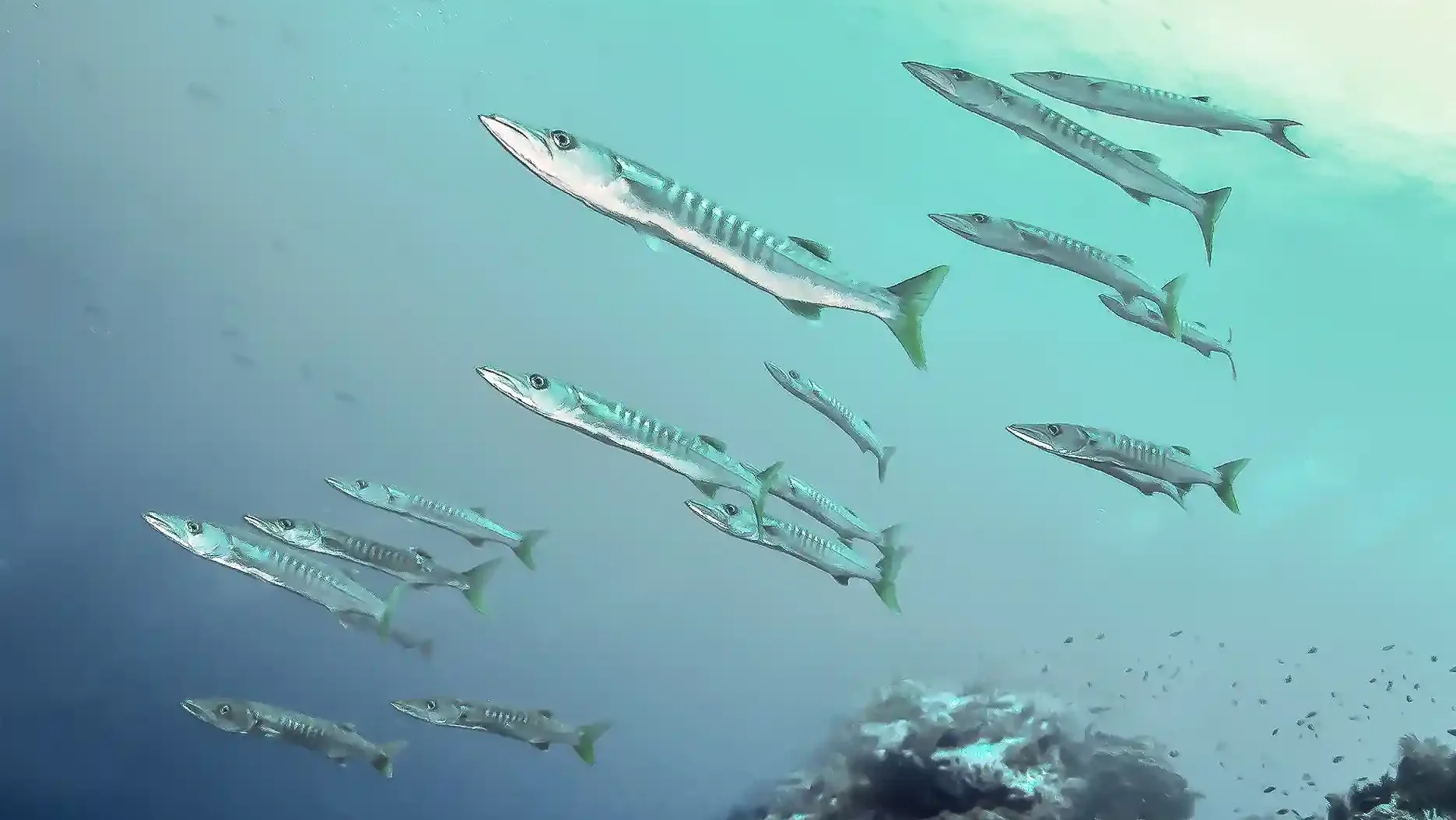
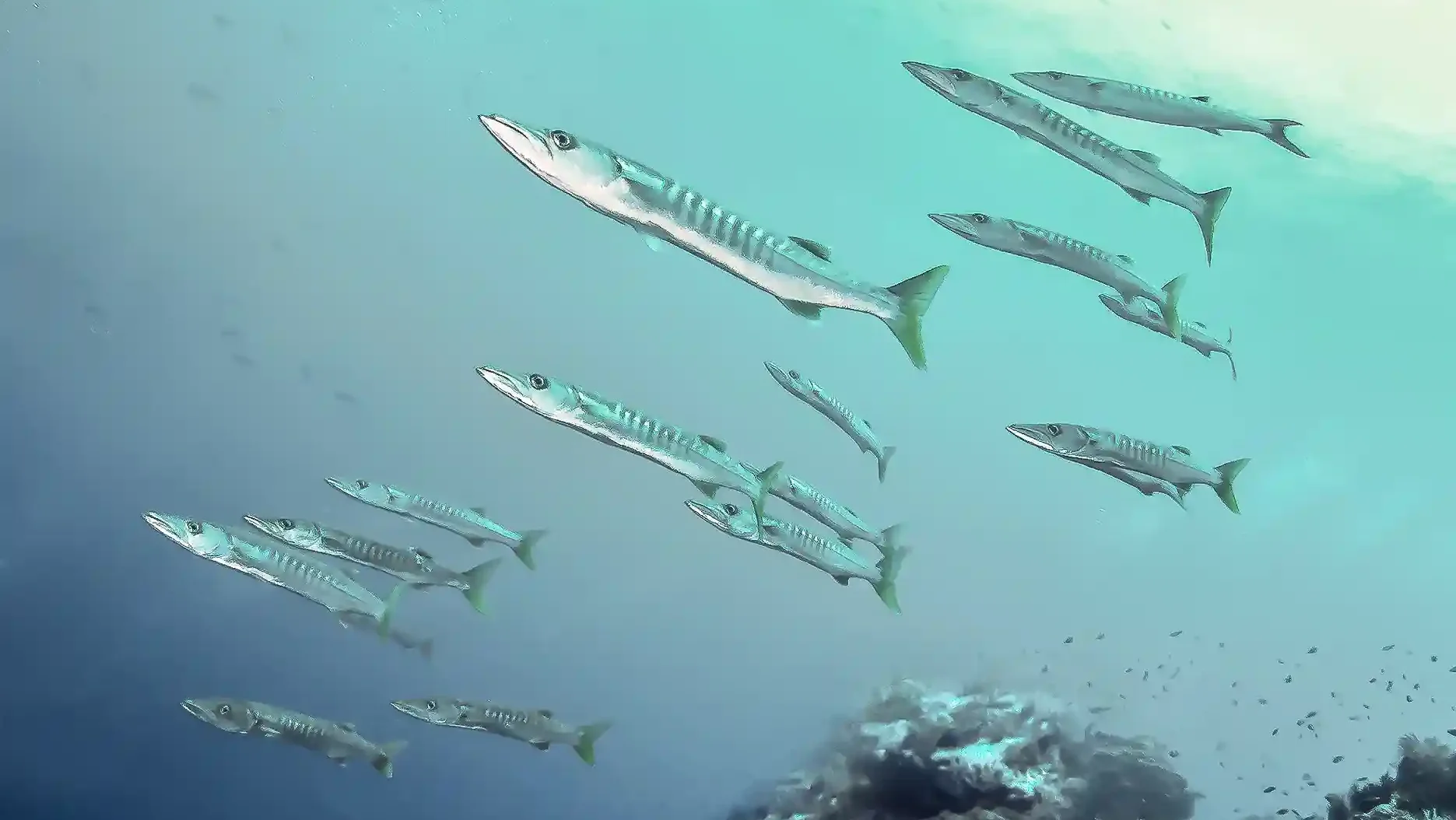
Schools of giant trevally, fifty to two hundred strong, hunting along the ridge line. Barracuda form tornadoes out in the blue off the wall.
Deep slope
Blacktip and whitetip reef sharks patrol the deeper sections. Turtles are so common here they barely merit mentioning — three to five per dive without looking.
During manta season, roughly November to April, oceanic mantas occasionally cruise through the Strait — which turns a great dive into an unforgettable one.
The Two and a Half Hours That Matter
Why 06:00 Is a
Different Dive Site
Cape Kri is the most visited site in Raja Ampat. By mid-morning four to eight day-trip boats crowd the mooring. The fish do not disappear, but the experience does: bubble streams from other groups, engine noise overhead, and the constant awareness of other divers.
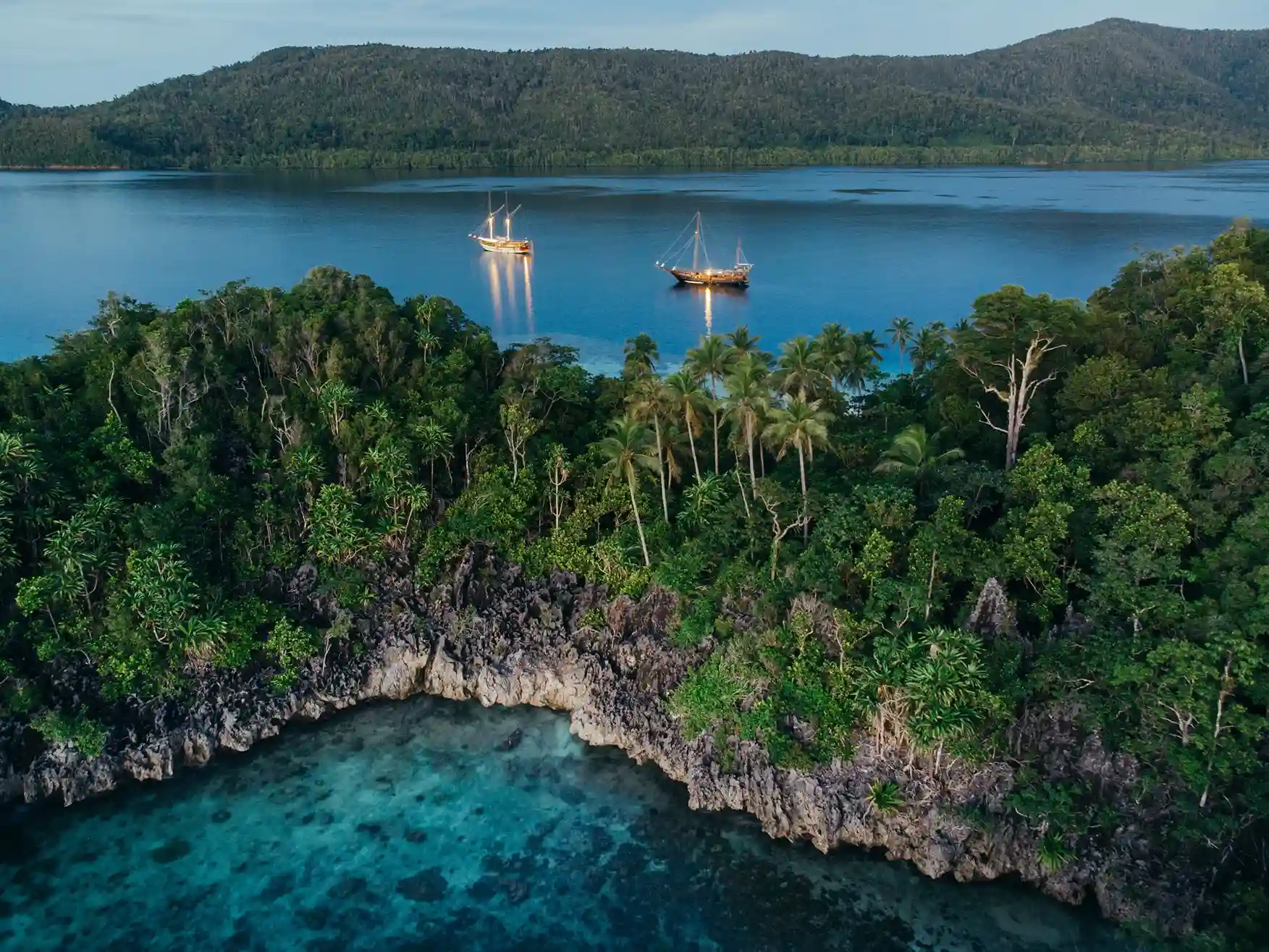
Your vessel anchors at Kri overnight. You kit up in silence, roll off the tender at first light, and descend into a reef that belongs entirely to your group. It is the difference between a private gallery viewing and a packed museum on a Sunday.
06:00
Liveaboard guests enter
Empty site, peak school density, best light angle for photography.
08:30
Day boats arrive
Speedboats from Sorong and Waisai reach the mooring. Four to eight boats by mid-morning.
Plan Against These
Dive Conditions
On a 7-Night Charter
How We Dive It
01
Dawn dive
First light, peak fish action, and the site to yourselves. This is the one nobody skips.
02
Mid-morning
A different current direction opens different sections of reef — effectively a second site.
03
Sunset dive
Run when conditions allow. The light drops fast and the predators become noticeably more active.
The reef is large enough that each dive covers different terrain. Our guides work six distinct entry points, chosen on the morning by current direction and whatever has been sighted that week.
Snorkellers Are Not Second-Class Here
The reef top at three to five metres is fully accessible from the surface, and the coral coverage and fish density up there are better than most dive sites elsewhere in the world.
Our guides take snorkellers to the sheltered western side on an incoming current, where visibility is excellent and reef sharks are regularly visible from above. It is one of the few sites where a snorkeller can honestly say they saw almost everything the divers saw — from a different angle.
Divers Ask
Frequently Asked Questions
Is Cape Kri suitable for beginners?
The shallow sections between five and fifteen metres are fine for Open Water divers when the current is mild. Strong-current days suit Advanced divers. Our guides assess conditions each morning and give you a straight answer rather than a hopeful one.
What camera setup works best?
Wide angle — a 10–17mm fisheye on a crop sensor or 8–15mm on full frame — for the fish schools and reef scenics. The site is too busy with movement for macro; save the macro lens for the Misool walls and night dives.
How strong does the current actually get?
Moderate to strong, and it is a drift dive rather than a swim. That current is the reason the site works, so we plan entries around the tidal exchange instead of fighting it.
Will we really see sharks?
Blacktips and whitetips patrol the deeper sections routinely. They are not aggressive and generally keep their distance. Turtles are close to guaranteed — three to five per dive is normal.
Only Liveaboard Guests Get 06:00
Dive Cape Kri at First Light
Tell us your certification and logged dives. We will tell you which entry point suits you and which morning of the charter to expect it.
Plan Your CharterContinue Exploring