TripAdvisor 4× Winner (sister brand) 800+ Voyages Since 2015 45+ Countries Served Forbes Council CEO 24-Hour Quote Response

The World’s Richest Reef Zone

Dampier Strait
Dive Tour

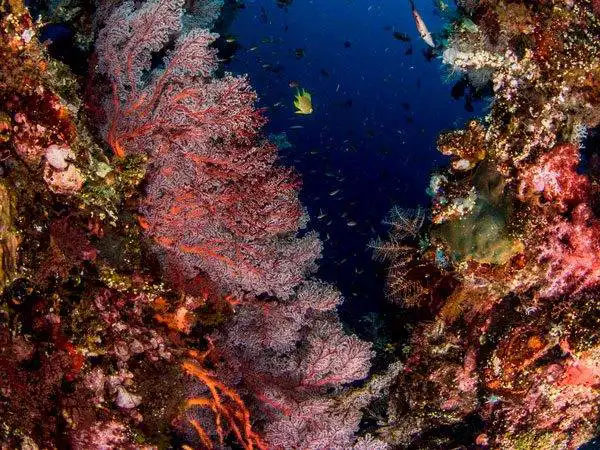
Deep ocean trenches meet shallow continental shelves and force cold, mineral-dense water upward. That upwelling feeds phytoplankton, which feeds zooplankton, which draws fish in biblical density. A single dive at Cape Kri shows 100+ species in 40 minutes.

Raja Ampat Dampier Strait Luxury Dive Tour 2026 — The World’s Richest Reef Zone

3–4 hrs

From Sorong harbour

4,200+

Dives logged since 2014

5

Pinnacle sites

26–29°C

Water temperature

Why the Density Exists

The Strait lies three to four hours from Sorong harbour — accessible to luxury yachts, yet remote enough to avoid the crowding that affects sites further south. Our fleet has logged more than 4,200 dives in Dampier waters since 2014, and the resulting database tracks seasonal species behaviour, current patterns and site conditions month by month. That data plots every itinerary.

This guide profiles five essential sites with honest skill assessments and monthly forecasts. We do not oversell visibility, and we do not describe a slack-current site as beginner-friendly when the truth is advanced only.

Site Dossiers

The Five Pinnacle Sites

01

Cape Kri

The apex predator theatre
Advanced only
Cape Kri

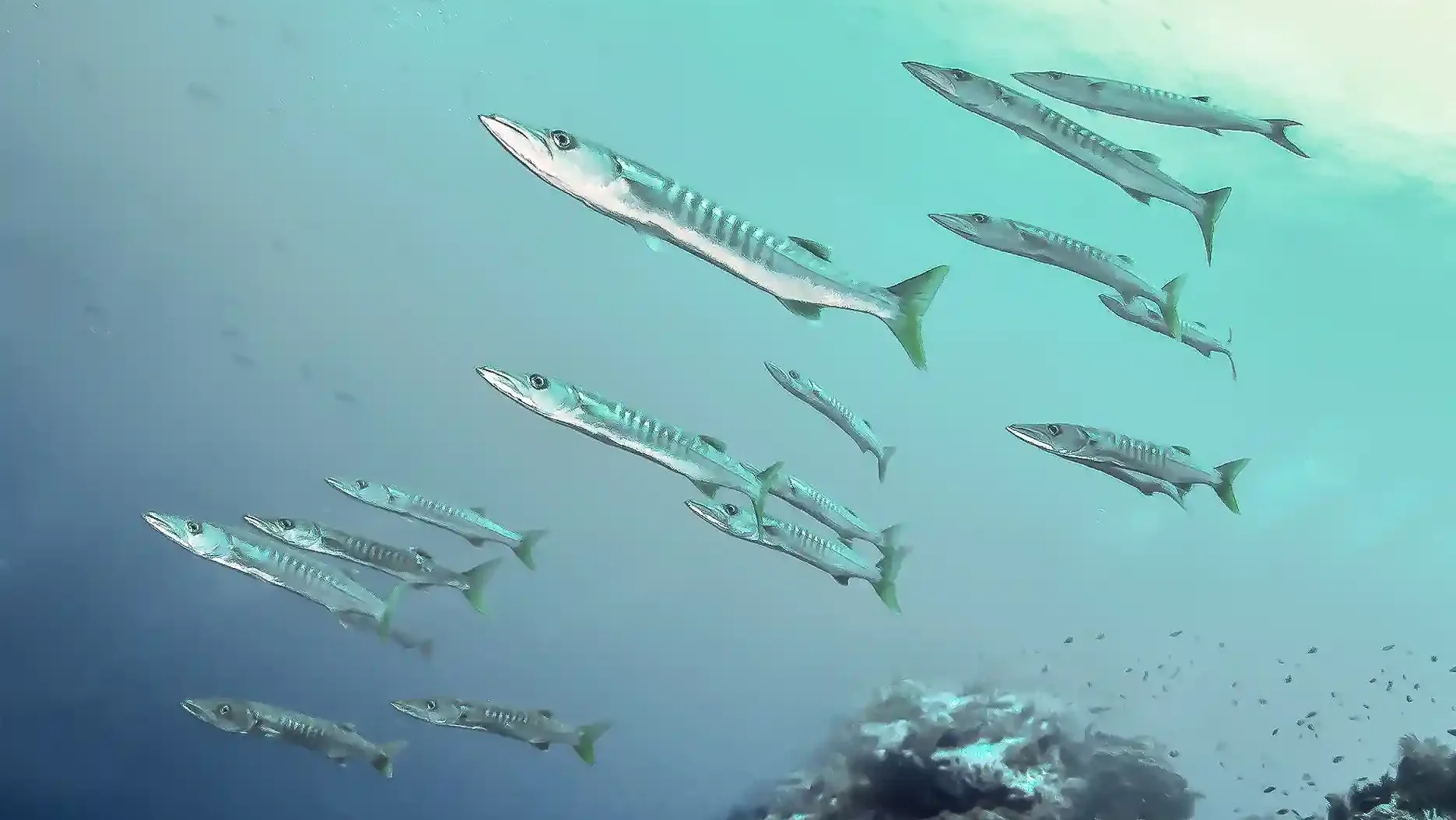
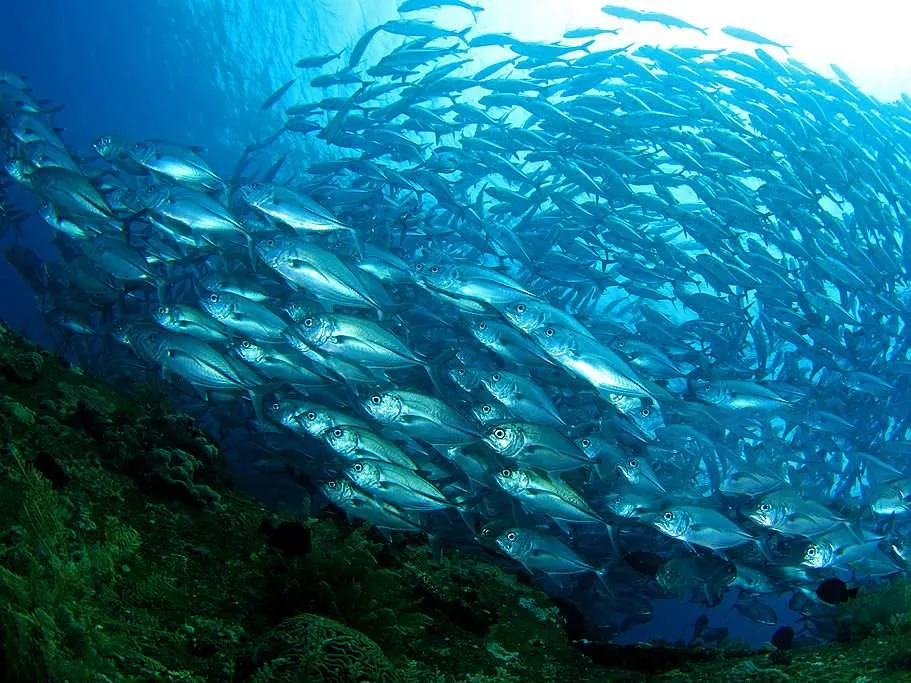
The site that launched Raja Ampat’s global reputation. Descend into strong current and you are immediately flanked by barracuda; the descent hits massive snapper schools at 20 metres, jacks spiralling at 25, then a wall dropping past 40 where grey and blacktip sharks patrol. The cape sits at a topographic convergence where the Dampier plume meets the Mak channel current — both force water upward, concentrating prey. Predators follow. It is physics producing drama.

Depth

8–40 m

Current

Strong · 1–2 kt

Vis

20–35 m

Bottom

35–40 min max

Best

September – November

Safety

This is not a site on which to learn current diving. Current is strong and can reverse mid-dive; descent must be rapid and controlled. If you have never done a heavy-current dive, wait until you have logged 30+ dives including several genuine current dives elsewhere. We would rather lose the booking than put you on this wall unprepared.

Site Detail
02

Blue Magic

The school spectacle

Intermediate+ · 50+ dives
Blue Magic

Cape Kri intensity with more forgiving current. A bommie surrounded by sand and scattered rock between 10 and 30 metres, with jacks, barracuda and trevally swirling around you — and a macro reputation that rivals Lembeh. Blue rings, Spanish dancers and nudibranch counts of a dozen species per dive are routine. This is the sweet-spot site: substantial enough to feel serious, manageable for a fit intermediate diver with good buoyancy.

Depth

10–30 m

Current

Moderate–Strong · 0.5–1.5 kt

Vis

20–30 m

Bottom

45–50 min

Best

October – November, April – May

Site Detail
03

Sardine Reef

Beginner-friendly power

Beginner–Intermediate
Sardine Reef

The name is accurate: sardine balls compressed by predators into blizzard-tight formations. A gentle slope from 12 down to 25 metres with negligible current most months, which makes it ideal for recently certified divers. A thermocline sits around 22–24 metres — passing through it shimmers visually and feels three to four degrees cooler. That boundary concentrates plankton, which is what holds the sardines.

Depth

12–25 m

Current

Variable · 0–1 kt

Vis

12–20 m

Bottom

Up to 60 min

Best

April – September

Site Detail
04

Manta Sandy

The ray cleaning station

Intermediate
Manta Sandy

A sloping sand bottom between 15 and 35 metres where manta rays queue for cleaning — small fish stripping parasites from gill slits and skin. At peak, expect three to eight mantas per dive. The experience is hypnotic: a four-metre ray hovering two metres away, completely indifferent to you. The magic here is megafauna behaviour rather than reef topography. Arrive before 06:45 — mantas are most active early, and by midday they disperse.

Depth

15–35 m

Current

Moderate · 0.5–1 kt

Vis

20–28 m

Bottom

45–50 min

Best

October – December

Site Detail
05

Batu Dua

Twin Rocks · the accessible workhorse

Beginner–Advanced
Batu Dua

Two limestone pinnacles rising from 30 metres to 6. This is the site you return to when conditions close the options elsewhere. Slack to moderate current, robust reef life, grouper aggregations in February and March, schooling fusiliers and parrotfish flocks. Multiple depth options mean a group can split: shallow coral garden for day-one divers, deep wall base for the experienced. Everyone surfaces happy.

Depth

6–30 m

Current

Slack–Moderate · 0–0.8 kt

Vis

18–25 m

Bottom

Up to 60 min

Best

Year-round

Month by Month

Dampier Strait Dive Conditions

Month Visibility Temp Current Weather Best Sites
March 18–25 m 27–28°C Variable Wet, afternoon rain Batu Dua, Sardine Reef
April – May Peak 20–28 m 28–29°C Moderate Calm mornings All sites
June – August 15–20 m 27–28°C Light Monsoon wind PM Sardine Reef, Manta Sandy
September 22–30 m 28–29°C Strong Clear, hot Cape Kri, Blue Magic
October – November Peak 24–32 m 28–29°C Strong–Moderate Ideal overall All sites
December 20–26 m 28–29°C Variable Calm, warm Manta Sandy, Batu Dua
January – February 18–24 m 27–28°C Strong Variable swell Sardine Reef, Blue Magic

Getting There, Diving It

Logistics & Day Structure

01

Approach

Three and a half to four hours by yacht from Sorong harbour to Cape Kri or Blue Magic; two to two and a half from Waisai on Waigeo. Most liveaboards base overnight at Piaynemo or Kawe and rotate Dampier dives daily, which minimises sailing and maximises water time.

02

Daily Rhythm

Three dives is typical: 06:30 breakfast, 07:00 first dive surfacing by 08:15, second dive at 09:30, third at 15:30. Plenty of guests skip the third for rest and camera maintenance — nobody is counted.

03

Guide Ratios

Two divemasters per boat with a maximum of twelve divers, split by skill level. The advanced group takes Cape Kri while beginner and intermediate divers work Sardine Reef or Batu Dua. That split is a safety decision, not a scheduling one.

04

Depth Policy

Cape Kri’s wall extends past 50 metres. We cap recreational dives at 40 metres, on nitrox for the deeper profiles. Raja Ampat is not a technical diving destination — if decompression diving is your goal, this is the wrong archipelago.

Sample Route

7-Night Dampier Strait Itinerary

Days 1–2

Base at Kawe to acclimatise. One dive at Manta Sandy, plus a night dive.

Days 3–4

Rotate the Dampier sites — a mix of Blue Magic and Cape Kri, split by group skill.

Day 5

Move to Piaynemo. Sardine Reef in the morning, Batu Dua in the afternoon.

Day 6

Full Dampier day: two dives of your choosing plus a night dive if conditions allow.

Day 7

Return cruise to Sorong, with a final morning dive en route if the timing works.

7 Nights, Double Occupancy

Pricing & Booking

Per person — shared vessel

7 nights, double occupancy

$5,200–$7,200

Private charter — full yacht

12–16 guests, 7 nights

$36,000–$48,000

Deposit

per person, balance due 30 days out

$1,500

Included: yacht accommodation, all meals, unlimited air fills, nitrox, two divemasters and site expertise. Not included: flights to Sorong, visa, marine park fees and insurance. We confirm current conditions, seasonal species activity and site logistics ten days before arrival.

Straight Answers

Frequently Asked Questions

Yes, but on specific sites only. Sardine Reef and Batu Dua suit beginners. Cape Kri and the harder Blue Magic profiles do not. We assign sites based on your certification and logged dives rather than on what you would prefer to hear.

Typically three: first dive at 07:00, second at 09:30, third at 15:30, plus an optional night dive. Many guests skip the third dive for rest or camera work.

Cape Kri’s wall extends beyond 50 metres, but we limit recreational dives to 40 metres, using nitrox for deeper profiles. There are no decompression-obligation sites in the itinerary.

The sharks here are blacktips, grey reef sharks and the occasional wobbegong — all non-aggressive, and they generally leave when divers arrive. We have recorded no shark incidents across more than 4,200 dives in these waters.

The crossing from Sorong takes three hours or more and can be rough in monsoon season. We carry motion sickness patches and ginger, and there is no pressure to dive on day one — diving begins properly on day two.

2026 Bookings Open

Reserve Your Yacht & 2026 Dates

Send us your certification level, logged dives and preferred window. We will tell you honestly which of the five sites you should be diving — and which you should build up to.

Check 2026 Availability