
Triton Bay and Kaimana: The Quiet Extension After Raja Ampat

Luxury Raja Ampat Editorial Desk
August 9, 2026
5 min read
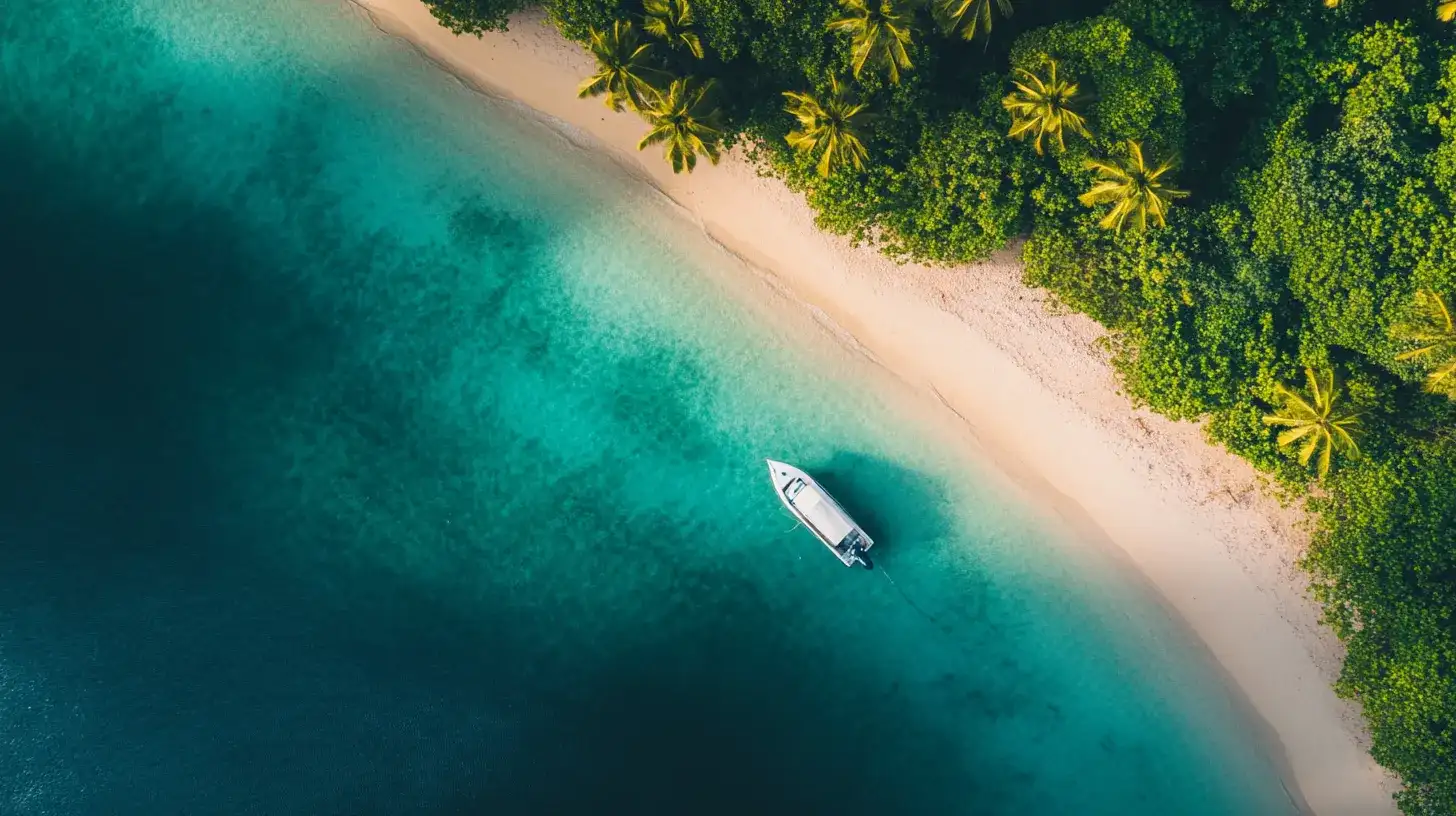
Ask a hundred travelers to point to Raja Ampat on a map and most will land close enough. Ask them to find Triton Bay and you will get blank looks — which is precisely why the divers who do make it to Kaimana talk about it the way people talked about Raja Ampat twenty years ago.
Where Triton Bay Sits, and Why It Stayed Quiet
Triton Bay lies along the Kaimana coast of West Papua, south-east of the Bird’s Head Peninsula that holds Raja Ampat. It shares the same coral-triangle biology — the reef surveys that made the Bird’s Head famous extended right through these waters — but not the same infrastructure. There is no Sorong-style gateway hub, flight schedules into Kaimana are thin, and only a handful of vessels work the area in any given month. The result is a region where you can dive a world-class site and see no other boat all day. The quiet is not a marketing line; it is a consequence of logistics.
The Whale Sharks of Kaimana’s Bagans
Triton Bay’s signature encounter happens at the bagans — the stilted fishing platforms whose lift nets concentrate baitfish. Whale sharks patrol these platforms to siphon the overflow, and with the fishermen’s cooperation, divers and snorkelers can share the water with them in the calm of early morning. The aggregation is most reliable from roughly October through April, though sightings occur year-round. Etiquette matters here more than anywhere: no touching, no flash barrages, no crowding the animal against the net, and a fair arrangement with the bagan crews whose platforms make the encounter possible. Operators who shortcut that relationship degrade the very thing guests came for.
Soft Coral Walls Unlike the Dampier Strait
Below the surface, Triton Bay reads differently from northern Raja Ampat. Nutrient-rich water keeps visibility moderate — ten to twenty meters on most days — but feeds soft coral growth so dense that entire walls disappear under it. Sites like Little Komodo carry gardens of black coral and cathedral-scale bommies in fifteen meters of water, with the low light giving colors a saturated, dusk-like quality photographers either fight or fall in love with. It is a different aesthetic from the blue-water fish storms of the Dampier Strait, and that contrast is exactly what makes the extension worth flying for.
Routing It Realistically
There are two sensible ways in. The first is a dedicated Kaimana trip: fly Jakarta or Makassar to Kaimana via Ambon or Sorong, board there, and spend your whole week in the bay system. The second treats Triton Bay as the second act of a Raja Ampat expedition: a liveaboard repositioning route that departs the Misool area and works south-east along the coast, typically adding two sailing days. For travelers already committed to the long journey east, the extension converts one long trip into two distinct regions. Short hops within the region — harbor transfers, bagan runs, crossings to trailheads — ride on fast tenders, the same class of speedboat options for Raja Ampat crossings that our sister company operates in the north.
How Many Nights Make the Extension Worth It
Our honest floor is four nights in the bay itself — enough for two bagan mornings, the Little Komodo circuit, and one exploratory day — on top of whatever your Raja Ampat leg runs. Seven nights dedicated to Kaimana rewards photographers who want repeat encounters in changing light. Anything under four nights spends more time repositioning than diving, and the extension loses its point.
Conditions, Gear, and the Land Side of Kaimana
Set expectations correctly and Triton Bay delivers; import Dampier Strait expectations and you will misread it. The water is warm — 28–30°C most of the year — but the plankton that feeds the soft coral keeps visibility moderate, so bring a bright focus light and treat every dive as a color dive rather than a blue-water dive. Currents inside the bay system are gentler than Raja Ampat’s channels, which makes the region friendlier to less experienced divers than its remoteness suggests. Photographers should pack for wide-angle-close-focus work: the walls reward proximity, not distance.
Above the waterline, the Kaimana coast holds a detail almost nobody expects: ochre rock paintings — hands, fish, sun motifs — on the limestone cliffs above the water, part of a rock-art band that runs along this coastline and predates every itinerary ever written for it. A tender run beneath the painted cliffs at golden hour, followed by grilled fish on deck in a bay with no other lights, is the sort of evening that explains why crews who work this coast ask to come back to it.
Booking the Quiet Coast
Because so few vessels work these waters, cabins are committed months ahead for the October-to-April window, and itineraries are best built around the moon phases that favor bagan activity. For a structured version of this route — vessel, permits, bagan arrangements, and the Kaimana flight puzzle handled as one plan — the Triton Bay–Kaimana tour package from Komodo Luxury covers the full chain with USD-quoted pricing. Charter logistics referenced here are operated by our sister company Komodo Luxury (Juara Holding Group), whose owned-fleet-plus-vetted-partners model — nine vessels of its own, more than two hundred partners under review — is what makes a region this remote bookable with confidence.
Raja Ampat will always be the headline of West Papua. But the travelers who add the quiet coast come home with a different kind of story — the kind from before the crowds knew where to point on the map.
From the Juara Holding Group family: Raja Ampat yacht charters and private sailing trips. See also this first-hand update.
From the Juara Holding Group family: Komodo boat charter specialists.
Related Article

How Much Does Raja Ampat Really Cost? Full 2027 Budget Breakdown
Raja Ampat costs roughly USD 1,200–1,800 per person for a...
Raja Ampat costs roughly USD 1,200–1,800 per person for a 7-day homestay trip, USD 3,500–7,000 for a resort or standard...
Best Time to Visit Raja Ampat: A Month-by-Month Diving Guide
The best time to visit Raja Ampat is October through...
The best time to visit Raja Ampat is October through April, when calm seas deliver 20-30 metre visibility and manta...
Embark on New Raja Ampat Luxury Trips: Unforgettable Indonesian Adventures
New Raja Ampat Luxury Trips for 2026-2027 Luxury Raja Ampat...
New Raja Ampat Luxury Trips for 2026-2027 Luxury Raja Ampat operates an expanding portfolio of curated yacht charter trips through...