
Best Time to Visit Raja Ampat: A Month-by-Month Diving Guide

Luxury Raja Ampat Editorial Desk
July 14, 2026
5 min read
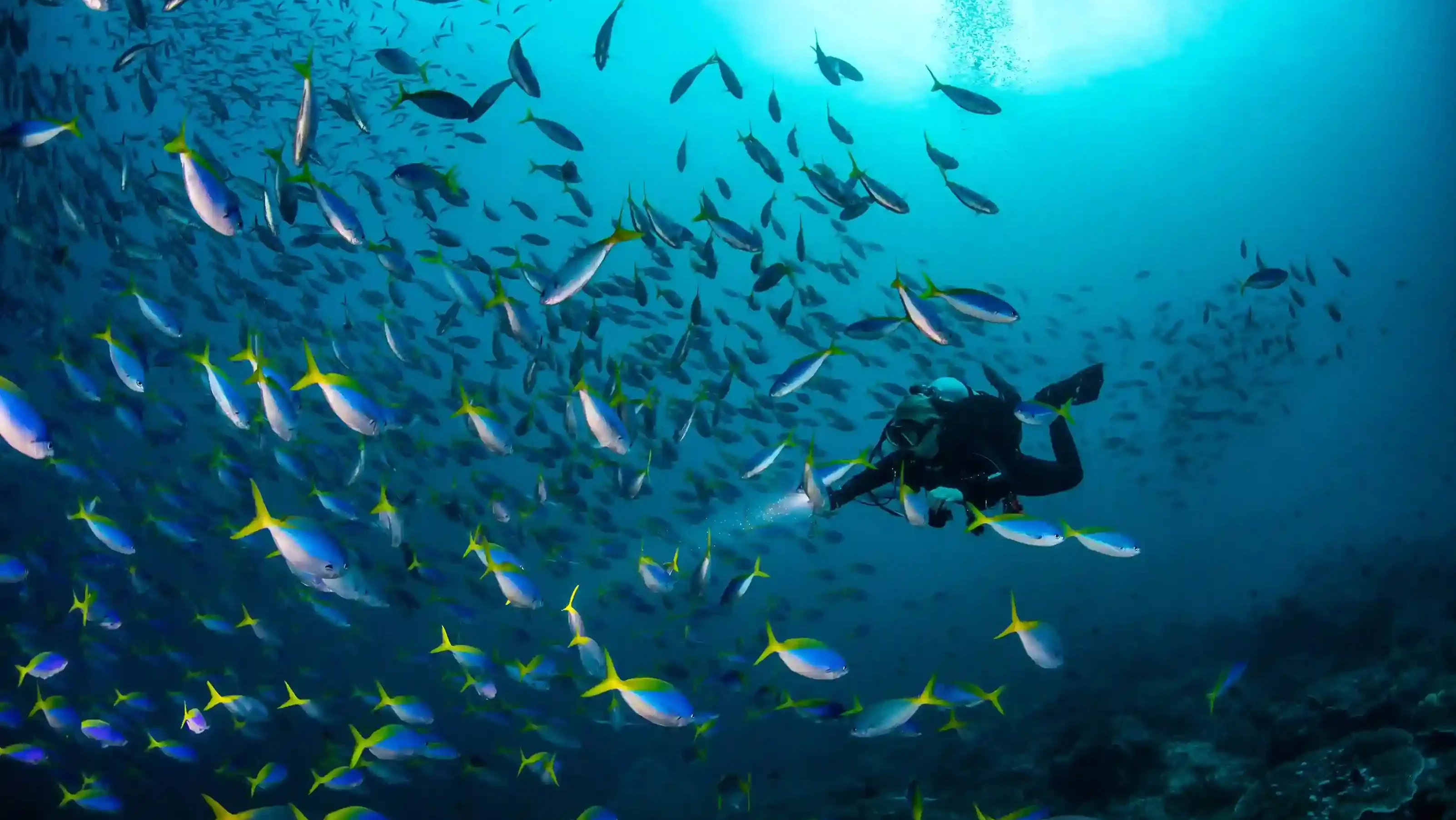
The best time to visit Raja Ampat is October through April, when calm seas deliver 20-30 metre visibility and manta rays gather at cleaning stations like Manta Sandy and Manta Ridge. December to February is the peak, and February is widely regarded as the single strongest month for both manta numbers and wide-angle photography.
Raja Ampat sits at the heart of the Coral Triangle, off the western tip of West Papua, and it holds more recorded reef-fish and coral species than anywhere else on Earth. But the archipelago is a seasonal place. Get the timing right and you drift over cleaning stations with a dozen mantas circling overhead in gin-clear water. Get it wrong and you fight wind, rain, and plankton-thick 10-metre visibility. This month-by-month guide is built to help you choose your window, then lock a yacht before the good cabins vanish.
Raja Ampat’s Two Seasons at a Glance
The archipelago runs on two broad rhythms. The prime dive season is October to April: calmer seas, warm 29 degrees Celsius water, mild currents, and visibility that regularly hits 20-30 metres or more. This is when the liveaboard fleet runs at full strength and when manta activity peaks. The off-peak season is May to September, when the southeast monsoon pushes rougher seas, more rain, and reduced visibility, often dropping to 10-20 metres. Many liveaboards scale back or pause entirely through the wettest months.
| Month | Visibility | Manta Activity | Verdict |
|---|---|---|---|
| January | 20-30 m | Prime | Excellent |
| February | 25-30+ m | Peak (best) | Best overall |
| March | 20-30 m | Peak | Excellent, fewer crowds |
| April | 15-25 m | Winding down | Very good, quieter |
| May | 15-20 m | Variable | Transitional |
| June-August | 10-20 m | Off-peak | Weather risk |
| September | 15-20 m | Improving | Early season |
| October-December | 20-30 m | Ramping to peak | Excellent |
Month-by-Month Diving Guide for 2026
January: Classic Raja Ampat
Visibility settles into a reliable 20-30 metres across central sites and Misool. This is a prime manta month, and eight to fifteen reef mantas at a single cleaning session at Manta Sandy is common. Calm seas, warm water around 29 degrees, and mild currents make January the definitive Raja Ampat experience with the full range of sites open.
February: The Single Best Month
If you want maximum mantas plus top-tier visibility for wide-angle photography, February is your strongest bet. Many operators call this peak visibility in Misool and the Dampier Strait, often 25-30 metres and beyond. Manta cleaning-station action at Manta Sandy and Manta Ridge reaches its yearly high. Because it is the most sought-after window, February cabins on the best yachts book out first, frequently six to twelve months ahead.
March: Peak Conditions, Thinner Crowds
March holds onto peak season: visibility stays superb at 20-30 metres, manta numbers remain high through early and mid-month, and the seas are calm. The advantage over December to February is slightly fewer boats, so if you want peak encounters without the busiest crossings, March 2026 is a smart, underrated choice.
April: The Quiet Sweet Spot
Visibility trends down a touch to 15-25 metres but remains strong for most diving. Manta season is winding down yet still very good, usually running through late April. With warmer 30-degree water and noticeably fewer boats, April suits travellers who prefer space and privacy over guaranteed maximum numbers.
May to September: Off-Peak Reality
May is transitional, with 15-20 metre visibility and more variable weather. From June through August, the southeast monsoon brings choppier seas, more rain, and visibility that can sit at 10-20 metres or lower during plankton blooms. Mantas are present year-round but far less predictable, and many liveaboards do not operate. September marks the turn back toward calm, with visibility improving to 15-20 metres and early-season manta potential returning. If your priority is visibility and mantas, avoid the deep off-season.
When to Book Your Raja Ampat Trip
Timing your booking matters as much as timing your dive week. Raja Ampat is remote, the yacht fleet is finite, and the prime October-to-April cabins are claimed early. Our own charter guests book a median of roughly 143 days ahead for a private yacht, and open-trip cabins around 89 days out. For a February or December departure, we strongly advise reserving six to twelve months in advance. A 50 percent deposit secures your cabin, with the balance due 14 days before departure.
Getting There and Park Fees
You fly to Sorong (airport code SOQ), typically via Jakarta or Makassar, then transfer to your yacht or to Waisai. Every visitor needs the Raja Ampat marine-park entry permit, which for foreign guests is IDR 700,000 per person (plus an IDR 300,000 regency visitor ticket). Budget for it in your planning, as it funds the conservation work that keeps these reefs among the healthiest on the planet.
Open Trip or Private Charter?
Open-trip cabins are sold per cabin, usually for two guests, with tiers running from around IDR 3.55 million for a shared-bed cabin up to IDR 12.5 million for premium cabins. A private charter puts the whole vessel and crew at your disposal, ranging from roughly IDR 52 million for a short program up to IDR 280 million for a luxury multi-night expedition, with superyacht options priced in US dollars from 4,500 to 9,000 and up per night. Most of our guests arrive from Western Europe and settle in Indonesian Rupiah via Wise, Revolut, or PayPal. For a full look at vessels and pricing, see our Raja Ampat private yacht charter 2026 guide.
Our Recommendation
For a first Raja Ampat trip, target November to March and, if you can, February. You get the calmest seas, the clearest water, and the fullest manta schools of the year. If you value quiet water and value pricing over sheer numbers, April and October are excellent shoulder-season alternatives. Whichever window you choose, the season opens fast. Read our Raja Ampat season opening in October briefing to catch the earliest prime dates before they fill.
Ready to lock your window? Message our team on WhatsApp with your preferred month and group size, and we will hold a cabin or yacht for you with a 50 percent deposit, balance due just 14 days before you sail. The best February and December cabins are already moving for 2026, so reach out today and let us arrange the Raja Ampat expedition you have been picturing.
Related Article

Triton Bay and Kaimana: The Quiet Extension After Raja Ampat
Ask a hundred travelers to point to Raja Ampat on...
Ask a hundred travelers to point to Raja Ampat on a map and most will land close enough. Ask them...

How Much Does Raja Ampat Really Cost? Full 2027 Budget Breakdown
Raja Ampat costs roughly USD 1,200–1,800 per person for a...
Raja Ampat costs roughly USD 1,200–1,800 per person for a 7-day homestay trip, USD 3,500–7,000 for a resort or standard...
Embark on New Raja Ampat Luxury Trips: Unforgettable Indonesian Adventures
New Raja Ampat Luxury Trips for 2026-2027 Luxury Raja Ampat...
New Raja Ampat Luxury Trips for 2026-2027 Luxury Raja Ampat operates an expanding portfolio of curated yacht charter trips through...