
A Long Read
Visiting Raja Ampat
Is a Conservation Act
Every dollar spent on a luxury charter here funds patrol boats fighting illegal fishing and reef restoration across 40,000 square kilometres of ocean. We are not an aggregator selling conservation as marketing — we are the operator funding it.
The Paradox Nobody Advertises
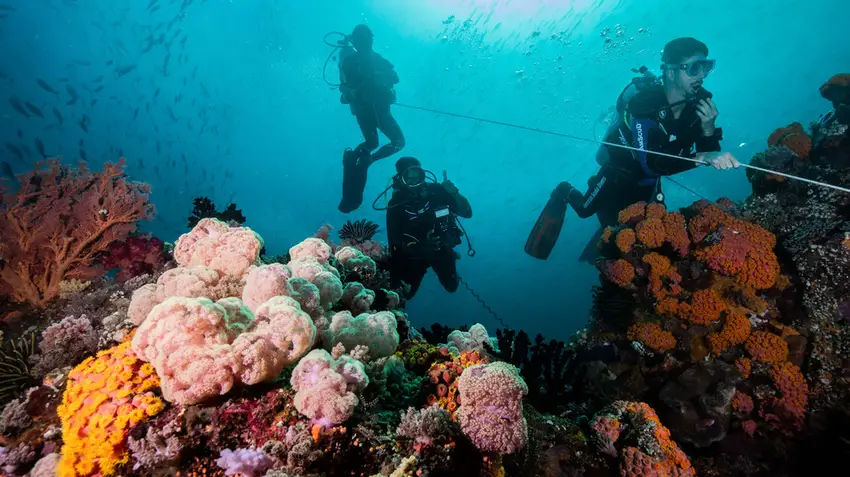
Raja Ampat faces a contradiction that most travel websites will never mention. The same reefs that earned UNESCO Biosphere Reserve status sit directly above nickel deposits that mining companies have pursued for years. The same waters where manta rays queue at cleaning stations are patrolled by ranger boats funded almost entirely by tourism revenue. The same Papuan communities that guide visitors through ancestral forests are choosing between mining royalties and tourism livelihoods.
When you book a charter here you are not only buying a holiday. You are casting a vote, with real money, for conservation over extraction. Every charter generates marine park permit fees, crew wages for local families, conservation fund contributions, and economic proof that living reefs are worth more than dead ones.
This is the literal economic calculation that determines whether Raja Ampat remains the marine biodiversity capital of the world.
The Nickel Mining Threat
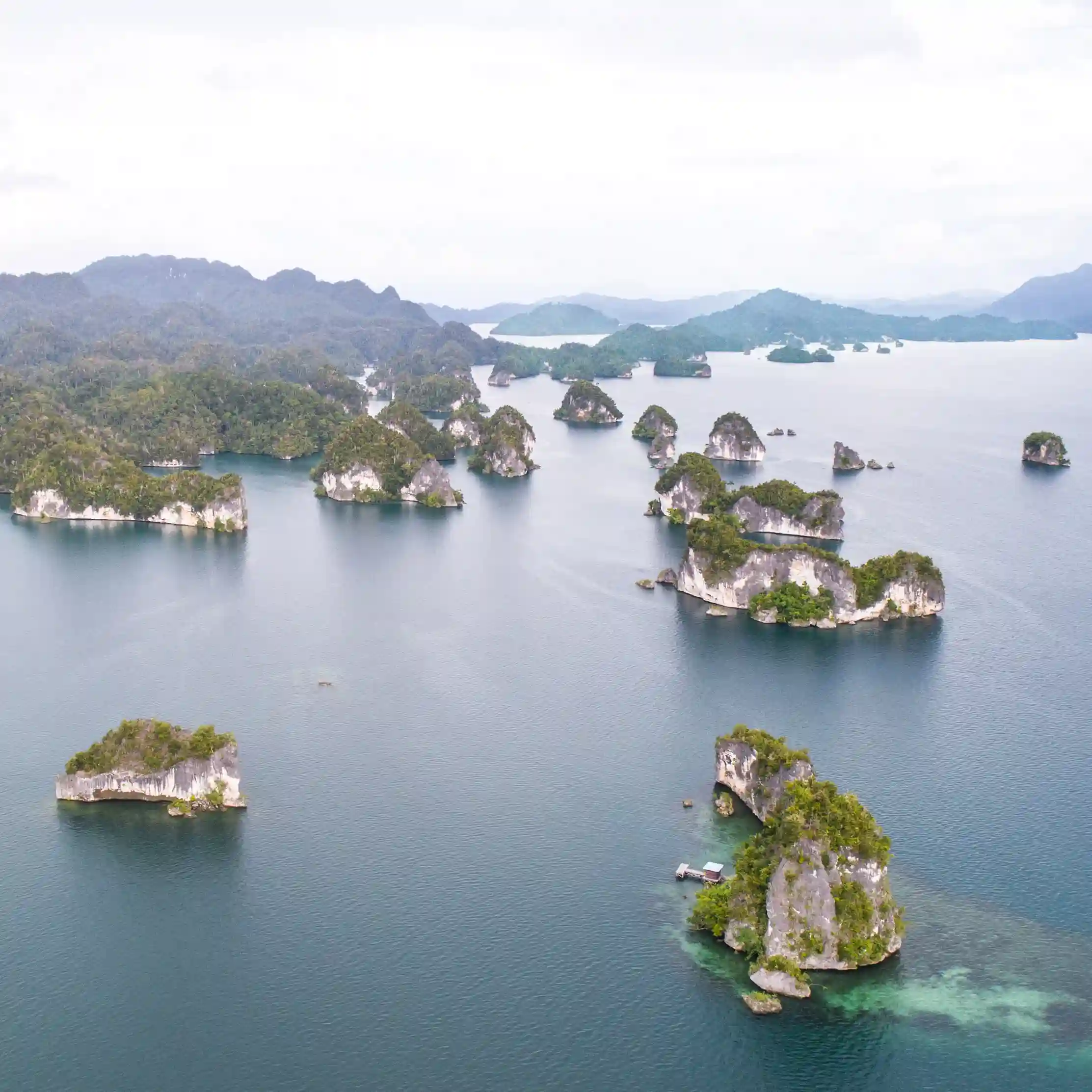
Across 2024 and 2025, multiple nickel mining exploration permits were granted in areas adjacent to Raja Ampat’s marine protected zones. Those permits triggered the Wayag closure of mid-2025, when indigenous communities blocked access in protest. International conservation organisations — among them Conservation International, The Nature Conservancy and WWF — have all flagged nickel mining as the single greatest threat to this marine ecosystem.
The mining companies argue economic development. The conservationists argue irreversible damage. The reality is narrower than either: the only counterargument strong enough to defeat mining interests permanently is tourism revenue that exceeds mining royalties. When a community earns more from guiding guests through its ancestral waters than from allowing a company to drill, the arithmetic settles the matter.
Responsible Luxury Is Not an Oxymoron
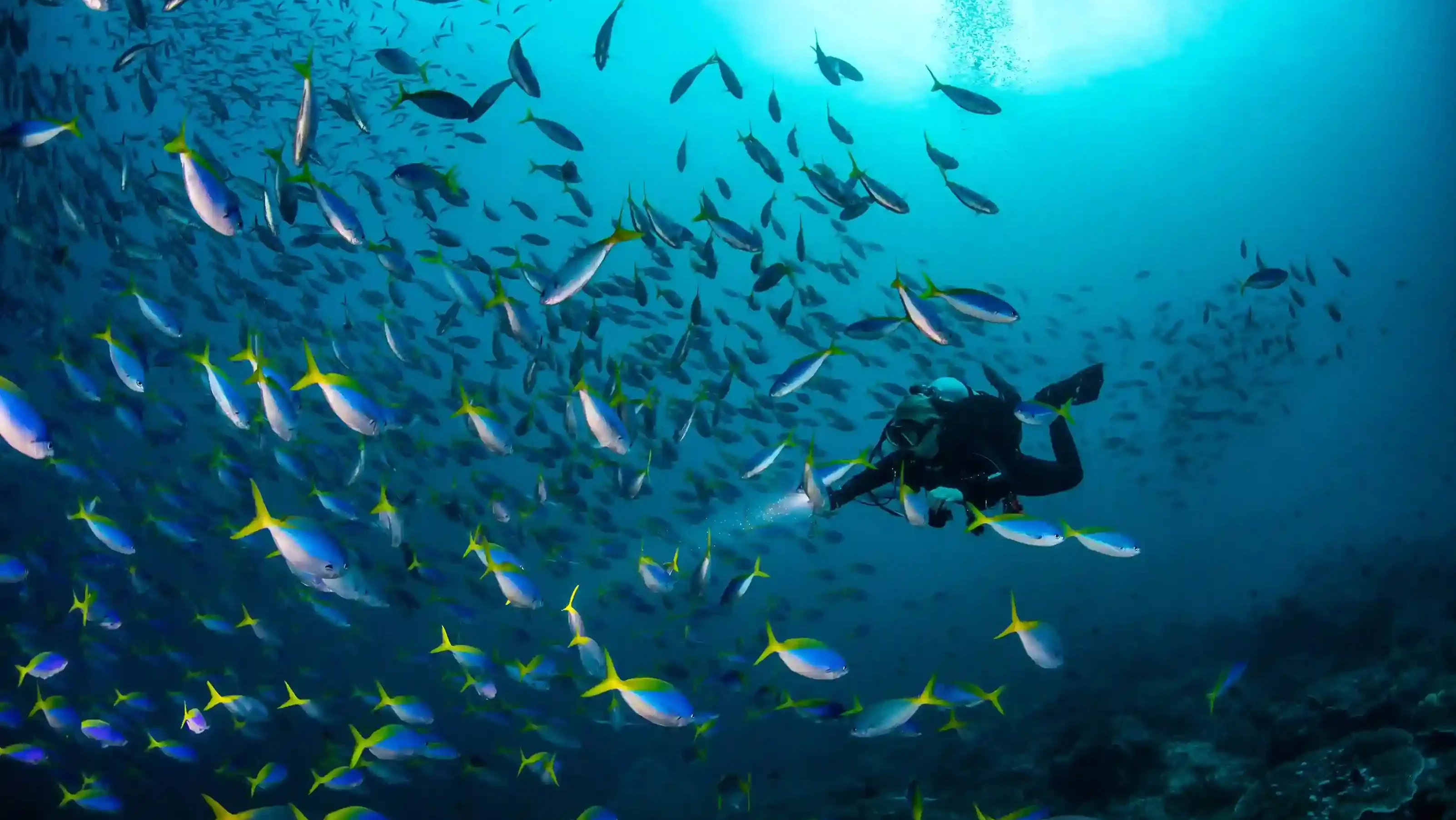
There is a persistent belief that luxury travel and conservation cannot coexist. In Raja Ampat the opposite holds. Budget travellers on shared boats contribute minimal permit fees and often patronise operators with poor environmental practice — anchoring on reef, discharging waste, using reef-toxic sunscreen. Charter guests generate ten to fifty times more conservation revenue per person, on vessels with zero-discharge waste systems and enforced mooring protocols.
Our fleet carries marine biologist guides who run reef health assessments on every voyage. Guests take part in citizen science: manta identification photographs, reef fish counts on established transects, and documentation of rare species. That data feeds a research database, and the database drives decisions about which areas receive protection. Your holiday becomes evidence.
The Communities Behind It
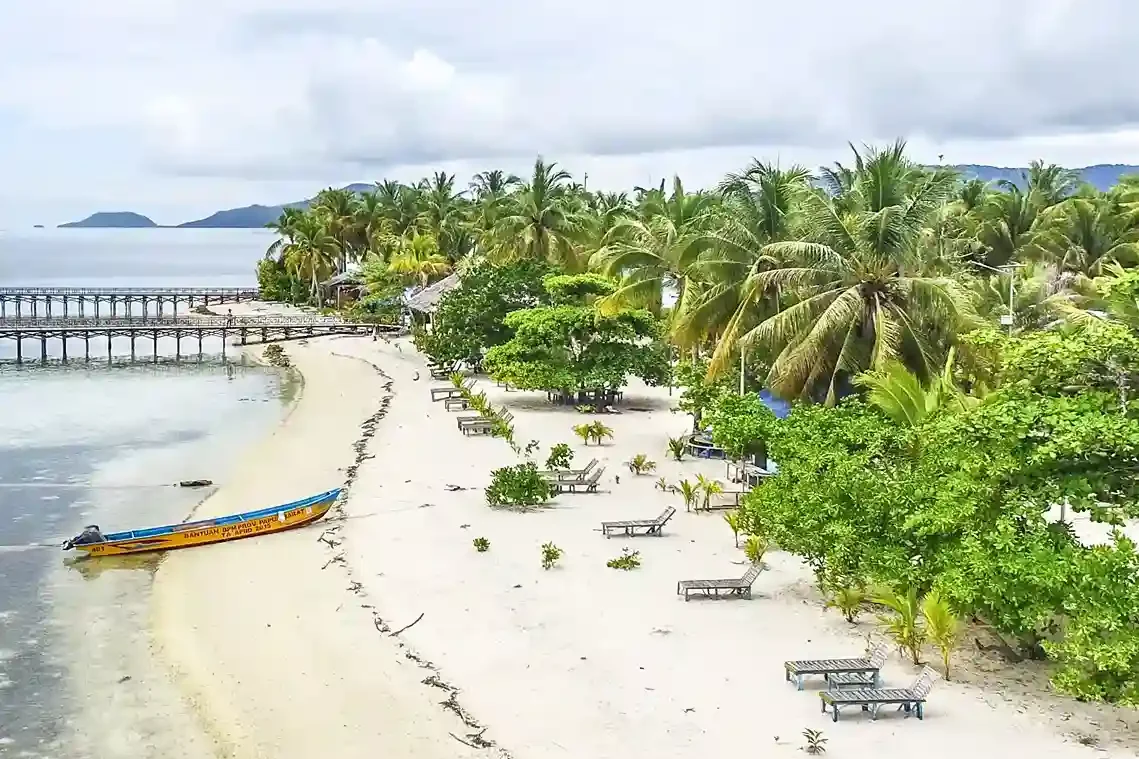
Conservation works here largely because of sasi — the traditional Papuan practice in which communities declare seasonal closures on specific reef areas to let them recover. It predates modern marine science by centuries, and it works: communities that practise sasi have measurably healthier reefs than those that do not.
Our charters include village visits where guests meet the leaders who manage those zones. These are not staged cultural performances; they are encounters with the people whose daily decisions determine whether these reefs survive another generation. The economic benefit your visit brings is precisely what reinforces the incentive to maintain sasi rather than accept a mining company’s offer.
Communities that practise sasi have measurably healthier reefs than those that do not.
Where the Money Goes
How Your Charter Funds Protection
Marine park permit
~$65 per person / year
Ranger patrols and mooring buoy maintenance
Conservation fund
$200 per guest / charter
Reef restoration and coral nurseries
Local crew employment
85% Papuan crew
Direct household income for 200+ families
Village visits
Community tourism fees
School funding and health clinic support
Sustainable sourcing
Local fish and produce
Traditional fishing economy preservation
The Marine Park Authority collects roughly $2.5 million a year from tourism permits, which makes it one of the most financially sustainable marine protected areas in the developing world. That funding still covers only about 60% of patrol needs. Our additional $200 per guest helps close the gap — in 2025 our fleet alone generated over $180,000 in conservation funding beyond standard permit fees.
2025 Operating Season
Metrics We Actually Track
47,000
Nautical miles sailed
Zero
Reef contact incidents
2,300
Manta ID photographs logged
180
Reef health survey data points
$1.2M
Direct wages to Papuan crew
$340K
Local food and supply procurement
Audited figures from our sustainability reporting framework, not estimates.
Beyond Booking
The Conservation Patron Programme
Every patron receives updates with photographs and coordinates of their sponsored project. We also encourage guests to share what they learn — one accurate post about the mining threat reaches more people than a year of press releases.
Adopt a coral restoration frame
A named frame in an active nursery, with photographs and GPS coordinates sent as it grows in.
$500
Fund a month of ranger patrol fuel
Keeps a patrol boat on the water for a month in the zones where illegal fishing pressure is highest.
$1,200
Support a marine biology internship
Funds a Papuan university student through a season of field research with our marine biologist team.
$3,000 / year
Questions Readers Ask
Frequently Asked Questions
How does luxury tourism help conservation here?
Tourism generates more than $2.5 million a year in marine park permits that fund ranger patrols and reef protection. Charter guests contribute disproportionately — ten to fifty times more conservation revenue per person than budget operations — while travelling on zero-discharge vessels with mooring practices that prevent reef damage.
What exactly is the nickel mining threat?
Multiple nickel exploration permits were granted near marine protected zones across 2024 and 2025. Mining would bring sediment runoff, habitat destruction and water contamination to the richest coral reef ecosystem on Earth. Tourism revenue exceeding mining royalties remains the strongest economic argument for permanent protection.
How much of my charter cost goes to conservation?
Directly: marine park permits of around $65 per person plus a $200 per guest conservation fund contribution. Indirectly: 85% local crew employment, community tourism fees and local sourcing, which together create the economic incentive for reef protection over extraction.
Can I take part in conservation work during my charter?
Yes. Our marine biologist guides involve guests in citizen science — manta photo-identification, reef fish surveys and rare species documentation. Extended conservation charters include coral nursery visits and restoration participation.
What is sasi, and how does tourism support it?
Sasi is traditional Papuan marine management in which communities declare seasonal reef closures to allow recovery — an ancient practice validated by modern science. Tourism income gives communities a reason to maintain sasi rather than accept mining offers.
Vote With the Booking
Book a Conservation-Powered Charter
Private charters from $4,200 per night, with the conservation contribution built into the price rather than offered as an upsell.
Plan a CharterContinue Exploring