
Raja Ampat Marine Life Guide — What You’ll See Underwater 2026

Luxury Raja Ampat Editorial Desk
April 11, 2026
3 min read
Raja Ampat Marine Life Guide — What You’ll See Underwater 2026
Raja Ampat sits at the heart of the Coral Triangle — Earth’s epicentre of marine biodiversity. The archipelago hosts over 1,600 species of reef fish, 75% of the world’s known coral species (530+ species), and unique endemic creatures found nowhere else. This guide details the marine life you can realistically encounter on a Raja Ampat dive or snorkelling trip.
The Top Species Encountered
- Reef Manta Rays — Manta Sandy + Manta Ridge cleaning stations, year-round, 95% probability encounter.
- Oceanic Manta Rays — Magic Mountain Misool, December-March, 5-7m wingspan.
- Wobbegong Sharks — Cape Kri, Mioskon, year-round.
- Walking Sharks (Epaulette) — Endemic to Raja Ampat, night dives, 3 species.
- Whale Sharks — Cenderawasih Bay extension only, May-October.
- Pygmy Seahorses — Bargibanti + Denise species on sea fans, guide-dependent.
- Schooling Barracuda — Sardine Reef, Blue Magic.
- Bumphead Parrotfish — Cape Kri at dawn, 40-strong schools.
- Hawksbill + Green Turtles — most reef sites, 99% encounter probability.
- Reef Sharks — Blacktip, whitetip, occasional grey reef at Wayag and Sardine Reef.
- Dolphins + Pilot Whales — channel crossings, 30-70% probability.
Coral Reef Composition
Raja Ampat hosts over 530 species of hard coral — about 75% of the world’s known coral species — concentrated in 50,000 km² of ocean. Reef coverage at most sites exceeds 75%. The combination of strong currents (nutrient transport), volcanic substrate, and minimal human pressure creates exceptional growth conditions. Soft coral fields at Boo Windows (Misool) are the most photographed soft coral landscape on Earth.
Where to See Each Species
| Species | Best Site | Best Months |
|---|---|---|
| Reef Manta | Manta Sandy, Manta Ridge | Year-round, peak Nov-Apr |
| Oceanic Manta | Magic Mountain (Misool) | Dec-Mar |
| Wobbegong | Cape Kri, Mioskon | Year-round |
| Walking Shark | Night dives all sites | Year-round |
| Whale Shark | Cenderawasih Bay | May-Oct |
| Pygmy Seahorse | Most sites with sea fans | Year-round |
| Barracuda Schools | Sardine Reef, Blue Magic | Year-round |
| Bumphead Parrotfish | Cape Kri dawn | Year-round |
Endemic Species — Found Only in Raja Ampat
Three species of epaulette walking sharks (Hemiscyllium freycineti, H. galei, H. henryi) are endemic to Raja Ampat — found nowhere else on Earth. These small (60cm) sharks “walk” on their pectoral fins across the reef at night. Premium liveaboards include guided night dives specifically for walking shark photography.
Conservation Status
Raja Ampat is a manta sanctuary (since 2014), shark sanctuary (since 2010), and UNESCO Biosphere Reserve (since 2025). The Marine Park system enforces visitor capacity, fishing restrictions, and protected zones. Tourism revenue funds local conservation through the Marine Park Permit system.
Best Charters for Marine Life Encounters
Our dive masters customise itineraries to your target species. Tell us your priorities — macro photography, manta encounters, shark diving, wide-angle reef — we match vessel and route within 24 hours. Recommended dive-focused vessels: Dewi Nusantara, Sequoia, Rascal.
Related Article
LASHA Raja Ampat: Private Expedition Charters from Sorong
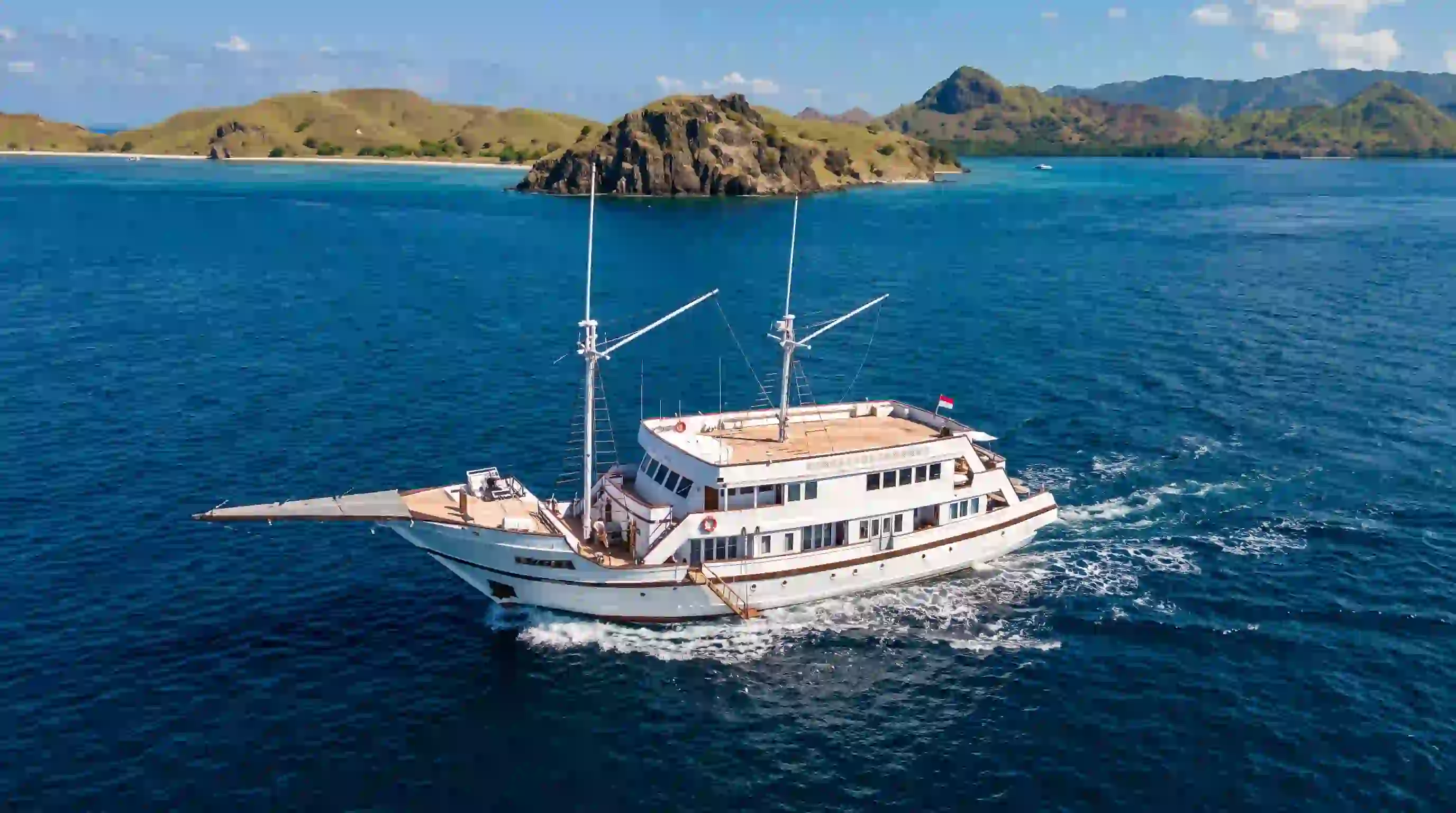
LASHA Raja Ampat expeditions run October through April, departing Sorong...
LASHA Raja Ampat expeditions run October through April, departing Sorong for Wayag, Piaynemo, and Misool aboard a 52.5-metre, ten-cabin luxury...

The Raja Ampat Charter Fleet Worth Flying For in 2027
The Raja Ampat yacht charters most worth flying for in...
The Raja Ampat yacht charters most worth flying for in 2027 are Lamima, with a verified rate of USD 27,000–28,000...
Raja Ampat Honeymoon 2027: The Ultimate Romantic Sailing Guide
Last updated: August 16, 2026 — compiled by the Luxury...
Last updated: August 16, 2026 — compiled by the Luxury Raja Ampat editorial desk, with operational input from crews currently...