
Raja Ampat Liveaboard: The Complete Guide to Exploring Indonesia’s Ultimate Marine Paradise

Luxury Raja Ampat Editorial Desk
July 1, 2026
17 min read
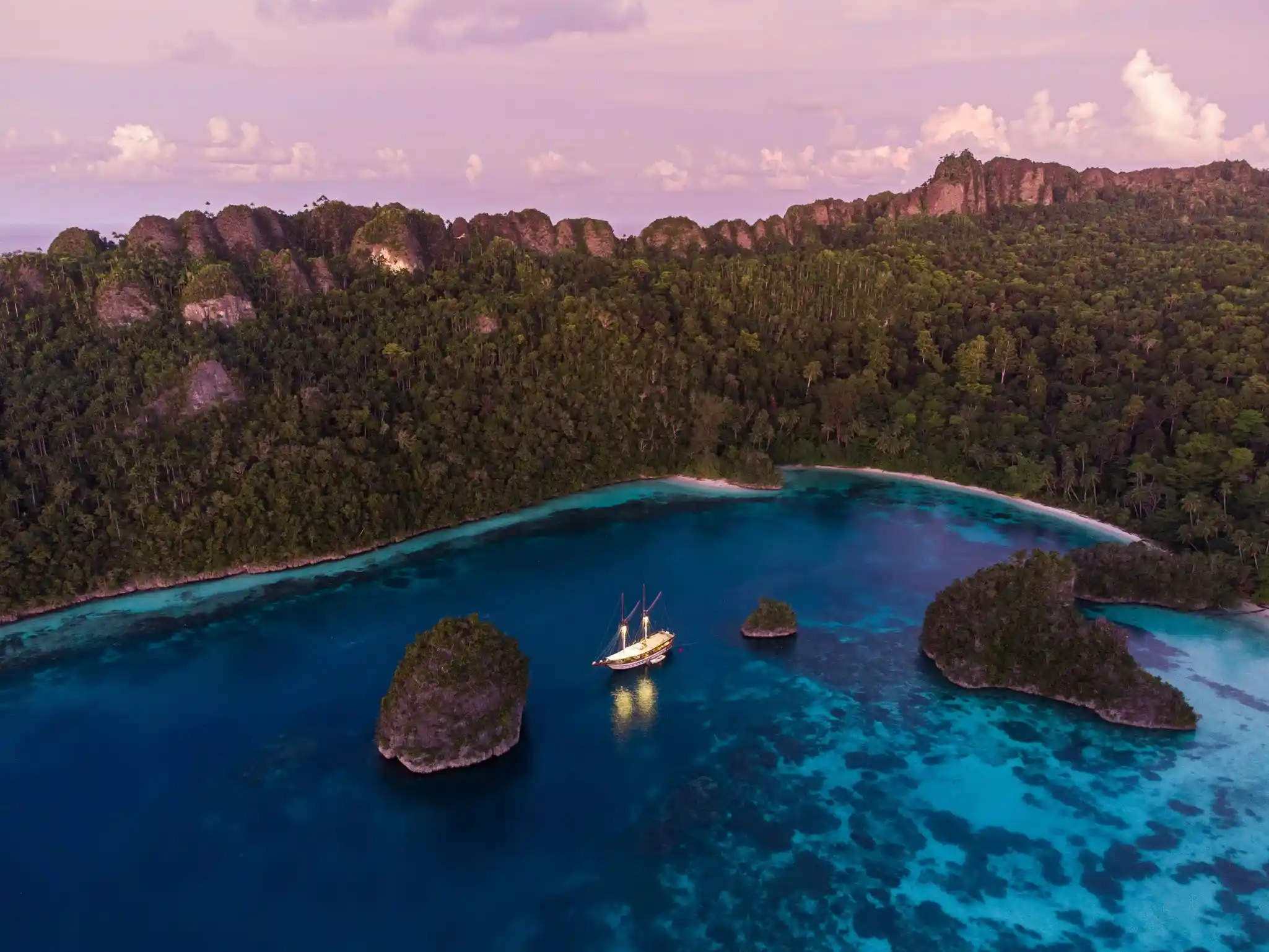
If you’re dreaming of visiting Raja Ampat, chances are you’ve seen one piece of advice repeated everywhere: experience it by liveaboard. This isn’t just a catchy travel trend—it’s a proven way to unlock remote reefs, hidden lagoons, and quiet bays that are almost impossible to reach with day trips alone. A liveaboard lets you sleep on the water, wake up next to new dive and snorkel sites every morning, and follow the best conditions throughout the archipelago instead of being tied to a single resort. That’s why seasoned travelers, divers, and marine photographers consistently recommend it as the most immersive, efficient, and unforgettable way to explore Raja Ampat’s world‑class marine paradise.
As a local luxury charter specialist operating in Indonesia, we’ve worked closely with travelers, yacht owners, and experienced cruise crews across Raja Ampat. This guide combines practical local knowledge with industry expertise to help you understand how liveaboards work, what to expect, and how to choose the right experience for your travel style.
What Is a Raja Ampat Liveaboard?
A Raja Ampat liveaboard is a multi-day cruise aboard a purpose-built dive vessel or traditional Indonesian phinisi yacht that serves as both your accommodation and transportation throughout the journey. Instead of staying at a single resort and taking long day trips, you travel between islands, reefs, lagoons, and dive sites while living comfortably on board.
Unlike land-based holidays, where your itinerary is limited by daily boat transfers, a liveaboard allows you to wake up at a different destination each morning. Over the course of several days, you can explore remote islands, hidden lagoons, pristine coral reefs, and world-famous dive sites that are often too far from mainland accommodations.
For travelers who want to experience the incredible diversity of Raja Ampat—from limestone karst islands and turquoise lagoons to manta ray cleaning stations and vibrant coral gardens—a liveaboard offers unmatched access, efficiency, and flexibility. While private yacht charters provide the highest level of exclusivity, liveaboards remain the preferred choice for travelers whose primary goal is immersive exploration, diving, snorkeling, and discovering multiple regions in a single trip.
Why Choose a Liveaboard in Raja Ampat?
Many visitors first consider staying in a resort or booking a private yacht charter in Raja Ampat. Both options have their advantages, but a liveaboard offers a unique combination of comfort, access, and time efficiency that is hard to match.
A resort is ideal if you prefer to stay in one place and relax, but you are limited to nearby sites and day trips. Travel time between islands and dive sites can be long, especially when the wind picks up. In contrast, a Raja Ampat liveaboard travels through the night or during meal times, repositioning to new areas so that you spend more of your day actually enjoying the water.
Private yacht charters focus on bespoke cruising and comfort, often with flexible schedules and personalized itineraries. However, not all yachts are equipped as fully as dedicated liveaboard vessels for high‑frequency diving, large equipment storage, or specialized underwater operations. Liveaboards are designed from the keel up to support multiple dives per day, with onboard compressors, equipment rooms, and dive platforms that streamline the entire experience.
A Raja Ampat liveaboard is therefore ideal if:
- You want to explore multiple regions (Central, North, and Misool) in a single journey
- You plan to dive or snorkel every day, often several times per day
- You value the efficiency of waking up at new sites without long transfers
- You want a curated itinerary designed around marine conditions and park regulations
For travelers whose priority is exploration rather than static relaxation, liveaboards offer maximum exposure to Raja Ampat’s diversity in a limited timeframe.
Read more: Raja Ampat Conservation Fee 2027 — Updates, Marine Park Regulations & HNWI Guide
Raja Ampat Regions: How Liveaboard Routes Work
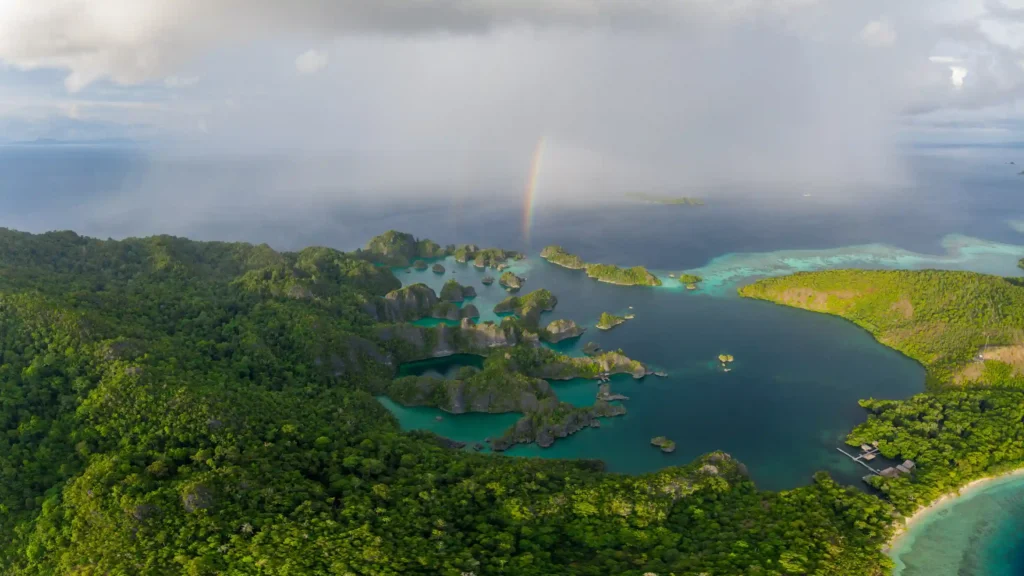
Raja Ampat is not one single island but the remote, biodiverse Raja Ampat archipelago in West Papua, made up of the four main islands known as the “Four Kings.” The main regions most liveaboards visit include, and itineraries commonly move among Waigeo, Batanta, Salawati, and Misool:
- Central Raja Ampat – Around Mansuar, Kri, and Gam; famous for sites like Cape Kri and Blue Magic, with vibrant coral reefs and high fish biomass.
- Northern Raja Ampat – Including Waigeo and the iconic Wayag, known for karst landscapes, lagoons, and dramatic viewpoints.
- Southern Raja Ampat (Misool) – Remote, wild, and less visited, with dramatic underwater topography, soft corals, and smaller crowds.
- Dampier Strait – Strong currents, pelagic action, and several manta cleaning stations, often included in standard itineraries near Batanta Island.
A typical Raja Ampat liveaboard itinerary is designed to connect these areas over 6–12 nights, balancing travel time, sea conditions, and park rules, and some longer routes extend beyond the region with Banda Sea crossings. Because the distances between regions can be significant, moving with a liveaboard allows you to access remote sites like Misool or Wayag that are difficult to reach on standard day trips.
This geography is one reason liveaboards are so popular here. Rather than spending hours each day in transfer boats, you use the liveaboard itself as a comfortable, mobile base that carries you from one highlight to the next while you rest, dine, or sleep.
Types of Raja Ampat Liveaboard Experiences
Not all liveaboards in Raja Ampat are the same. Choosing the right vessel type and trip style is key to matching your expectations.
- Luxury Phinisi and Boutique Liveaboards
These are traditionally built wooden yachts (often phinisi) or boutique vessels with spacious cabins, ensuite bathrooms, air‑conditioning, and hotel‑level service. They are ideal for couples, families, and small groups who want premium comfort, fine dining, and curated experiences on board, with a focus on both diving and leisure. - Dive‑Focused Liveaboards
Dive liveaboards are equipped for serious underwater enthusiasts: large gear storage, multiple compressors, nitrox availability, and dedicated dive teams. Daily schedules are built around three to four dives per day. If your main objective is Raja Ampat liveaboard diving and you want to maximize bottom time and variety, these vessels are a good match. - Snorkeling, Photography, and Mixed‑Activity Liveaboards
Some liveaboards cater specifically to underwater photographers and snorkelers, with tailored schedules, flexible dive/snorkel planning, and attention to lighting and conditions. They often include shallow reef sites ideal for snorkelers, plus topside activities like beach walks, lagoons, and viewpoints. - Cabin‑Based vs Private Charter Liveaboards
On cabin‑based trips, you book one or more cabins and share the vessel with other guests on a fixed schedule. On private charters, you book the entire liveaboard exclusively for your group, allowing you to tailor the itinerary, activities, and pacing. A private Raja Ampat liveaboard charter is perfect for families, friends, or special events where privacy and customization matter.
Understanding these categories will help you refine your search for “Raja Ampat liveaboard” options that fit your style and expectations.
Best Time and Diving Season for a Raja Ampat Liveaboard

Raja Ampat is a year‑round destination, but certain periods offer more favorable sea conditions and visibility, depending on your goals. The main diving season generally runs from October to May, with October to April often considered the best overall window to visit.
In general, many liveaboards schedule their Raja Ampat seasons around months with calmer seas, consistent visibility, and water temperatures of 27 to 30 degrees Celsius (about 80–86°F year-round). During these times, you can expect more predictable weather, smoother overnight crossings, and better comfort on deck. Shoulder seasons may bring a mix of conditions but also fewer boats, which can mean quieter sites and more flexibility. From mid-June to mid-September, stronger winds and choppy seas are more common, and many liveaboards relocate during the southeast monsoon.
When deciding on timing for a Raja Ampat liveaboard cruise, consider:
- Sea conditions and wind patterns – These affect comfort during crossings and the ability to reach exposed sites.
- Underwater visibility – It can vary by region and time of year; photographers may prefer periods with clearer water.
- Crowd levels – High season can see more vessels at popular sites; shoulder periods may offer more solitude.
Discuss timing with your chosen operator, as they will have recent, practical knowledge of local conditions and can recommend ideal travel windows to dive Raja Ampat, snorkel, or plan photography‑focused trips.
Read more: Best Time to Visit Raja Ampat 2026 — Month-by-Month Luxury Travel Guide
Sample Raja Ampat Liveaboard Itineraries
Every operator offers slightly different routes, but most Raja Ampat liveaboard programs follow similar patterns. Here are three common trip structures to give you an idea of how your days might look.
6D5N Central Highlights
A shorter liveaboard focused on central Raja Ampat typically includes:
- Arrival and embarkation at the main port, safety briefing, and a relaxed check dive
- Daily dives or snorkels at central sites with rich coral reefs and schooling fish
- One or two afternoon excursions to sandbars, mangrove areas, or small islands
- Sunset views on deck, followed by dinner and daily briefings about the next day’s plan
This style is ideal if you are short on time but want a concentrated Raja Ampat liveaboard experience that covers key sites without venturing too far south or north.
8D7N North & Central Adventure
An extended itinerary can combine central highlights with northern areas:
- Central Dampier Strait and surrounding islands for diving and pelagic encounters
- A visit to the Wayag or similar karst island areas, including viewpoints and lagoon paddling
- Mix of dive, snorkel, and beach activities, with several nights at anchor near scenic bays
This route balances diving with iconic landscapes and is popular with travelers who want both underwater and topside experiences.
10D9N Misool & Wayag Expedition
Longer liveaboards often include more remote regions:
- Multiple days exploring Misool’s soft coral forests and unique underwater formations
- Extended crossings between regions, using nights for repositioning
- Flexibility to include both southern and northern highlights, with days reserved for special sites and photography opportunities
These “expedition style” Raja Ampat liveaboard cruises are ideal for experienced divers and photographers looking for maximum variety and immersion.
Signature Dive and Snorkel Sites Accessible by Liveaboard

A major advantage of a liveaboard in Raja Ampat is access to a wide range of dive and snorkel sites spread across the marine park. While exact itineraries change depending on weather and regulations, many trips include some of the following types of sites:
- Current‑swept reefs – Known for high biomass, schooling fish, and pelagic visitors such as trevallies or sharks.
- Manta cleaning stations – Shallow areas where reef mantas come to be cleaned by smaller fish, ideal for divers and snorkelers alike.
- Soft coral gardens – Colorful slopes and pinnacles, often in areas with gentle currents and excellent photographic opportunities.
- Macro and muck sites – For those who enjoy spotting smaller, more cryptic species like nudibranchs or pygmy seahorses.
Because Raja Ampat is a protected marine park, site selection always depends on current regulations, environmental considerations, and safety. Liveaboard cruise directors evaluate conditions daily and adjust plans to ensure you experience the best possible sites while respecting the environment.
On‑Board Experience: Life on a Luxury Raja Ampat Liveaboard
One of the biggest charms of a Raja Ampat liveaboard is the rhythm of life on board. While every vessel differs, you can expect a similar daily flow:
- Mornings – Wake up to sunrise over the islands, enjoy coffee and light snacks before the first dive for scuba divers or an early snorkel for non-divers. After the first activity, breakfast is served as the crew moves the vessel or prepares for the next session.
- Midday – Late morning and early afternoon dives or snorkels, often including a second dive on dive-focused trips, followed by lunch. Non‑divers can relax on deck, read, or explore nearby beaches and lagoons.
- Afternoons – Optional third or fourth dive, depending on the schedule, or a land excursion to a viewpoint or village.
- Evenings – Sunset drinks on deck, followed by a freshly prepared dinner. Briefings outline the next day’s plan, and some vessels also offer optional night dives when conditions allow, while guests can review photos, socialise, or simply enjoy the quiet atmosphere.
Cabins on luxury liveaboards usually feature private bathrooms, air‑conditioning, storage for personal items, and large windows or portholes. Common spaces often include indoor lounges, outdoor dining areas, sun decks, and shaded chill‑out areas. Service is provided by a dedicated team: captain, engineers, cruise director, dive guides, chefs, stewards, and deck crew, all working together to ensure safety and comfort.
Safety, Sustainability, and Permits
Raja Ampat is a marine protected area, and every reputable liveaboard operator must comply with local regulations. As a guest, it is important to understand the basics, both for your own safety and to contribute to conservation.
- Marine park entry fees and permits
Liveaboard trips include necessary permits and marine park fees in the package or as a separate charge. These fees support local conservation, park management, and community initiatives. Exact amounts can change over time, so confirm with your operator before travel. - Safety standards and procedures
Professional Raja Ampat liveaboard operators follow strict safety protocols: pre‑departure briefings, dive safety rules, emergency equipment such as oxygen, radios, and life rafts, and clearly defined procedures in case of medical or weather‑related issues. Dive guides are usually certified professionals familiar with local currents and site characteristics. - Environmental practices
Many liveaboards actively minimize their impact by using reef‑safe products, managing waste responsibly, avoiding anchoring on sensitive reefs, and following established mooring systems where available. Guests are encouraged not to touch or collect marine life, maintain good buoyancy, and follow guidance on responsible wildlife interactions.
Choosing a Raja Ampat liveaboard that respects these principles helps preserve the very environment you came to enjoy.
Read more: Raja Ampat Marine Life Guide 2026 — What You’ll See Underwater
How to Choose the Right Raja Ampat Liveaboard
With many liveaboard options available, choosing the right one can be challenging. Consider the following factors when evaluating vessels and itineraries:
- Trip length and itinerary focus
Decide how many days you can spend on board and which regions you want to prioritize: central highlights, northern viewpoints, southern Misool, or a combination. - Activity focus
Clarify whether your trip is primarily about diving, snorkeling, photography, or mixed activities. This will influence the vessel type and schedule. - Comfort and budget level
Set expectations for accommodation style, from simple cabins to high‑end suites. Luxury Raja Ampat liveaboard options come with more spacious cabins, higher crew‑to‑guest ratios, and upgraded dining experiences. - Group size and privacy
Decide between joining a scheduled cabin‑based trip or arranging a private liveaboard charter. Private charters offer full customization but require a group or family to make the most of exclusive use. - Operator reputation
Research reviews, safety track records, environmental commitments, and communication quality. An experienced operator familiar with Raja Ampat’s conditions will help optimize your experience and safety.
Before booking, prepare a short checklist of questions:
- What is included in the price (park fees, equipment, nitrox, transfers)?
- What is not included (domestic flights, alcoholic beverages, tips, rental gear)?
- What is the maximum number of guests and crew on board?
- What certifications do the dive guides hold?
- How are itineraries adjusted in case of bad weather or changing regulations?
The more clarity you have in advance, the smoother your Raja Ampat liveaboard vacation will be.
Practical Planning Tips: Logistics and Requirements
Planning a Raja Ampat liveaboard involves some logistics, but with the right preparation, it is straightforward.
- Getting there
Most liveaboards depart from ports close to Sorong, the main gateway to Raja Ampat. You will need domestic flights within Indonesia, often connecting through major hubs such as Jakarta or Makassar. Upon arrival, the liveaboard crew typically meets you at the airport or a designated hotel and transfers you to the vessel. - Booking timeline
High‑quality Raja Ampat liveaboards often fill up months in advance, especially during popular periods. Booking early gives you better cabin choice and flexibility in dates. For private charters, earlier planning is even more important. - Health and experience
For dive‑focused trips, operators usually recommend a minimum number of logged dives and recent experience, as currents can be strong at some sites. Travel and dive insurance are strongly advised, and you should inform the crew of any medical conditions. - Packing list essentials
Pack soft‑sided luggage to make cabin storage easier. Bring reef‑safe sunscreen, lightweight clothing, a hat, sunglasses, a reusable water bottle, and personal toiletries. Divers should bring their own mask, fins, and computer if possible; rental equipment is often available but should be reserved in advance. A waterproof bag, chargers, and adapters are also useful.
Thoughtful preparation ensures you can focus on enjoying your Raja Ampat liveaboard rather than worrying about logistics once you are onboard.
Cost Drivers of a Raja Ampat Liveaboard
Prices for Raja Ampat liveaboard cruises vary, but understanding the main cost drivers will help you compare options fairly.
- Season and demand
Peak periods may have higher rates due to demand and operational conditions. Shoulder seasons can sometimes offer more value. - Trip length
Longer itineraries cost more overall but may offer a better per‑day value and greater coverage of the region. - Vessel class and cabin type
Luxury liveaboards with fewer cabins, larger spaces, and premium finishes will naturally sit at a higher price point than simpler vessels. Suites or master cabins often command surcharges compared to standard cabins. - Inclusions
Some operators include park fees, nitrox, and certain transfers, while others list them separately. Review inclusions carefully to avoid surprises. - Charter vs cabin‑based
Private Raja Ampat liveaboard charters can appear expensive at first glance but may be cost‑effective for larger groups when the total cost is divided among guests.
By looking beyond headline prices and evaluating the total value offered, you can find a liveaboard that aligns with your budget and expectations.
Read more: Luxury Raja Ampat Cost 2026 — Complete Charter Pricing Guide (USD)
Ready to Plan Your Raja Ampat Liveaboard?
A Raja Ampat liveaboard is the most immersive and efficient way to explore the Four Kings, waking up at new sites each day, diving world‑class reefs, and enjoying remote islands that regular day trips rarely reach. It brings together comfort, expert local guidance, and carefully planned routes so you can make the most of every moment on the water.
If you already have a rough travel window, group size, and preferred style of trip (dive‑focused, snorkel and island‑hopping, or photography‑oriented), the Luxury Raja Ampat team can help you match the right liveaboard and itinerary to your needs. Share your dates, number of guests, and trip preferences, and we’ll propose tailored Raja Ampat liveaboard options and help you secure your booking with confidence.

Is a Raja Ampat liveaboard suitable for beginners?
Yes, many liveaboards welcome beginners, especially for snorkeling and introductory experiences. However, if you plan to dive, you should have basic certification and some recent experience, since conditions can involve currents and some routes include drift dives with stronger currents, so beginner scuba diving guests should choose itineraries and guidance that match their skill level. Beginners can enjoy shallow, protected sites, but should communicate their comfort level clearly with the crew so the itinerary and guidance can be adjusted.
How many days do you need for a Raja Ampat liveaboard?
The ideal length depends on your schedule and budget, but many travelers choose trips between 6 and 10 days. Shorter itineraries focus on central highlights, while longer expeditions can extend to remote areas such as Misool and northern viewpoints. More days allow for a better balance of diving, relaxation, and exploration.
Can non‑divers enjoy a Raja Ampat liveaboard?
Absolutely. A Raja Ampat liveaboard is not only for divers. Non‑divers can snorkel, kayak, paddleboard, visit beaches and viewpoints, or simply relax on deck and enjoy the landscapes, with sea turtles and colorful reef fish often visible even while snorkeling. Raja Ampat lies in the Coral Triangle and holds around 1,500 fish species and 500 coral species, including 35 endemic fish species and 40 coral species, plus about 75% of the world’s hard coral species, while also supporting five endangered marine turtle species. When choosing a vessel, look for itineraries that mention mixed activities and discuss options with the operator to ensure non‑divers are fully integrated into the daily program.
Related Article

Planning a Misool South Route: How Divers Structure a Private Charter Week
Misool sits at the bottom of the Raja Ampat map...
Misool sits at the bottom of the Raja Ampat map and at the top of most divers’ wish lists, yet...
Raja Ampat or Komodo First? Choosing Your Indonesian Charter Season
Every year we field the same question from travelers holding...
Every year we field the same question from travelers holding two or three weeks of leave and one big Indonesian...
Private Yacht Charter Raja Ampat: A Complete Guide to a Fully Private Luxury Sailing Experience
Have you ever imagined exploring Raja Ampat without following a...
Have you ever imagined exploring Raja Ampat without following a fixed group schedule, sharing a boat with strangers, or rushing...