
Manta Sandy Diving Guide 2026 — Encounter Reef Mantas Up Close

Luxury Raja Ampat Editorial Desk
May 25, 2026
5 min read
Luxury Raja Ampat charters access Manta Sandy and Manta Ridge via private yacht — the world’s most reliable reef manta encounters. Our Sorong-based dive masters know every cleaning station and time the visits for optimal sightings.
Manta Sandy Diving Guide 2026 — Encounter Reef Mantas Up Close
Manta Sandy is Raja Ampat’s signature dive site — and arguably the most reliable manta cleaning station on Earth. Located in the Dampier Strait between Mansuar and Airborek islands, the site sits in just 5-8 metres of water, accessible to both certified divers and snorkellers. Reef manta rays glide overhead while cleaner wrasses pick parasites from their gills and bellies. Encounter durations of 15-45 minutes are common, with up to 8 mantas circling simultaneously. This guide explains how to dive Manta Sandy, what to expect, and how to maximise your encounter on a Luxury Raja Ampat charter.
Quick Facts — Manta Sandy
| Location | Dampier Strait, between Mansuar and Airborek |
|---|---|
| Depth | 5-8 metres (cleaning station), 15m max nearby |
| Visibility | 15-30m typical |
| Current | Mild to moderate (depending on tide) |
| Manta species | Reef Manta (Mobula alfredi) — 3-4m wingspan |
| Best months | October-April peak, year-round availability |
| Suitable for | Open Water divers, snorkellers |
| Typical encounter | 15-45 minutes, 2-8 mantas simultaneously |
How a Manta Sandy Dive Works
The site protocol — strictly enforced by the Raja Ampat Marine Park Authority and our dive masters — requires divers to lie or kneel on a sandy patch designated 10 metres from the cleaning station. No fin movement, no approaching the mantas, no flash photography. The mantas glide above the cleaning rocks while wrasses pick parasites. As long as divers remain still, encounters extend to 30+ minutes.
- Briefing aboard: Dive master explains site protocol, manta etiquette, photography rules.
- Tender transfer: 5-minute tender ride from anchored yacht to drop point.
- Descent: Backward roll, controlled descent to 6m sandy patch.
- Positioning: Kneel in sand circle, hands on knees, no fin movement.
- Wait: Mantas typically arrive within 5-15 minutes of settling.
- Encounter: 15-45 minutes of observation, photography, awe.
- Return: Controlled ascent, surface, tender return.
Manta Ridge — The Bigger Sister Site
Manta Ridge sits south of Arborek, deeper (10-18m) than Manta Sandy. The current is stronger, manta encounters are with both reef and (occasionally) oceanic mantas. Advanced Open Water + 30+ logged dives recommended for Manta Ridge due to drift conditions. Encounters here often involve courtship trains — multiple male mantas pursuing a single female in formation.
Magic Mountain (Misool) — Oceanic Manta Site
For oceanic manta encounters (larger 5-7m wingspan, distinctively darker), Magic Mountain at southern Misool is the premier site. Oceanic mantas aggregate December-March. Requires 10-night or longer charter to reach. Visibility 25-35m, depth 12-20m.
Best Months for Manta Sandy Encounters
- December-March (peak): Plankton blooms attract maximum manta activity. 90%+ encounter probability.
- October-November (early season): Conditions improve, 80%+ encounter probability.
- April-May (late season): Final manta-dense weeks before monsoon shift.
- June-September (southeast monsoon): Mantas still present but visibility lower (10-20m) and seas rougher.
Photography Tips for Manta Sandy
- Wide-angle lens essential (10-22mm full-frame equiv) — mantas pass close, fill the frame.
- No flash on cleaning station — protocol forbids flash within 5m of mantas.
- Strobes acceptable from a respectful distance (use natural light if possible).
- Shoot UP from below — silhouetted mantas against blue water create signature shots.
- Patience over chase — let mantas approach you, never swim after them.
- GoPro on tripod works well for video — mount and let the mantas glide into frame.
Snorkelling Manta Sandy (Non-Divers)
Manta Sandy is one of the few world-class manta sites accessible to snorkellers. The cleaning station depth (5-8m) means surface observers can see mantas clearly. Required: calm sea conditions, good freediving fitness (optional dive-down for proximity), snorkel guide. We arrange dedicated snorkelling-only sessions for non-diver guests.
Manta Conservation in Raja Ampat
The Raja Ampat reef manta population is studied by the Manta Trust and Misool Foundation. Each manta has unique belly markings — researchers maintain a photo database. Guests are encouraged to share underwater photos of manta bellies (with date + location) at mantatrust.org for ID contribution. Raja Ampat declared a manta sanctuary in 2014 — capture, sale, and harm carry criminal penalties.
Frequently Asked: Manta Sandy
What is the success rate of seeing mantas at Manta Sandy?
October-April: 90-95% probability of manta encounter on any given dive. May-September: 70-80%. Multi-dive day attempts (2-3 dives same day) raise probability to near-100%.
Do I need to be a certified diver to see mantas at Manta Sandy?
No — snorkellers see mantas clearly from the surface at the 5-8m depth. Open Water certification with 10+ logged dives is sufficient for the dive option. Advanced Open Water + 30 dives recommended for nearby Manta Ridge (deeper, stronger current).
How close do the mantas come?
Within 1-3 metres regularly. Maintain protocol stillness and the mantas may pass directly overhead. The mantas are habituated to non-aggressive dive presence; they continue their cleaning routine without disturbance.
What is the difference between reef and oceanic mantas?
Reef mantas (Mobula alfredi) — 3-4m wingspan, residents of Manta Sandy and Manta Ridge year-round. Oceanic mantas (Mobula birostris) — 5-7m wingspan, migratory, primarily at Magic Mountain in Misool December-March.
Can I touch the mantas?
NO. Touching mantas removes their protective mucous layer and stresses the animal. Maintain minimum 3m distance and never grab, touch, or chase. Violations result in dive cancellation and reporting to Marine Park authorities.
Are there sharks at Manta Sandy?
Occasional blacktip reef sharks pass through. Wobbegong sharks are found on nearby Mioskon. None pose threat to divers — Raja Ampat sharks are not aggressive towards humans.
Plan Your Manta Encounter
Tell us your dates and we will time your charter to maximise manta probability across Manta Sandy, Manta Ridge, and (on longer charters) Magic Mountain Misool. WhatsApp: +62 811 3823 875 · Send enquiry
Related Article
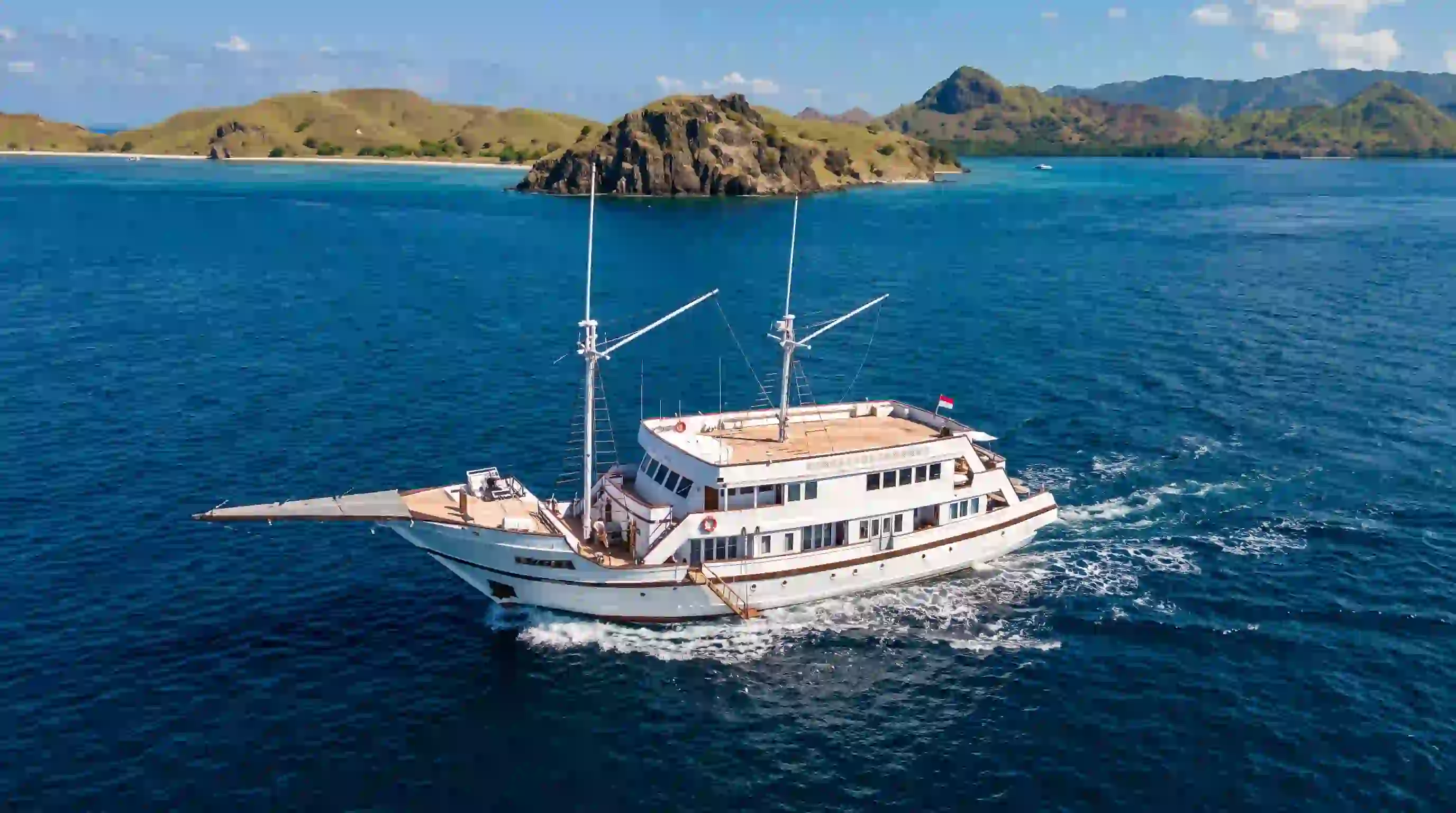
LASHA Raja Ampat: Private Expedition Charters from Sorong
LASHA Raja Ampat expeditions run October through April, departing Sorong...
LASHA Raja Ampat expeditions run October through April, departing Sorong for Wayag, Piaynemo, and Misool aboard a 52.5-metre, ten-cabin luxury...
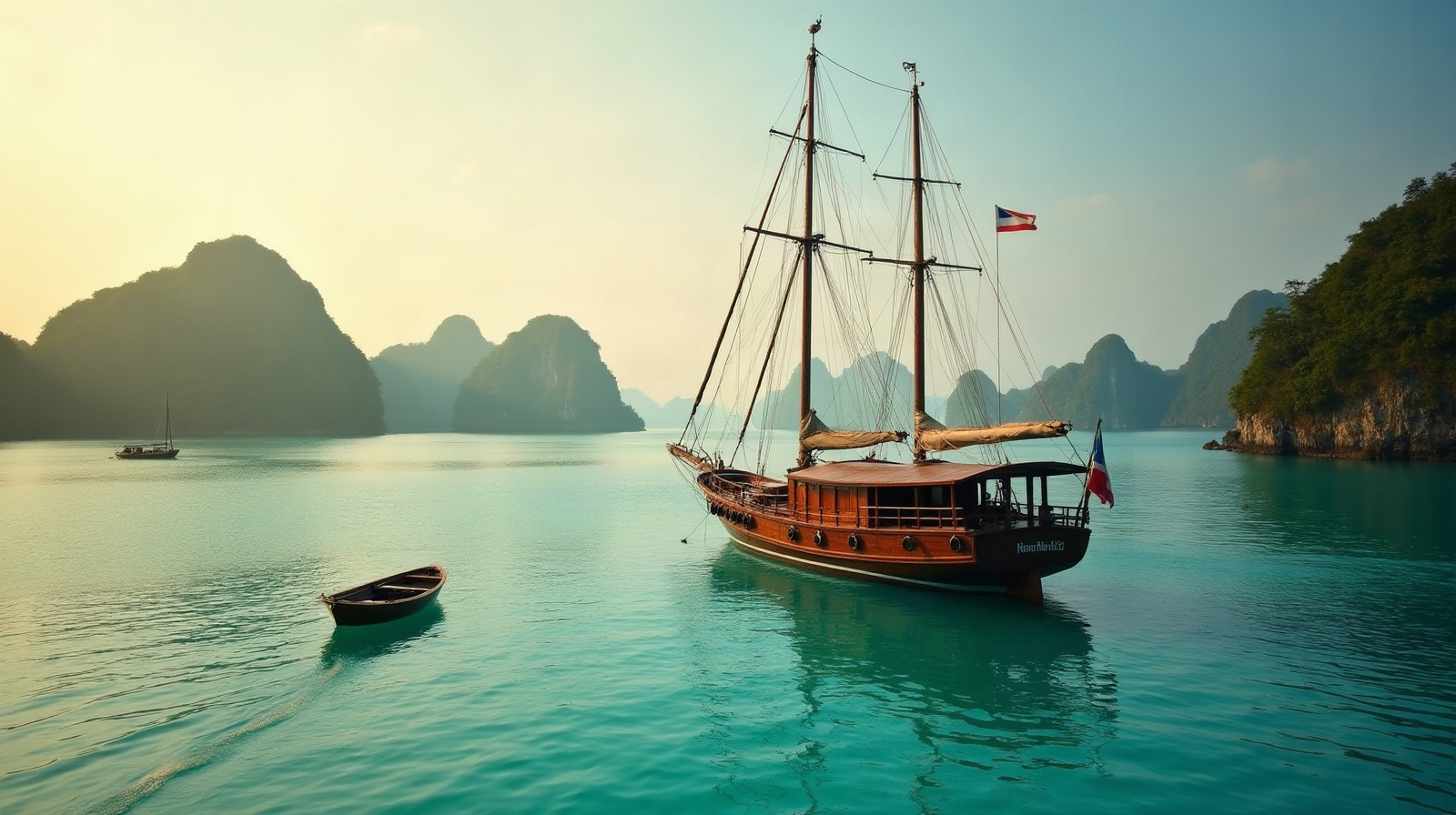
The Raja Ampat Charter Fleet Worth Flying For in 2027
The Raja Ampat yacht charters most worth flying for in...
The Raja Ampat yacht charters most worth flying for in 2027 are Lamima, with a verified rate of USD 27,000–28,000...
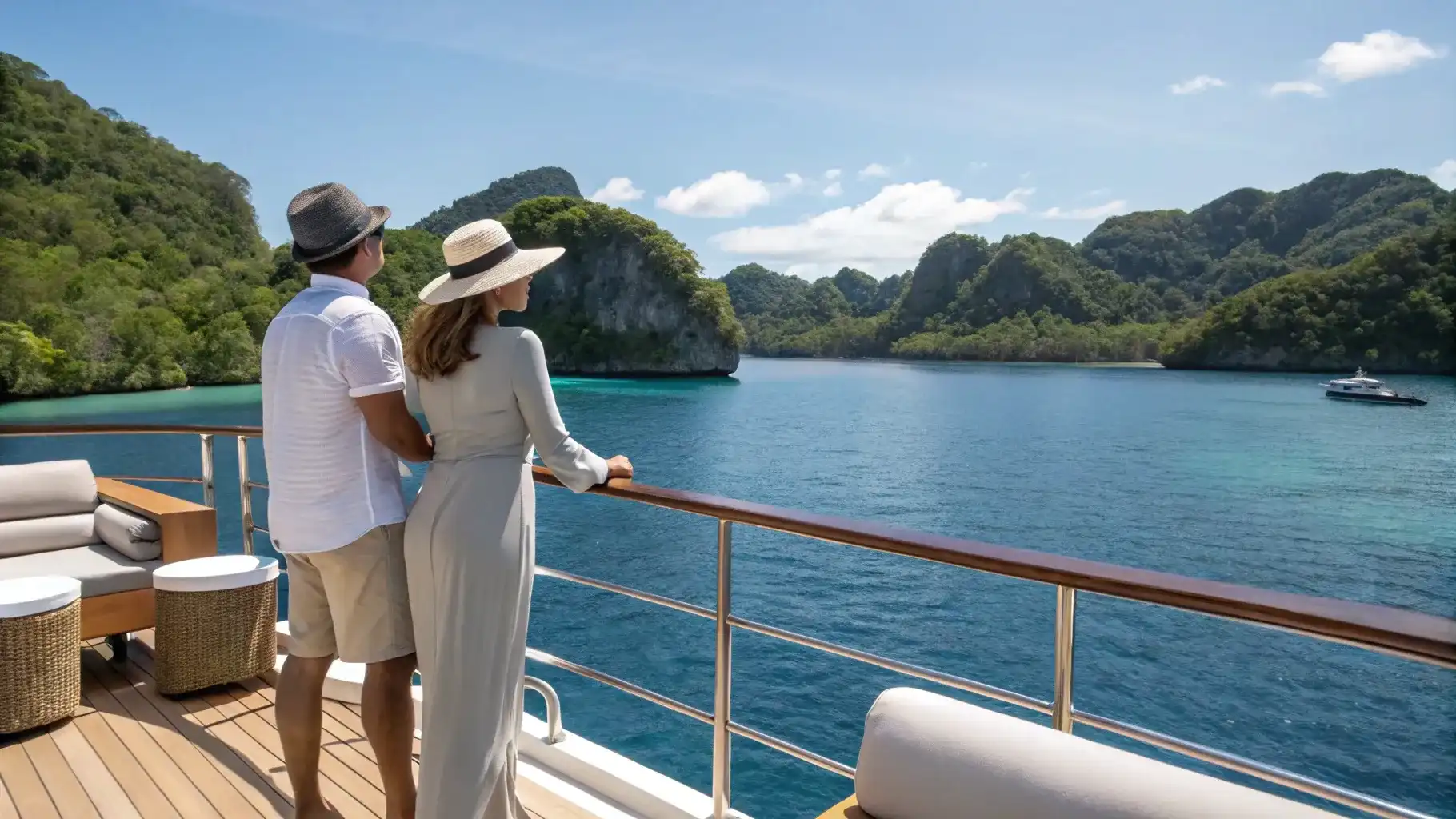
Raja Ampat Honeymoon 2027: The Ultimate Romantic Sailing Guide
Last updated: August 16, 2026 — compiled by the Luxury...
Last updated: August 16, 2026 — compiled by the Luxury Raja Ampat editorial desk, with operational input from crews currently...