
3–4 Dives Daily · Premium Vessels
Raja Ampat
Diving Liveaboard
The ultimate pilgrimage for serious divers. Three to four dives a day across the most biodiverse marine ecosystem on Earth — from the manta superhighway at Manta Sandy to the world-record fish count at Cape Kri. No resort-based operation can match the access, frequency, or variety.
3–4
Dives per day
1,500+
Reef fish species
600
Hard coral species
30m+
Typical visibility
Purpose-Built for Divers
What Makes a Diving
Liveaboard Different
Unlike general luxury cruises that balance diving with island exploration, a diving liveaboard is built around one thing: time underwater. The day revolves around the dive schedule — first light when pelagics are most active, mid-morning, afternoon, and an optional night dive.
Between dives the vessel repositions to the next site while you review images in the camera room, rinse gear on a dedicated dive deck, or top up with enriched air nitrox from the onboard fill station. Wake up, roll off the platform into Blue Magic, and be in the water long before the first day-boat leaves a resort jetty.
Dedicated dive deck with individual equipment stations
Onboard compressor and nitrox fill system
Camera room with rinse tanks and charging stations
Dive tenders for fast, flexible site access
Guides with thousands of logged dives in Raja Ampat
Itineraries built around conditions, not fixed schedules
20–28
Dives on a 7-night charter
First Light to Fluorescence
A Day in Four Dives
The vessel moves while you sleep. Every briefing happens metres from the site — no transfers, no queues, no other boats.
01
06:00
Dawn Dive
Entering the water at first light, when grey reef sharks still patrol the shallows and schooling jacks have not yet dispersed. The best photographic light of the day and almost always the richest pelagic action.

02
09:30
Mid-Morning Dive
The signature site of the day — Blue Magic, Cape Kri or Manta Sandy, timed precisely to the tidal window when the current turns and the cleaning stations come alive.

03
14:30
Afternoon Dive
A slower, macro-focused profile on a wall or jetty: pygmy seahorses, wobbegongs tucked under table corals, and nudibranchs for the camera room to argue over at dinner.

04
19:00
Night Dive (Optional)
Walking sharks hunting across the sand, sleeping parrotfish in mucus cocoons, and on selected vessels a fluorescence dive with blue light and yellow filters.

12–16 Sites per Voyage
Dive Sites You Will Explore
A typical 7-day diving liveaboard covers 18–24 dives across 12–16 different sites. These are the ones guests talk about on the flight home.
Blue Magic
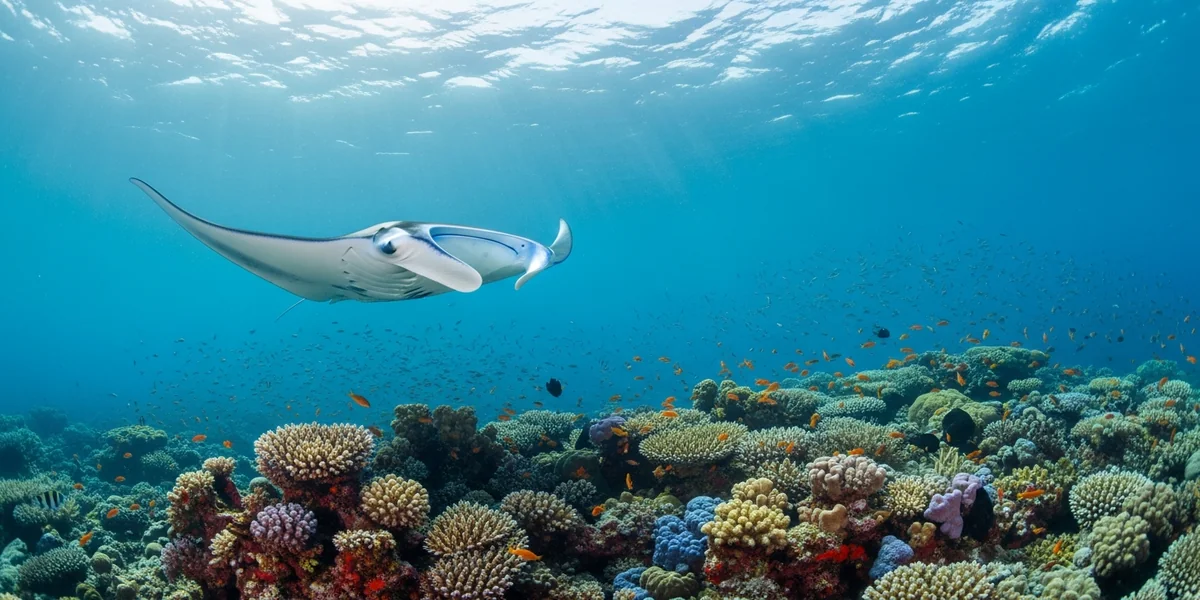
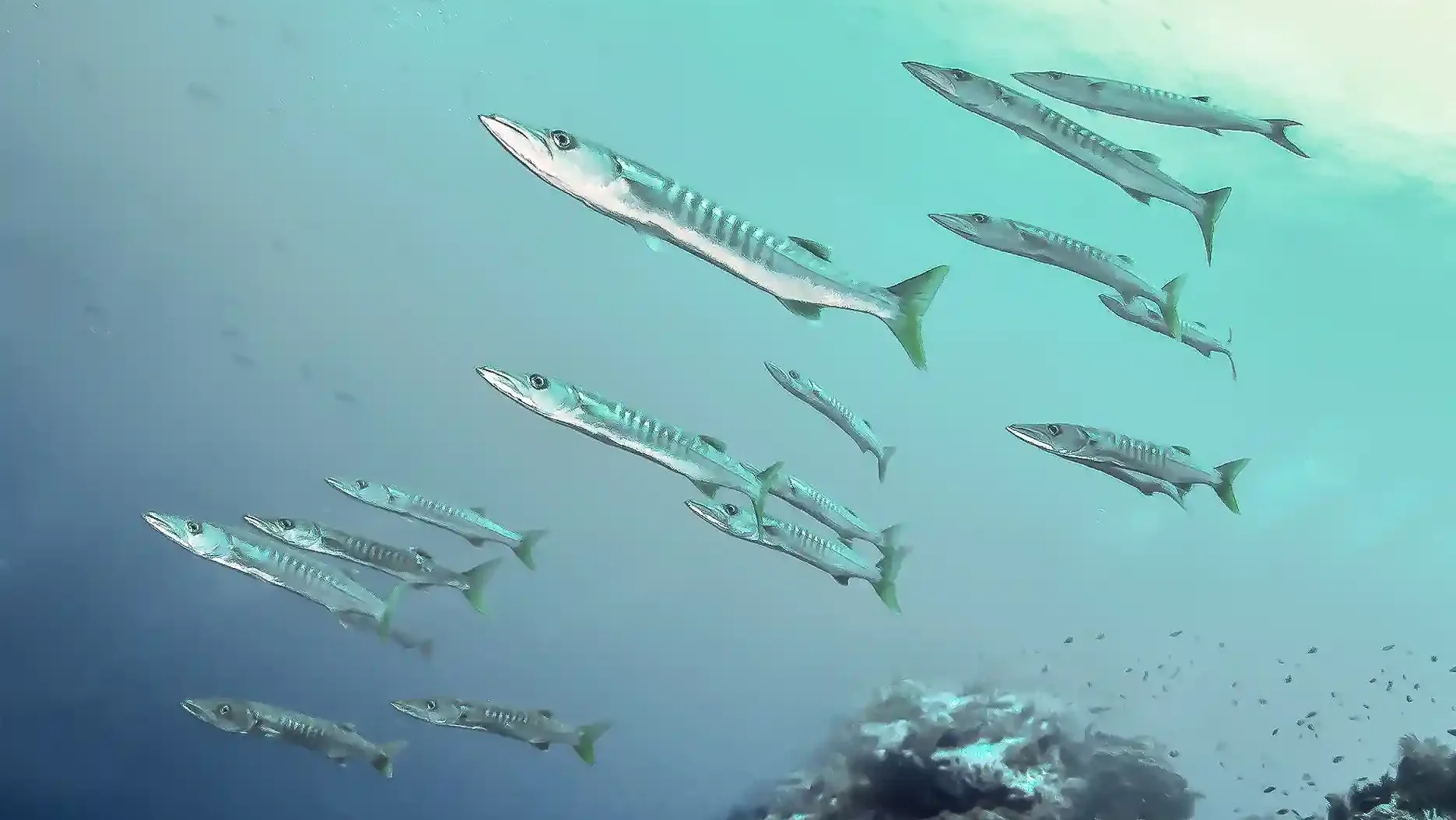
5–30 mRaja Ampat’s signature dive: manta rays circling a seamount while grey reef sharks patrol below and barracuda schools swirl overhead.
Cape Kri
3–35 mThe world record holder for fish diversity — 374 species documented on a single dive. Dense, chaotic, unforgettable.

Manta Sandy
10–18 mA reliable manta cleaning station. Sightings are near-guaranteed October through April.

Boo Windows
5–25 mDramatic swim-throughs draped in vibrant soft corals — the most photographed formation in Misool.
The Passage
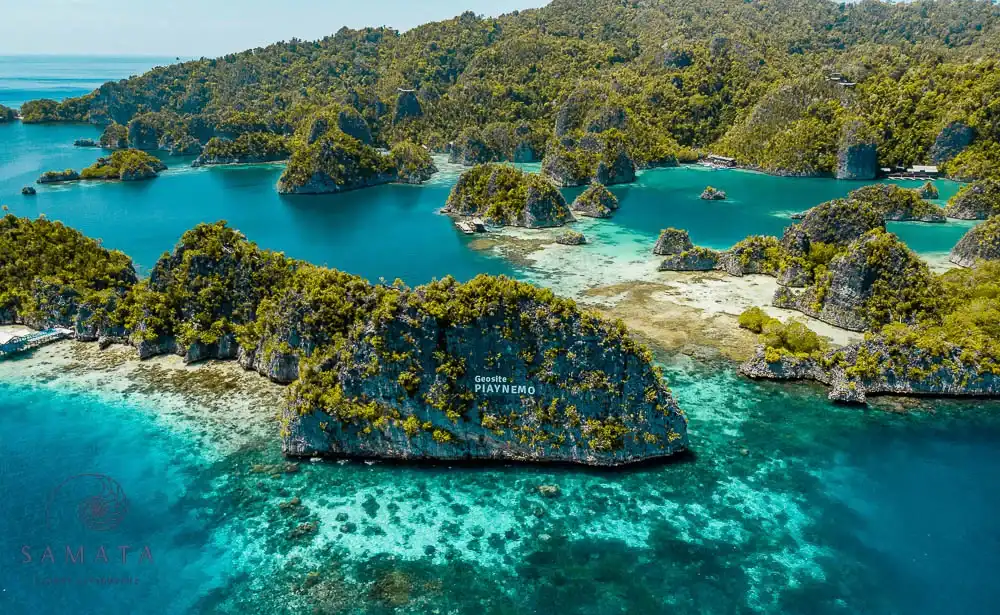
5–25 mA river-like channel between Waigeo and Gam. Drift through it on a tidal exchange and the reef feels like a jungle canopy.
Friwen Wall
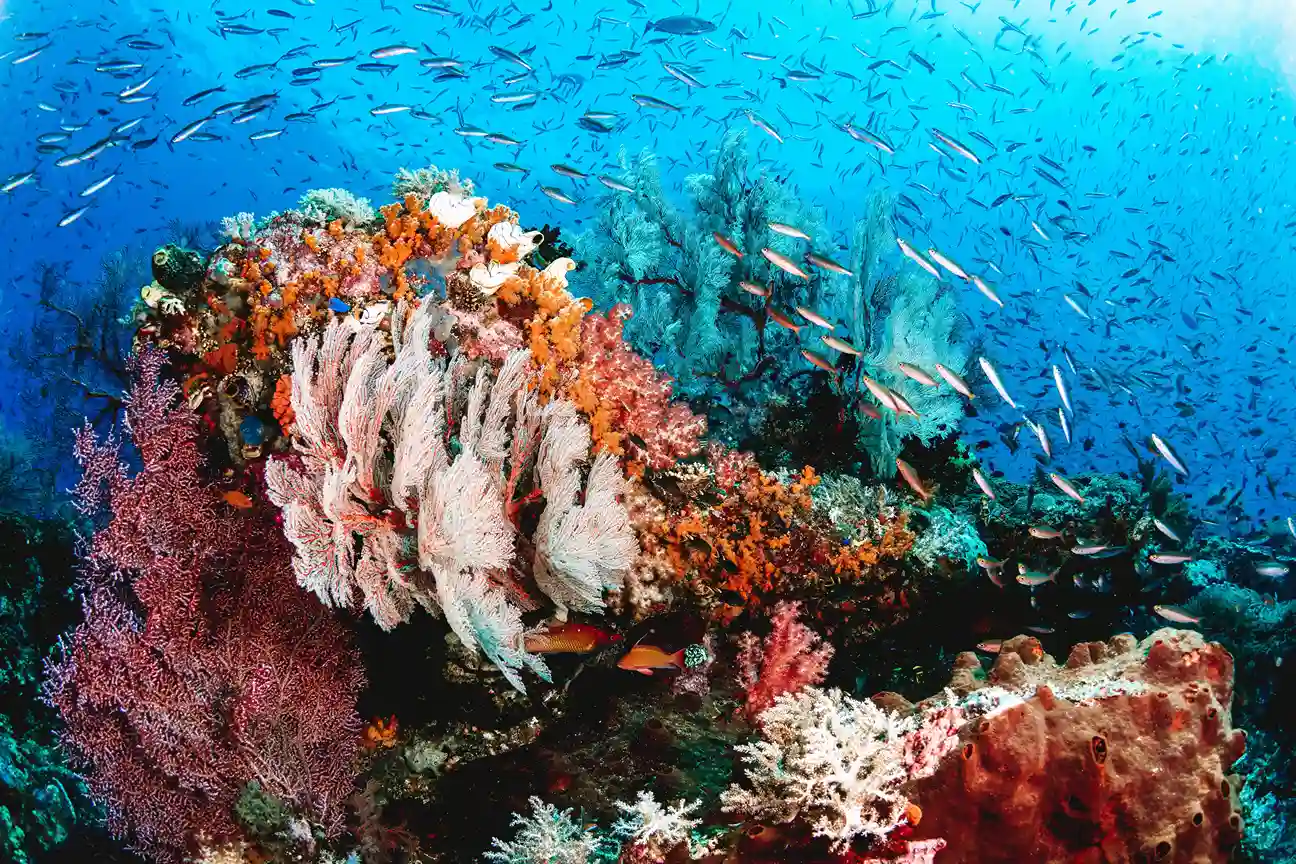
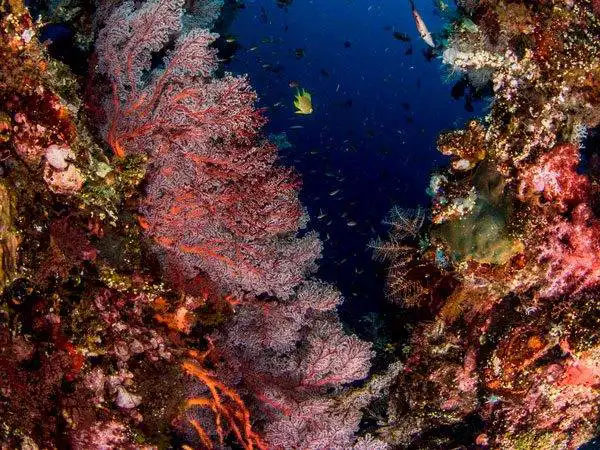
5–30 mA vertical wall carpeted in sea fans and soft corals. The macro dive that photographers ask to repeat.
Onboard
The Dive Deck,
Engineered
Everything on a purpose-built dive vessel exists to shorten the distance between waking up and breathing underwater.
Individual Gear Stations
A numbered crate, hanging space and bench position that stays yours for the entire charter.
Nitrox on Tap
Membrane or partial-pressure fill systems. Most sites sit at 15–30 m, where nitrox meaningfully extends bottom time.
Dedicated Camera Room
Individual workstations, dry towels, compressed air and enough charging points that nobody hunts for a socket.
Twin Dive Tenders
Small groups split across tenders, so briefings stay short and entries stay precise on drift sites.
Guides Who Live Here
PADI and SSI professionals with thousands of local dives — they read the tide tables before they read the itinerary.
The Vessels
Best Diving Liveaboards in Raja Ampat
 Dive-optimised
Dewi Nusantara
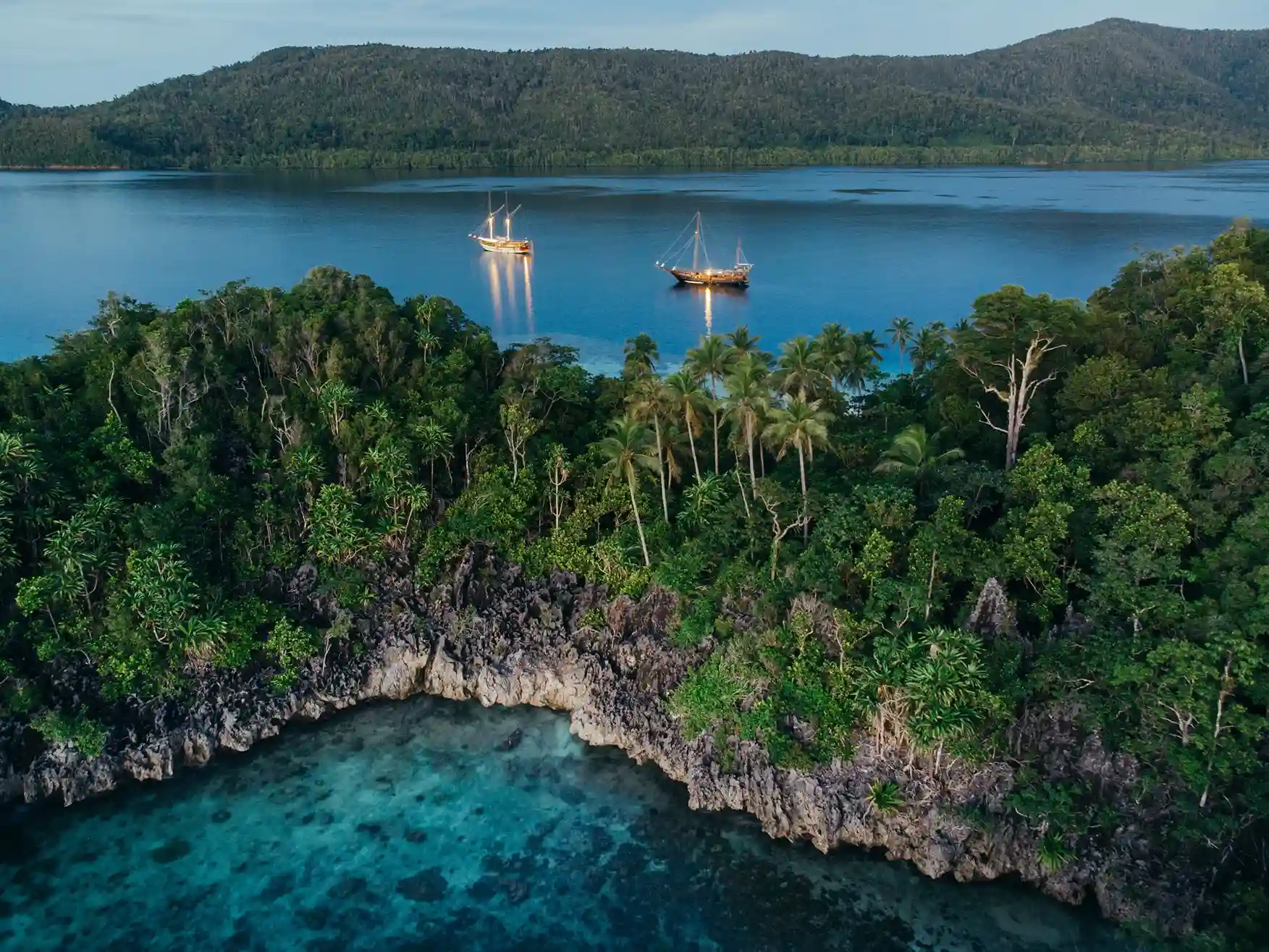
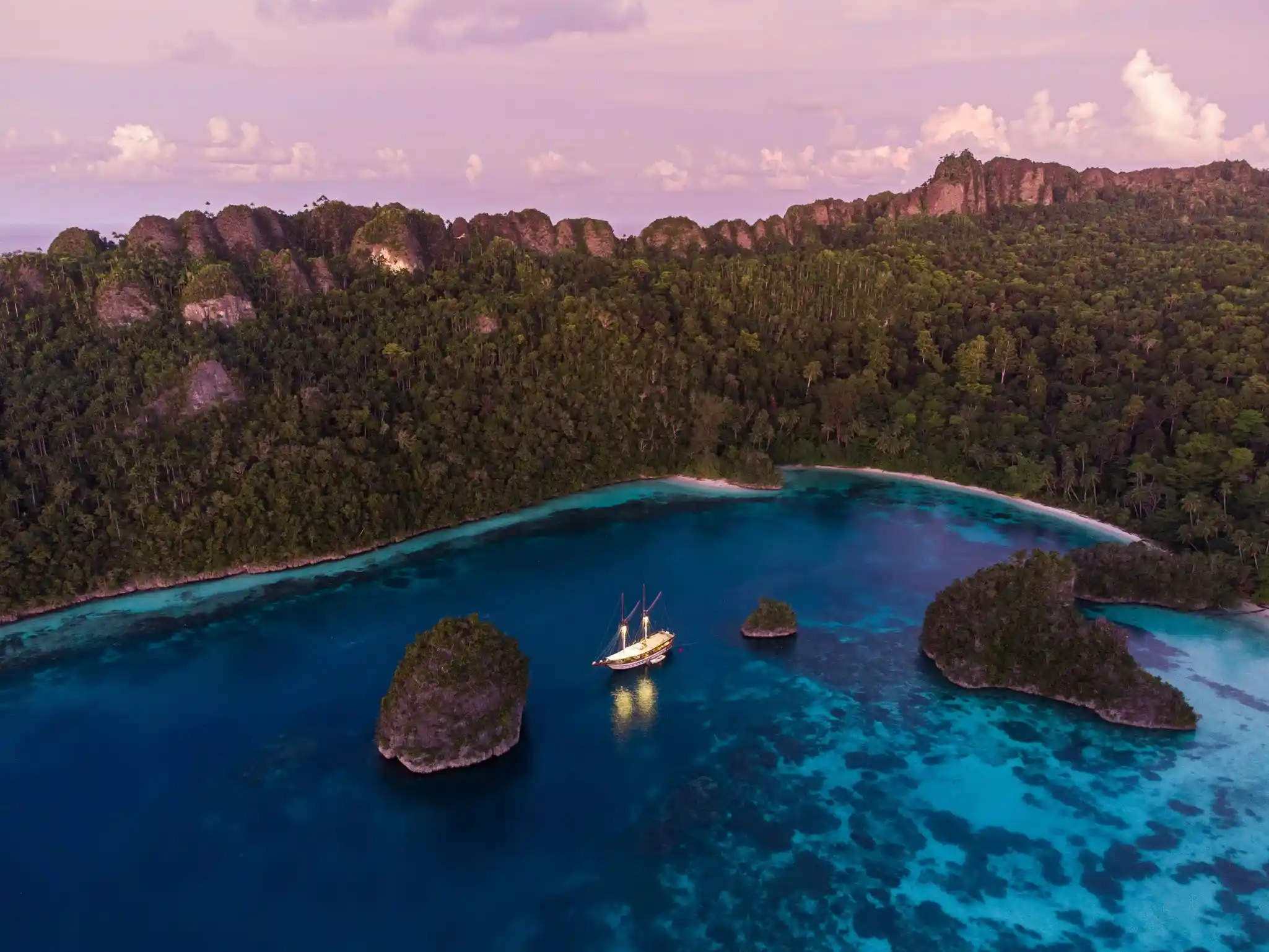
18 guests · 9 cabinsA 57-metre phinisi optimised specifically for serious divers: nitrox compressor, dedicated camera room with charging stations, and dive guides specialised in Raja Ampat’s premier sites.
View Vessel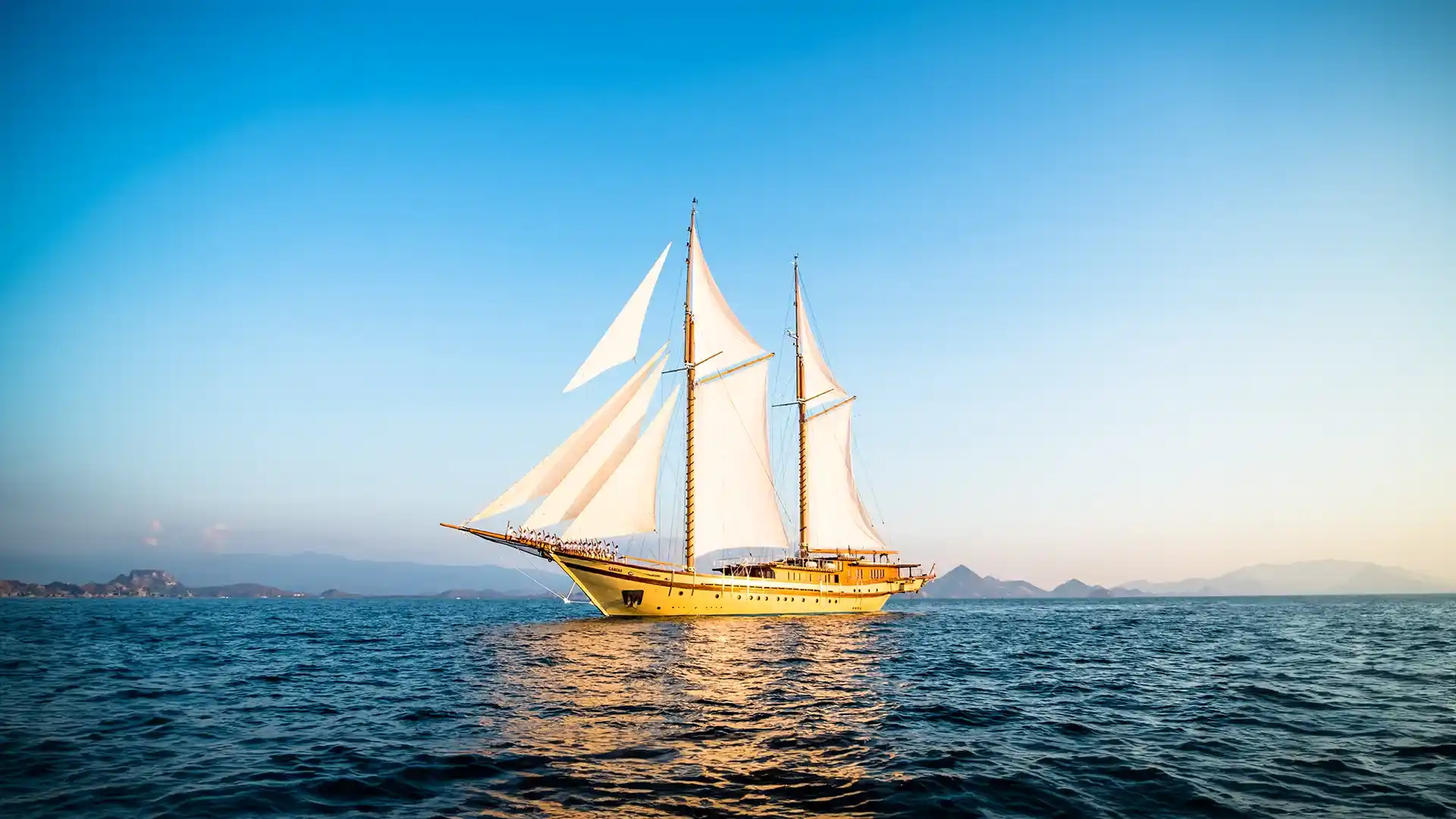 Flagship ultra-luxury
Lamima
14 guests · 7 suitesThe 65-metre flagship of the fleet, with a full dive room for equipment storage, charging and camera rinse — ultra-luxury without compromising the dive programme.
View Vessel Twin dive tenders
Sequoia
16 guests · 8 cabinsA 52-metre modern phinisi with two 8-metre custom dive tenders and a divemaster in permanent crew. Available for private charter or per-cabin booking from Sorong.
View VesselRascal, Amandira and Prana by Atzaró complete the fleet, each carrying a divemaster in permanent crew. Browse every vessel for full specifications, cabin plans and live availability.
View the Full Fleet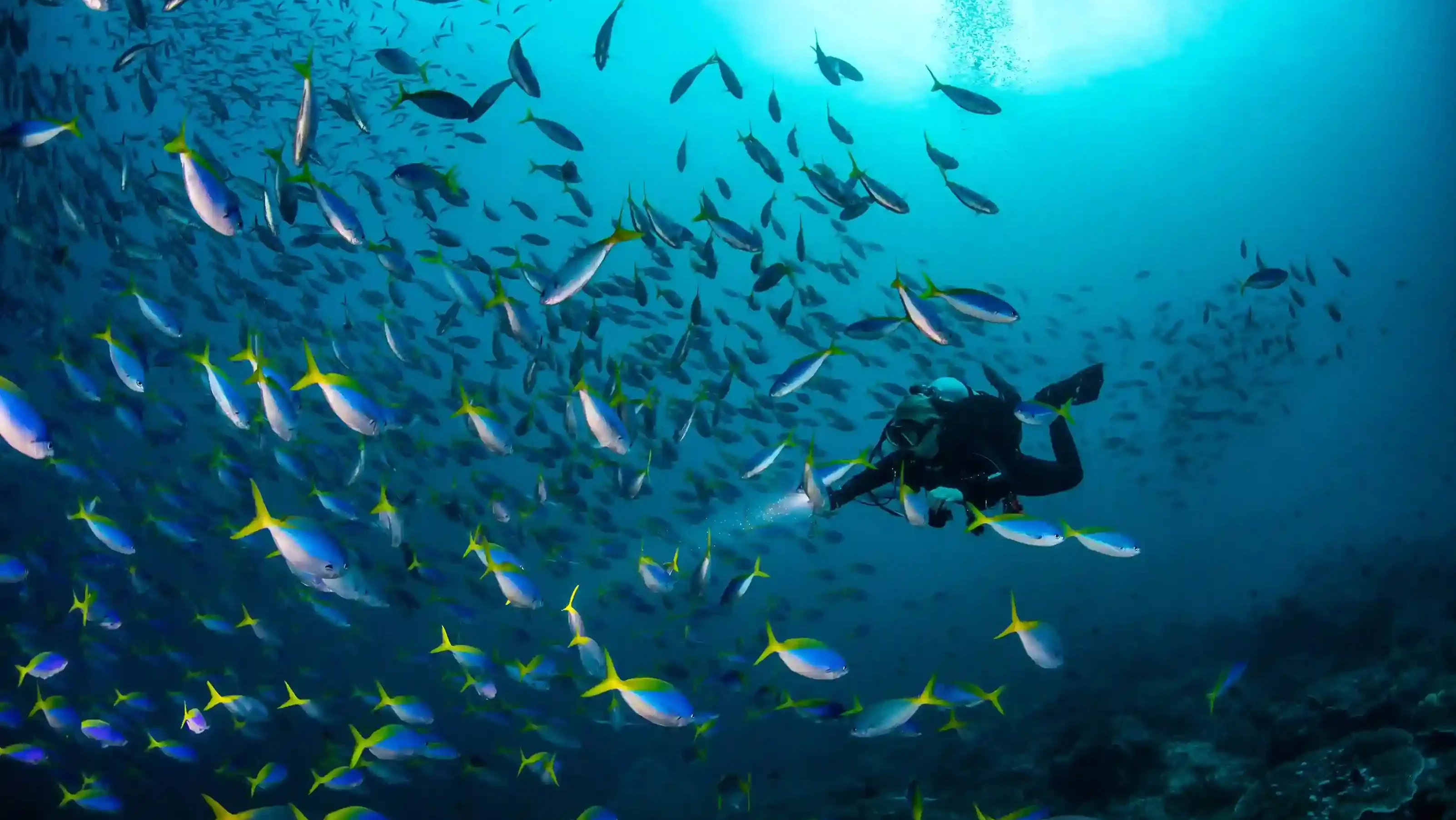
Before You Board
What Certification
Do You Need?
PADI Open Water (or equivalent) is the minimum. We strongly recommend Advanced Open Water — several signature sites run moderate to strong currents that reward confident drift technique.
Nitrox certification pays for itself here, and several vessels teach it onboard between dives. Non-diving companions are welcome on every vessel: Raja Ampat offers world-class snorkeling at virtually every dive site.
Per Person, 7 Nights
Diving Liveaboard Pricing
5-Day Discovery
Dampier Strait core sites — 14–16 dives, tanks, weights, guide
$2,600–$4,200
per person
7-Day Diving Expedition
Northern Raja Ampat greats — 20–24 dives, nitrox on most vessels
$3,500–$7,500
per person
10-Day Ultimate Explorer
North plus Misool’s pristine southern reefs — 30+ dives
$6,500–$10,000+
per person
Private Charter — Whole Vessel
Your group, your dive plan, your schedule for 7 nights
From $38,000
whole boat
All packages include diving (3–4 dives daily), tanks, weights and dive guide; nitrox is included on most premium vessels and charged at USD 100–150 per trip on the rest. Equipment rental is available fleet-wide. Marine park fees and international flights are separate.
Divers Ask
Frequently Asked Questions
Most diving liveaboards run 3–4 dives per day: an early morning dive, a mid-morning dive, an afternoon dive, and an optional night dive. Over a 7-day trip, expect 20–28 dives across 12–16 different sites.
Yes. Most premium liveaboards offer enriched air nitrox. Some include it in the package price, others charge USD 100–150 per trip. Nitrox certification is required, and several vessels can certify you onboard.
Water temperature ranges from 27–30°C (80–86°F) year-round. A 3 mm wetsuit is sufficient for most divers. Thermoclines can drop temperatures to 24°C at depth during upwelling events, so a 5 mm suit is recommended for deeper profiles.
Some of the best sites — The Passage, Blue Magic, Cape Kri — run moderate to strong currents on tidal exchanges. Advanced Open Water certification and around 25 logged dives make these comfortable rather than stressful. Guides brief every entry and carry reef hooks and SMBs for the group.
Absolutely. Non-diving companions are welcome on every vessel. Raja Ampat offers world-class snorkeling at virtually every dive site, plus island walks, kayaking and viewpoint hikes while the dive group is below.
The season runs roughly October through April, with manta encounters most reliable in that window and the calmest seas from November to March. Premium vessels for peak dates are typically booked 9–12 months ahead.
Plan Your Dive Voyage
Book Your Diving Liveaboard
Share your certification level, logged dives, preferred dates and camera setup. We will match you to the right vessel and the right itinerary — not simply the one with space left.
Request Free QuoteContinue Exploring