
Home / Destinations / Triton Bay Kaimana
Raja Ampat + Triton Bay Kaimana Luxury Cruise 2026
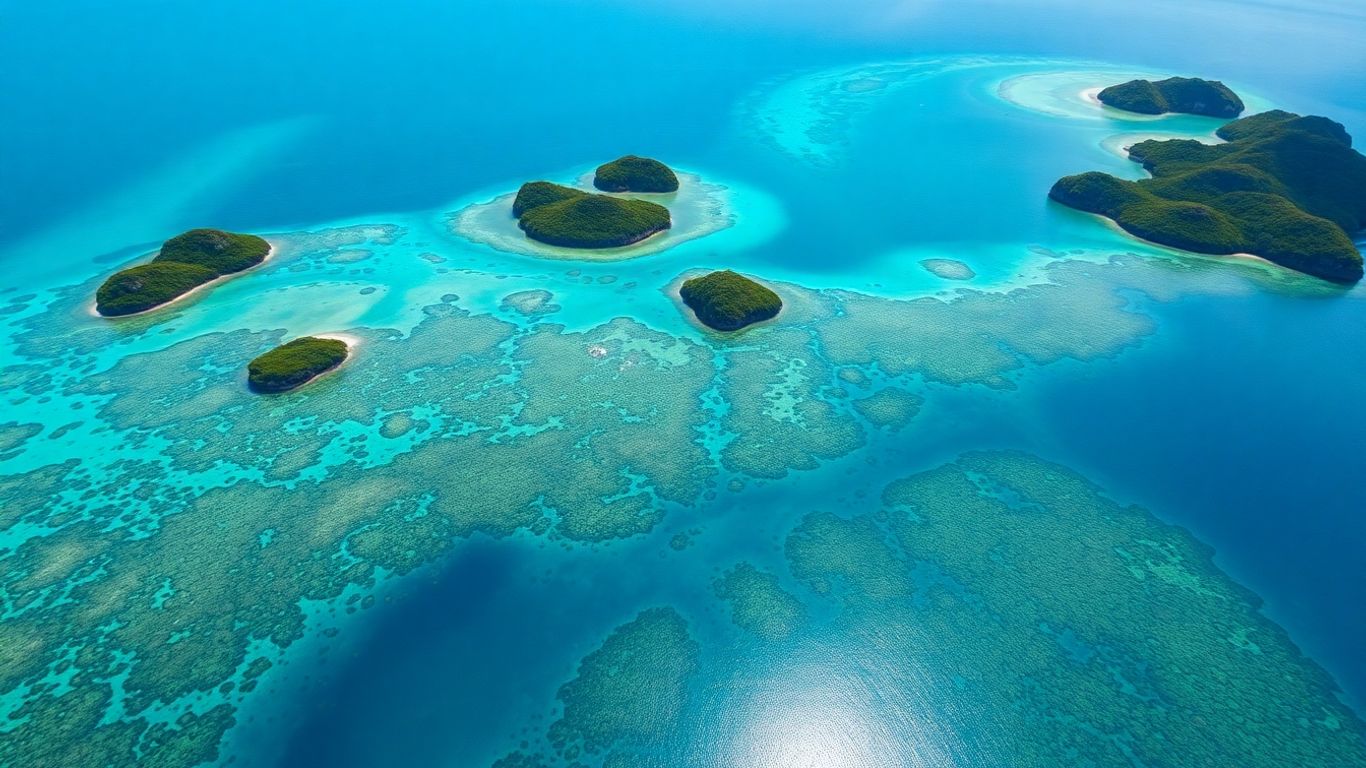
We combine Raja Ampat's iconic reefs with Triton Bay's pristine waters — wobbegong sharks, whale sharks, pygmy seahorses. One hour by plane from Sorong. 12 days. From $8,459/person in 2026.
Raja Ampat + Triton Bay Kaimana Luxury Cruise 2026
The water is so clear we can see to 40 meters without moving. Our captain cuts engines as a wobbegong shark glides past the hull. This is Triton Bay, and we've been running vessels here since 2012, watching it transform into what magazine editors now call "the next Raja Ampat." They're right. But Triton Bay isn't next — it's now.
What Makes Triton Bay Different From Raja Ampat in 2026?
Raja Ampat is world-class reef, but it's crowded. Triton Bay has zero cruise tourism infrastructure. Our boats are often the only vessels anchored in a lagoon for days. Wobbegong sharks rest on sand slopes at 12 meters. Whale sharks patrol June through September. We operate year-round.
| Feature | Raja Ampat 2026 | Triton Bay 2026 |
|---|---|---|
| Average Cruise Boats/Day | 8–12 | 0–2 |
| Whale Shark Season | Rare visits | June–September (reliable) |
| Wobbegong Density | Low | Very high |
| Pristine Coral Area (ha) | 5,000+ | 16,000+ |
| Accessibility | 3–4 hrs by ferry | 1 hr flight Sorong |
| Luxury Charter Price/Night | $3,000–4,500 | $2,800–4,200 |
Where is Kaimana, and Why Do We Route Through It?
Kaimana is the gateway town on West Papua's coast, 1 hour by charter flight from Sorong's airport. It's where our operators refuel, restock fresh fish, and pick up local guides who know where the critters hide. From there, Triton Bay is 2–3 hours by fast boat.
What's the 12-Day Itinerary Like?
Day 1 starts in Sorong. Transfer to charter vessel — typically a 30-meter phinisi or motor yacht — and motor to Kaimana to clear customs. Days 2–11 are Triton Bay. Day 12 is transit back to Sorong.
| Day | Location | Activities | Dives/Snorkels |
|---|---|---|---|
| 1 | Sorong → Kaimana | Arrival, customs clearance, settle vessel | — |
| 2–3 | Northern Triton Bay | Whale shark dives, pygmy seahorse hunts, night dives | 3 per day |
| 4–5 | Central Lagoons | Muck diving, flamboyant cuttlefish, critter photography | 2–3 per day |
| 6–7 | Southern Coral Gardens | Deep reefs, schooling rays, soft coral forests | 3 per day |
| 8–9 | Western Channels | Wobbegong hunts, drift dives, big fish action | 3 per day |
| 10 | Kaimana Approaches | Final dives, last snorkel, equipment check | 1–2 per day |
| 11–12 | Sorong → Home | Transit, airport transfers, departure | — |
How Does Triton Bay's Marine Life Compare to Raja Ampat?
Raja Ampat has breadth: 1,500+ fish species, giant clams, mantas, sharks. Triton Bay has depth. You'll see species that don't exist in Raja Ampat's reefs — flamboyant cuttlefish, hairy frogfish, rare nudibranches, and wobbegongs so docile you can photograph them at 2 meters.
What's the Luxury Accommodation Like on These Vessels?
Our charter fleet features 6–8 cabins, each with en-suite bathroom, air conditioning, and ocean views. Decks are teak with alfresco dining areas and a sundeck for stargazing. Cuisine is Indonesian-Western fusion. Wifi is limited — but that's the point.
When's the Best Time to Visit Triton Bay in 2026?
May–October is dry season: calm seas, 50-meter visibility, whale sharks reliable. November–April is wet season — still diveable, but whale sharks less predictable. June–August is peak demand.
What Certifications and Experience Do I Need?
Advanced Open Water minimum for dives below 30 meters. Snorkeling-only guests welcome. We track depth and bottom time; average is 25 minutes per dive, 3–4 dives daily for divers.
Insider Tip
The wobbegong season peaks June–August when visibility hits 50 meters AND whale sharks patrol the channels daily. We've logged 140+ wobbegong sightings in 2025 alone. Our fleet has 3 dedicated vessels and they're already 60% booked.
Insider Tip
Triton Bay's critter density rivals Lembeh, but without the hype. Hairy frogfish, flamboyant cuttlefish, rhinopia, and nudibranchs you won't find in Raja Ampat. Your images contribute to real marine science.
Quick Answers
Triton Bay + Raja Ampat — Frequently Asked Questions
Indonesian tourist visa (60 days visa-free for most nationalities, or 30-day visa-on-arrival). Our concierge team handles visa logistics at no charge.
From $8,459/person includes: vessel, meals, diving, local guides, fuel, airport transfers. Flights are separate (~$1,200–2,500 depending on origin).
Triton Bay's waters are calm May–September. We stock Dramamine and ginger patches. Our vessel's stabilizers reduce motion by 70%.
Yes. We allow personal cameras, strobes, and housings. We recommend dive insurance for expensive gear.
Maximum 12 guests per vessel; typical group is 8–10. Smaller groups mean more personalized guiding.
Our captains adjust dive sites within 2 hours. We retreat to sheltered lagoons for snorkel + muck dives. Cancellations are rare.
Absolutely. Snorkeling-only guests join 100% of trips. Day rates for snorkelers are 60% of diver rates.
Ready to Explore Triton Bay?
Wobbegong sharks. Whale sharks. Pristine coral gardens. The next frontier in luxury Indonesia diving.
Inquire About 2026 DatesExplore More
Explore More Luxury Raja Ampat Experiences
Continue exploring: yacht charter · luxury cruise · diving experiences · destinations
Ready to plan? book your voyage