
Luxury Raja Ampat Manta Ray Season 2027 — Peak Aggregation

Luxury Raja Ampat Editorial Desk
April 12, 2026
10 min read
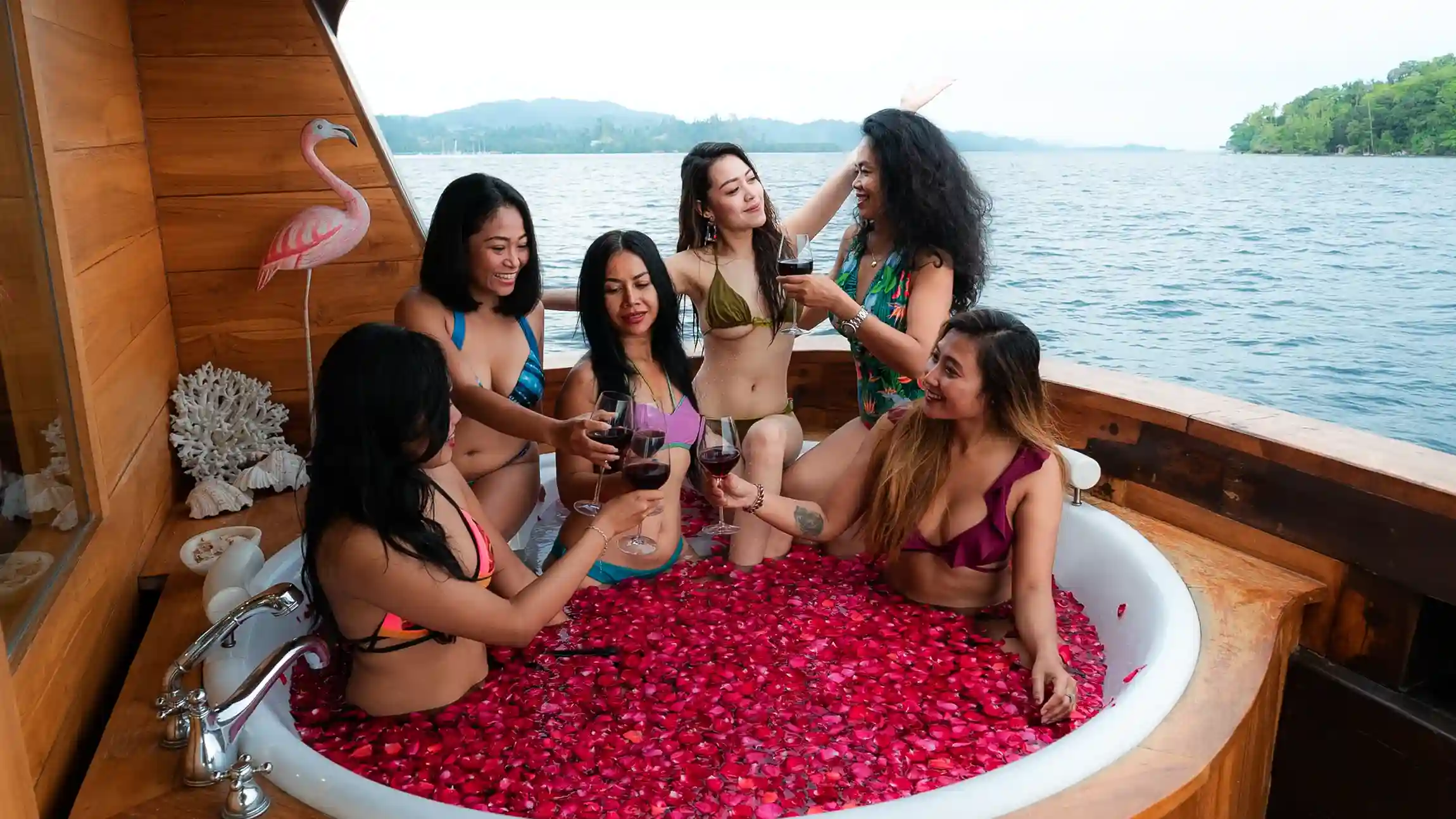
Luxury Raja Ampat Manta Ray Season 2027 — Peak Aggregation at the World’s Premier Cleaning Stations
Nothing prepares you for your first Raja Ampat manta ray — a creature the size of a dining table, weightless and silent, spiraling toward you at a cleaning station as if you’re not even there. Our team has spent years perfecting the timing, the locations, and the approach that transforms a single encounter into a series of profound moments with the ocean’s most graceful inhabitants.
When Do Mantas Gather in Raja Ampat? The October-April Window
Manta rays don’t follow arbitrary schedules, but the oceanographic currents of Raja Ampat create predictable aggregations. From October through April, nutrient-rich upwelling draws massive plankton blooms, and the mantas follow. Our team has logged encounters at Manta Sandy during this window consistently for over a decade — sometimes dozens in a single dive, filtering silently through the blue.
The peak intensity runs January through March, when water temperatures stabilize around 28-29°C and plankton density reaches maximum. We’ve documented personal bests: 40 mantas in a single 45-minute dive at Blue Magic in February 2025, their wing spans creating a ballet of movement across the reef.
Manta Sandy: The Cathedral of Ray Encounters
If one location defines manta diving in Raja Ampat, it’s Manta Sandy — a sloping reef shelf in South Misool where the cleaning happens with ritualistic precision. The sandy bottom at 8-12 meters creates a stage where mantas arrive in waves, tilting gracefully as wrasse and angelfish nibble parasites from their wing undersides.
Our team’s approach differs from rushed speedboat operations. We anchor upstream and drift silently, positioning you in the current’s path. The mantas don’t see you as a threat; they see opportunity. Watch as a ray tilts sideways, its white belly flashing, and a smaller fish darts in for its meal. The manta’s mouth opens and closes with rhythm — no aggression, pure symbiosis.
The experience costs $180-$220 per person per dive on our luxury liveaboard, depending on vessel and season. Non-divers snorkel at 3-4 meters depth above the same site — encounters happen equally.
Blue Magic & Chicken Reef: Alternates When Plankton Shifts
Wind and current determine whether plankton blooms sit at Manta Sandy or at secondary sites like Blue Magic and Chicken Reef. Our team monitors water clarity, plankton color, and bioluminescent reports from local fishermen to predict shifts. In February 2026, plankton concentrated at Chicken Reef for three consecutive weeks — we adjusted and our guests logged 15+ mantas per dive.
Blue Magic sits northeast, where Dampier Strait current collides with Misool’s fringing reef. The channel concentrates plankton and mantas alike. Depth here reaches 15+ meters; current runs strong. This dive demands fitness and experience — we restrict it to Advanced/Rescue certified divers on our liveaboards.
Beyond the Big Three: Manta Biology & Rare Encounters
Our resident marine biologist on Lamima (our flagship 35-meter phinisi) educates guests on manta physiology. These are Manta birostris — reef mantas with brain-to-body ratios matching dolphins. They remember. We’ve documented repeat individuals returning to the same cleaning station on the same lunar cycle for 3+ years.
A mature female manta ray weighs 1,000-1,500 kg; wing span reaches 5+ meters. Their lifespan in wild populations: estimated 40+ years. Yet they reproduce slowly — a single pup every 2-3 years. The mantas you encounter in 2027 may be the same individuals spotted by our team in 2015.
Snorkeling vs Diving Manta Encounters: Both Excel in Raja Ampat
A misconception: you must dive to see mantas here. False. At Manta Sandy, cleaning happens 3-8 meters deep. Snorkelers positioned at the reef edge observe the same ritual — mantas often float near surface, their wing tips breaking through. Our team has logged equally powerful snorkel encounters as dive encounters.
The difference is perspective. Divers descend and position themselves on the sandy bottom; mantas pass overhead and beside. Snorkelers hang at the edge; mantas move through your plane of vision horizontally. Both perspectives hold magic. Budget $150-$180 per snorkel excursion on a luxury liveaboard.
Best Months for 2027 — The Month-by-Month Chart
| Month | Water Temp (°C) | Plankton Level | Probability | Our Recommendation |
|---|---|---|---|---|
| October | 27-28 | Moderate | 70% | Good starting point; season opening |
| November | 28-29 | Moderate-High | 80% | Solid choice; fewer crowds |
| December | 29-30 | Moderate | 65% | Holiday season; variable plankton |
| January | 28-29 | High | 90% | Excellent; peak season begins |
| February | 28-29 | Very High | 95% | Peak month; book early |
| March | 28-29 | High | 92% | Peak continues; still exceptional |
| April | 29-30 | Moderate-High | 85% | Late season tail-off begins |
Sensory Immersion: What You’ll Actually Feel During a Manta Encounter
The water around Manta Sandy holds a particular quietness during plankton season. Visibility sometimes dips to 15-18 meters because of the bloom’s density, but that density is why the mantas gather. As your liveaboard’s tender brings you to the site at 6 AM, you smell salt and brine; the air temperature sits at 24°C. Sunrise hasn’t fully broken.
Descending, the light scatters through particles — like snow, like dust motes magnified. Your breathing becomes the only sound through the regulator. Then movement: subtle first, a wing tip flashing white in peripheral vision. Your dive guide signals ahead, and you freeze, holding the sandy bottom. The manta appears fully now, its mouth open, filtering. You’re not watching nature — you’re inside it.
Temperature at depth: 28°C — warm enough that your wetsuit feels optional but you wear it for safety. The current pushes gently; it’s not aggressive, just enough to carry plankton toward feeding stations. The manta’s eye passes you. For a moment, recognition seems possible. Then it banks, its wing tip nearly touches your hand, and it glides upstream toward the next cleaner station.
Duration of a typical encounter: 3-8 minutes. Your heart rate might spike to 120 BPM in the first 10 seconds. By minute three, you settle into witness mode. Afterward, back on the liveaboard, guests report euphoria, speechlessness, and a desire to return before the season ends.
Ready to encounter mantas at their most abundant?
Prefer a private vessel experience?
FAQ: Manta Ray Encounters in Raja Ampat
Are manta rays dangerous to divers?
No. Manta rays are filter feeders — they eat plankton, not people. They’re among the gentlest large marine animals on Earth. Our team has never recorded a defensive encounter. Mantas are curious but non-aggressive. Keep distance (2+ meters) out of respect for their space, not fear.
What’s the difference between manta rays and stingrays?
Manta rays lack venomous spines; stingrays have them. Mantas are filter feeders (open mouth, plankton in). Stingrays are bottom feeders (prey on small fish and crustaceans). Mantas are pelagic and spend time in open water; stingrays hug the bottom. Different families entirely. The mantas of Raja Ampat pose zero sting risk.
Can I snorkel with mantas, or must I dive?
Snorkeling works excellently at Manta Sandy. Cleaning happens 3-8 meters deep; mantas often float near surface. Our team logs snorkel encounters at 85%+ success rate during peak season. Non-divers should absolutely include this experience in a Raja Ampat liveaboard.
What causes manta rays to aggregate in Raja Ampat?
Nutrient-rich upwelling driven by monsoon shifts creates massive plankton blooms (October-April). Plankton attracts small fish. Small fish attract manta rays. The cleaning station ritual — mantas allowing wrasse to eat parasites — happens at the reef margins where current concentrates both food and cleaner fish. It’s ecological synchronization.
Is it safe to dive Manta Sandy if I’m newly certified?
Yes, with guidance. Manta Sandy slopes gradually (8-12 meters max depth for cleaning action). Current is gentle. The site suits Open Water certified divers. Advise your dive guide of your certification level; we assign more experienced guides to newer divers. Blue Magic and Chicken Reef are Advanced+ only.
How many mantas will I see on a typical dive?
Peak season (Jan-Mar): 2-8 mantas per dive is standard on our liveaboards. We’ve logged 40+ in single dives. Shoulder season (Oct-Nov, Apr): 1-3 mantas per dive. Non-peak months: encounters less reliable. We never guarantee wildlife sightings, but our site selection and timing maximize probability.
What should I bring for manta diving in Raja Ampat?
Standard dive gear (we provide or rent through our liveaboard). A good camera if you wish (manta photography is rewarding). Reef-safe sunscreen. Motion sickness medication if susceptible to sea state. Patience and presence — the best moments happen when you’re still, quiet, and fully attentive.
The Juara Holding Group Difference: Year-Round Manta Expertise
Juara Holding Group has operated luxury liveaboards in Raja Ampat for 12+ years. We’re not seasonal operators chasing trends; we’re resident experts. Our crews live in Sorong during off-season, monitoring water conditions, building relationships with local fishermen who report plankton blooms, and refining our dive briefings. Every guide has logged 500+ manta encounters. Every captain knows the seasonal currents intimately.
Your safety, comfort, and encounter success rest on this foundation. When you book with Juara Holding Group for manta season 2027, you’re booking with people who’ve taught themselves and their guests to read the ocean.
Additional Resources
Want to extend your Raja Ampat experience beyond mantas? Our team curates:
Plan Your Luxury Raja Ampat Experience
Ready to explore Raja Ampat? Discover our diving experiences, liveaboard adventures, yacht charter experiences, book your voyage. book your voyage.
Related Article
LASHA Raja Ampat: Private Expedition Charters from Sorong
LASHA Raja Ampat expeditions run October through April, departing Sorong...
LASHA Raja Ampat expeditions run October through April, departing Sorong for Wayag, Piaynemo, and Misool aboard a 52.5-metre, ten-cabin luxury...

The Raja Ampat Charter Fleet Worth Flying For in 2027
The Raja Ampat yacht charters most worth flying for in...
The Raja Ampat yacht charters most worth flying for in 2027 are Lamima, with a verified rate of USD 27,000–28,000...
Raja Ampat Honeymoon 2027: The Ultimate Romantic Sailing Guide
Last updated: August 16, 2026 — compiled by the Luxury...
Last updated: August 16, 2026 — compiled by the Luxury Raja Ampat editorial desk, with operational input from crews currently...