
Luxury Raja Ampat January 2027 — Peak Season Crown Jewel

Luxury Raja Ampat Editorial Desk
April 12, 2026
9 min read

Luxury Raja Ampat January 2027 — Peak Season Crown Jewel
January represents something extraordinary in Raja Ampat’s annual diving calendar. Our team at Juara Holding Group has observed that January combines several factors that create the ultimate luxury diving experience: post-holiday operator enthusiasm, peak marine life presence, optimal visibility, calm seas, and relatively smaller crowds than December holidays.
If you’re considering a luxury liveaboard in Raja Ampat, January 2027 offers conditions that justify the premium pricing and justify the commitment to this remote Indonesia destination.
Why Is January the Crown Jewel of Peak Season?
Peak season technically runs November through March, but January occupies a unique position. December sees maximum holiday demand and premium pricing. By January, Christmas guests have departed, operators have completed maintenance cycles, and crew members have returned refreshed from brief breaks.
This timing creates our sweet spot: premium conditions, professional operations, and slightly better availability than December’s sold-out situation. Water temperature remains warm at 28-29°C. Rainfall is moderate compared to early season. Manta rays continue their January migration through the passages.
From visibility to marine life encounters to operational excellence, January 2027 captures peak season at its optimal expression.
What Marine Life Encounters Should You Expect?
January is manta season. These gentle giants migrate through Raja Ampat’s channels during austral summer, feeding on plankton blooms. Our team encounters mantas on approximately 60-70% of dives during January—far exceeding other months.
Sharks remain abundant: wobbegongs patrolling sandy bottoms, reef sharks cruising blue water, and occasional hammerheads at deeper sites. Macro life flourishes—nudibranchs, seahorses, and intricate crustaceans populate every reef crevice.
Schooling fish create visual intensity that simply cannot be photographed adequately. Seeing carapus snappers, anthias swarms, and giant trevally in their natural behavior requires personal experience. Videos and images fail to capture the scale and dynamism.
Turtle encounters occur regularly. Both green and hawksbill species inhabit Raja Ampat’s reefs. January observances often feature turtles exhibiting feeding and resting behavior across multiple dives.
How Does 25+ Meter Visibility Transform the Diving Experience?
January’s visibility typically ranges 20-30 meters, with some dives exceeding 35 meters. This extraordinary clarity fundamentally changes how you experience underwater landscapes. Instead of focusing narrowly on reef structure immediately before you, visibility extends into distant blue water.
You observe shark behavior from 40+ meters away, watching natural predator-prey dynamics unfold. Large pelagics become visible minutes before encounter, allowing you to position for observation rather than being surprised. Reef formations reveal their geological context—dramatic walls extending into void, architectural complexity that inspires genuine awe.
Underwater photography transforms with extended visibility. Wide-angle compositions become meaningful. Subjects positioned 10-15 meters away remain visually sharp. Lighting at depth reaches subjects with full color saturation rather than requiring artificial lighting for most reef photography.
For divers without underwater photography interests, clarity simply means comfort and confidence. Breathing becomes rhythmic rather than anxious. Navigation feels intuitive. The experience becomes about connection rather than navigation challenge.
What Are the Weather and Sea Conditions in January?
January experiences calm to moderate seas with occasional passing showers—nothing approaching typhoon season’s intensity. Morning dives typically feature glass-smooth conditions. Afternoon sea state may build slightly, but rarely creates operational challenges for luxury vessels.
Water temperature sits consistently at 28-29°C throughout January. Our team often recommends 3mm wetsuits for thermal comfort, though some divers skip suits entirely. Thermocline is minimal—you’ll maintain consistent comfort throughout water column.
Rainfall patterns mean occasional wet-weather hours, but these typically pass quickly. The experience between dive operations involves relaxation on shaded deck areas with refreshments, not weather stress.
January offers optimal balance between peak season condition intensity and operational reliability that distinguishes luxury operation.
Which Premium Operators Depart in January 2027?
Backscatter Samambaia, our partner vessel, offers two January 2027 departures: January 4-15 and January 17-28. Both departures maintain availability as of current booking. These are 12-day liveaboards featuring eight diving days, exceptional cuisine, and conservation programming aligned with Juara Holding Group’s values.
Wallacea Seahorse departs January 25, 2027, offering 10-day programming focused on macro diving and critter encounters. This vessel appeals to advanced photographers and naturalists seeking specialized marine life focus.
Both operators maintain premium cabins starting at approximately $5,000-$6,500 USD for the liveaboard (excluding flights, transfers, and conservation fees). Suite cabins reach $8,000-$10,000+ USD depending on specifications.
| Vessel | Departure | Duration | Base Price Range | Specialization |
|---|---|---|---|---|
| Backscatter Samambaia | Jan 4-15, 2027 | 12 days | $5,500-$7,800 | Full spectrum diving & photography |
| Backscatter Samambaia | Jan 17-28, 2027 | 12 days | $5,500-$7,800 | Full spectrum diving & photography |
| Wallacea Seahorse | Jan 25, 2027 | 10 days | $5,200-$7,200 | Macro & critter specialization |
How Does the Conservation Fee Structure Work?
Our commitment to sustainable operations includes a transparent conservation fee of IDR 1.7 million per person (approximately $110 USD). This fee directly supports reef restoration programs across Raja Ampat, with documented impact allocation.
Approximately 40% funds active coral restoration and monitoring. 30% supports marine biologist salaries conducting field research. 20% supports indigenous environmental leadership programs. 10% provides monitoring equipment and impact documentation systems.
You receive post-visit reporting showing exactly how your fee advanced conservation work, including GPS coordinates of monitored reef areas and before/after documentation.
What Activities Complement the Diving Schedule?
Liveaboard operations include guided snorkeling at shallow sites, evening presentations from marine biologists on deck, and evening social programming fostering diver community. Many vessels offer underwater naturalist briefings explaining behavior, ecology, and identification of species you’ll encounter.
Sorong town offers pre/post-trip experiences including the Sorong Raja Ampat Museum, Yenbeser Island day trips, and forest walks through lowland rainforest. Our Juara Holding Group team arranges cultural visits to traditional communities practicing sustainable fishing and marine stewardship.
Why Book January 2027 Now?
Peak season operates on availability-based dynamics. While January offers better availability than December, premium cabin locations and preferred departures sell consistently through the final quarter. Booking within the next 60 days ensures optimal cabin selection and guarantees your preferred departure date.
Early booking also allows time for visa processing, dive certification updates, and logistical planning for this remote destination.
Ready to experience January’s crown jewel? Our team guides luxury divers through Raja Ampat planning daily.
Explore Luxury Liveaboard OptionsFAQ
Is January suitable for recreational divers or advanced divers only?
January welcomes all certification levels. Sites are carefully selected to match group experience. Operators run separate dive groups allowing recreational divers to experience the same marine life at appropriate depths and complexities.
What is included in the liveaboard price versus additional costs?
Liveaboard pricing includes accommodations, meals, diving operations, guide services, and equipment rental if needed. Not included: international flights, airport transfers, visa processing, travel insurance, tips/gratuities, conservation fees, and optional activities in Sorong.
How physically demanding is January liveaboard diving?
Most diving occurs from a boat—minimal physical exertion. Divers enter water from boat platforms, return to boat assistance. Individuals with mobility limitations should discuss specific needs with vessel operators before booking.
Can I photograph underwater in January conditions?
Absolutely. January visibility and marine life density create ideal photography conditions. Many divers hire underwater photographers or attend camera coaching sessions. Vessel lighting systems support evening macro photography on deck.
What if I’m traveling solo or with a single partner?
Vessels accommodate solo and paired travelers. Most departures include other guests creating natural social community. Evening dining and briefings facilitate social connection, though privacy is absolutely respected.
Does January require special training or certifications?
Your basic Open Water certification (or equivalent) suffices for recreational diving. Advanced certifications enable deeper sites and specialized specialty dives. Vessel operators verify certification during check-in and adjust site selection accordingly.
Questions about January 2027 luxury diving? Connect with our Juara Holding Group specialists.
Start Your Planning ConversationContent by Juara Holding Group luxury travel specialists. January 2027 liveaboard planning begins with understanding peak season dynamics and available vessel options.
Plan Your Luxury Raja Ampat Experience
Ready to explore Raja Ampat? Discover our Luxury Raja Ampat, yacht charter experiences, luxury cruise, diving experiences. book your voyage.
Related Article
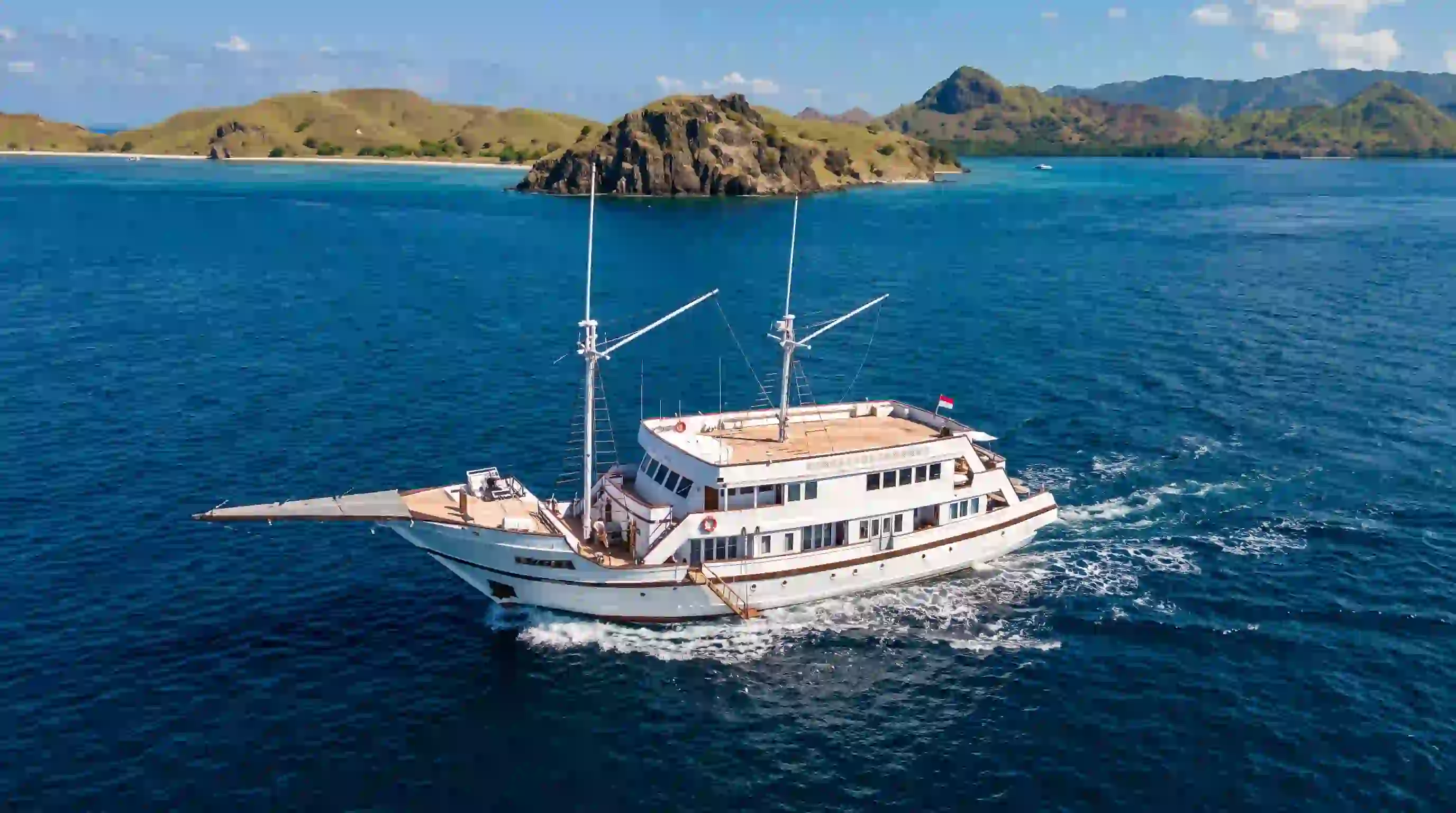
LASHA Raja Ampat: Private Expedition Charters from Sorong
LASHA Raja Ampat expeditions run October through April, departing Sorong...
LASHA Raja Ampat expeditions run October through April, departing Sorong for Wayag, Piaynemo, and Misool aboard a 52.5-metre, ten-cabin luxury...
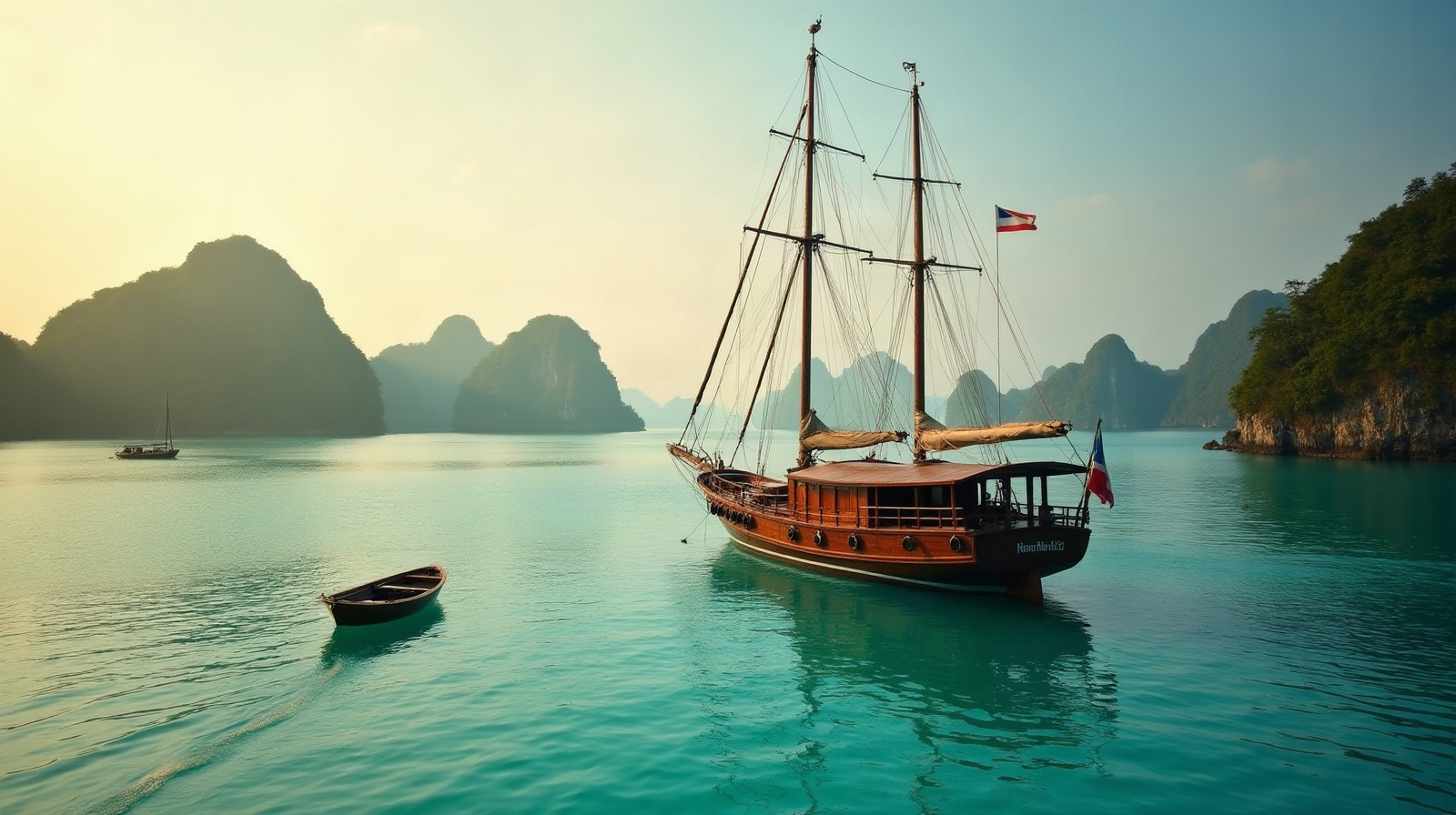
The Raja Ampat Charter Fleet Worth Flying For in 2027
The Raja Ampat yacht charters most worth flying for in...
The Raja Ampat yacht charters most worth flying for in 2027 are Lamima, with a verified rate of USD 27,000–28,000...
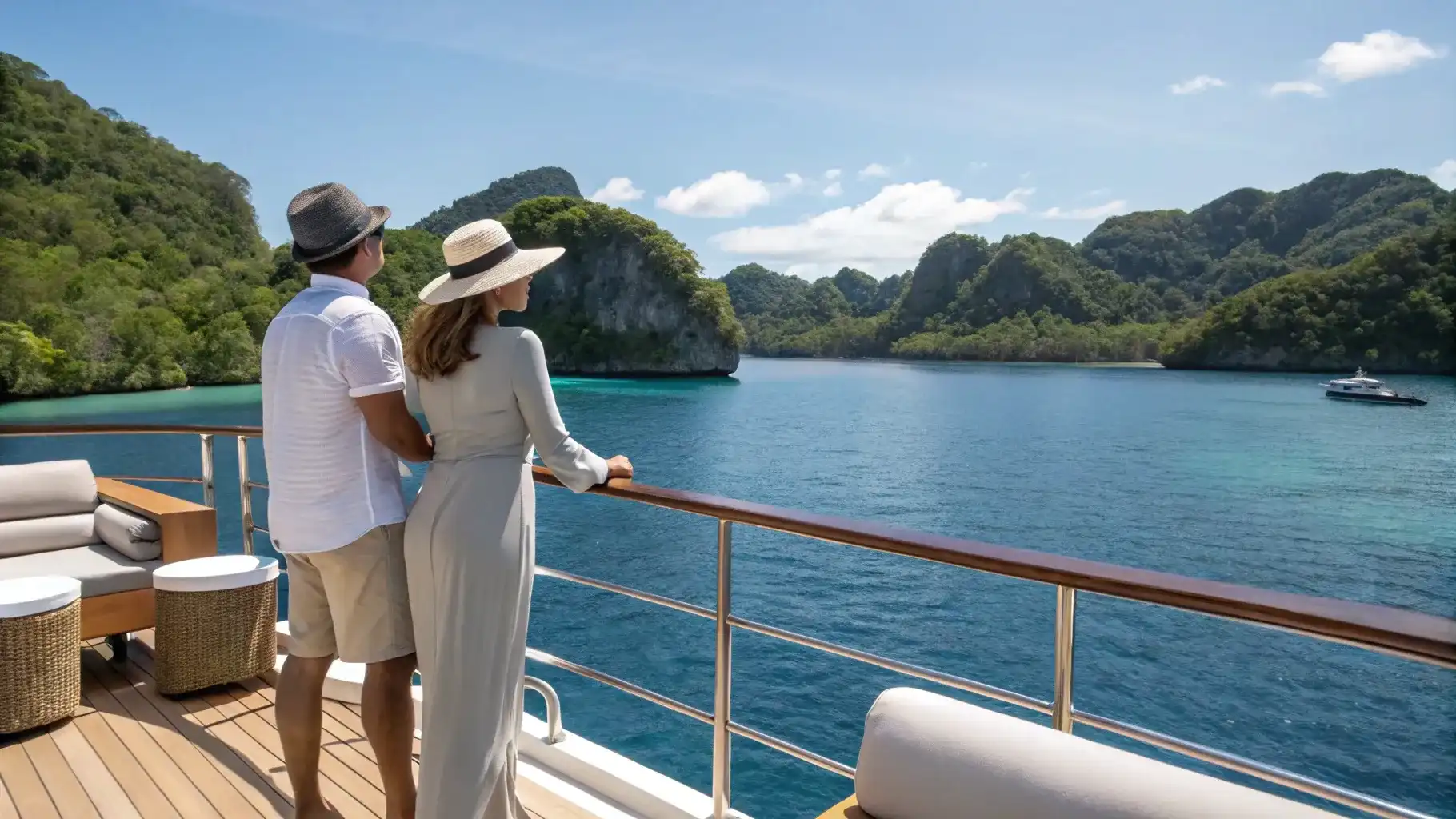
Raja Ampat Honeymoon 2027: The Ultimate Romantic Sailing Guide
Last updated: August 16, 2026 — compiled by the Luxury...
Last updated: August 16, 2026 — compiled by the Luxury Raja Ampat editorial desk, with operational input from crews currently...