
Best Diving Sites in Raja Ampat — The Complete Luxury Guide 2026

Luxury Raja Ampat Editorial Desk
April 12, 2026
24 min read
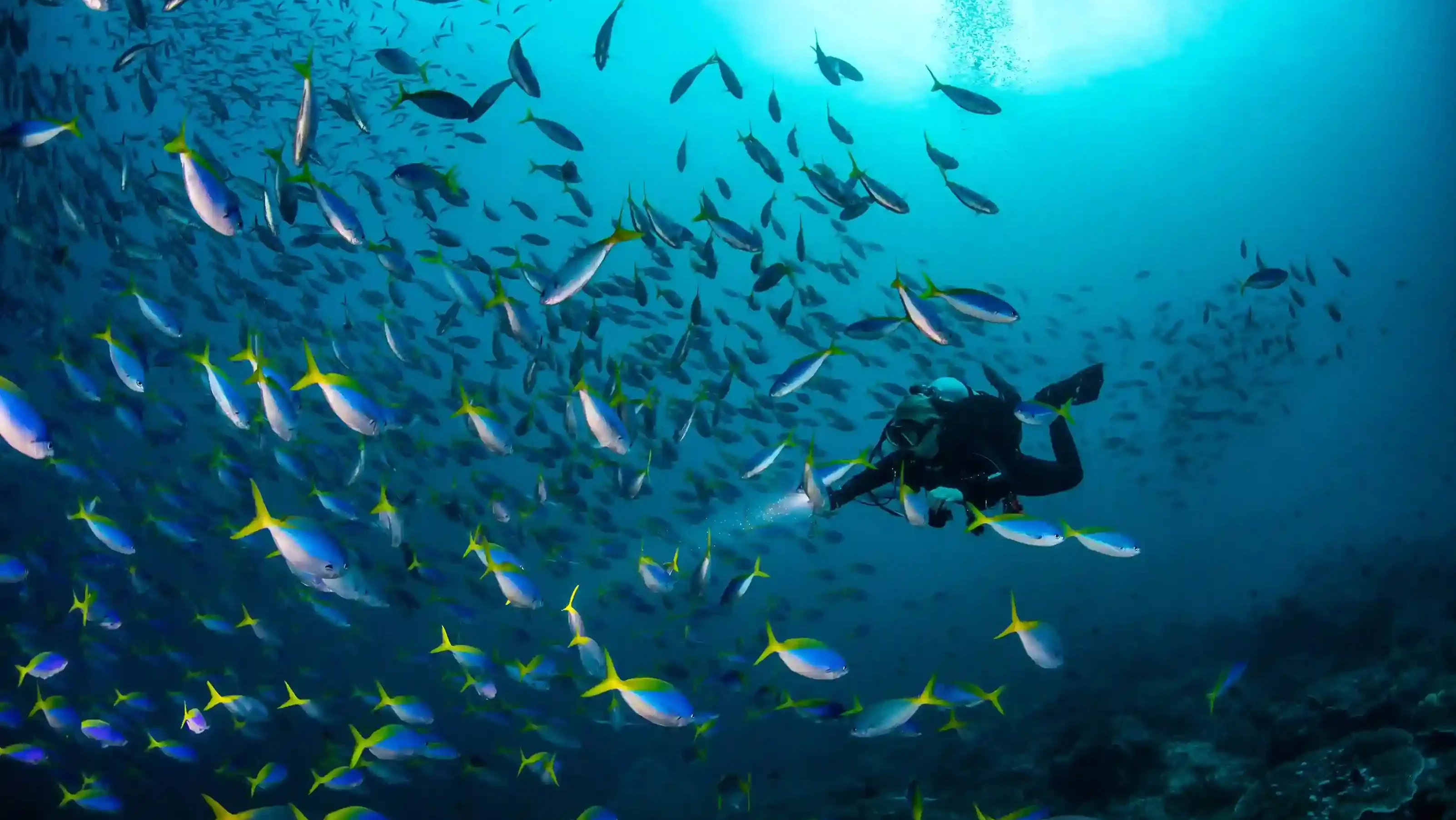
Best Diving Sites in Raja Ampat — The Complete Luxury Guide for 2026
We have logged over 4,000 dives across Raja Ampat’s archipelago. Our dive masters have guided guests at every major site from Cape Kri’s record-breaking fish counts to the bioluminescent night dives at Friwen Wall. This is not a list copied from a guidebook — it is compiled from our logbooks, our crew’s personal favorites, and the sites our returning guests specifically request.
Raja Ampat sits at the epicenter of the Coral Triangle, the most biodiverse marine region on Earth. Within its 40,000 square kilometers of protected waters, over 200 documented dive sites scatter across four major island groups. The challenge for any diver is not finding good sites — it is choosing which extraordinary sites to prioritize when every single one delivers something unforgettable.
Dampier Strait — The Heart of Raja Ampat Diving
The Dampier Strait separates Waigeo and Batanta islands and channels nutrient-rich currents through a narrow corridor that concentrates marine life in staggering density. This is where most luxury liveaboard itineraries begin, and for good reason — the strait alone could fill a week of diving without repeating a site.
Cape Kri — World Record Holder
Cape Kri holds the Guinness-verified world record for the most fish species counted on a single dive — 374 species in 60 minutes, documented by Dr. Gerald Allen in 2012. Drop below the surface at this sloping reef and the sheer volume of life overwhelms the senses. Schools of fusiliers form silver walls that part as you approach. Blacktip reef sharks patrol the drop-off edge. Giant trevally hunt in packs along the current line. The reef itself is carpeted in hard corals so tightly packed that bare rock is invisible.
Depth: 5–30m | Current: Moderate to strong | Level: Intermediate to advanced | Best time: Morning, before group boats arrive
Manta Sandy — Where Mantas Come to You
At just 5 to 18 meters depth, Manta Sandy is one of the most accessible world-class dive sites anywhere. Reef manta rays — wingspan up to 4.5 meters — cruise over the sandy cleaning station where small wrasses pick parasites from their gills. On a good day, three to five mantas circle the station simultaneously, approaching within arm’s reach of motionless divers kneeling on the sand. This is not a drift dive or a current-fighting exercise. You descend, settle, and wait. The mantas come to you.
Depth: 5–18m | Current: Gentle | Level: All levels including beginners | Best season: Year-round, peak encounters December–March
Blue Magic
A submerged seamount rising from 30 meters to within 7 meters of the surface, Blue Magic earns its name from the deep blue water column surrounding the pinnacle. Whitetip and grey reef sharks circle the deeper sections. Schools of barracuda form silver tornados above the peak. On lucky days, manta rays sweep through on cleaning runs. The seamount’s isolation in open water means pelagic surprises — we have seen hammerheads, eagle rays, and once a passing whale shark.
Depth: 7–30m | Current: Moderate to strong | Level: Intermediate to advanced
Sardine Reef
Named for the massive schools of sardines and fusiliers that blanket the reef like a living silver curtain, Sardine Reef delivers spectacle diving at its purest. When currents run strong — what our dive masters call “washing machine days” — predators go into feeding frenzy mode. Trevally slam through baitballs. Reef sharks accelerate from lazy patrols to full-speed attacks. The noise of clicking, crunching, and rushing water is audible even through your regulator.
Depth: 3–25m | Current: Variable, can be strong | Level: All levels on calm days, intermediate+ on current days
Misool — South Raja Ampat’s Crown Jewels
Reaching Misool requires commitment — a full day’s sail south from the Dampier Strait, or a dedicated 4-hour speedboat from Sorong. But the reward is some of the least-visited, most pristine diving in all of Indonesia. Misool’s marine sanctuary, established and protected for over 16 years, has allowed reef systems to reach a state of health that divers from the Maldives and Great Barrier Reef find almost unbelievable.
Four Kings
Four limestone pinnacles encrusted in soft corals of every conceivable color rise from the deep blue. Dendronephthya soft corals — neon pink, electric orange, deep purple — cascade down the rock faces like underwater waterfalls. Reef sharks weave between the pinnacles. Mantas glide overhead. The topography creates natural channels that funnel current and concentrate fish. Four Kings is the site that makes underwater photographers run out of storage space.
Depth: 5–35m | Current: Moderate | Level: Intermediate
Boo Windows
A series of natural swim-through arches carved into limestone rock, Boo Windows frames underwater scenes that look staged for a film set. Sunlight pours through the openings, illuminating soft coral gardens in shafts of blue-green light. Swimming through the arch from the darker side into the illuminated coral garden beyond is one of those moments that stays with divers for decades. Our dive masters know the exact angle to approach each window for maximum visual impact depending on sun position.
Depth: 3–25m | Current: Gentle to moderate | Level: All levels
Magic Mountain
Featured on BBC’s Blue Planet II, Magic Mountain is a submerged seamount where oceanic manta rays — larger cousins of the reef mantas at Manta Sandy, with wingspans reaching 7 meters — gather at a deep cleaning station. The seamount rises from 200+ meters to within 15 meters of the surface. Divers descend to the ridge, find a comfortable rock, and watch as mantas queue for their turn at the cleaning station. On extraordinary days, six to eight oceanic mantas circle simultaneously.
Depth: 15–30m | Current: Can be strong | Level: Advanced
Nudi Rock
For macro photography enthusiasts, Nudi Rock is paradise. This small rocky outcrop harbors more nudibranch species per square meter than virtually any site in the Indo-Pacific. Our dive masters have catalogued over 60 species here. Chromodoris, Nembrotha, Phyllodesmium, Halgerda — the variety of shapes, colors, and patterns concentrated on this single rock is almost absurd. Pair it with a wide-angle dive at Four Kings in the morning for the ultimate Misool double-header.
Depth: 3–18m | Current: Gentle | Level: All levels
North Raja Ampat & Wayag
The northern reaches of Raja Ampat — Wayag and surrounding waters — are the most remote and least-dived areas of the archipelago. Access requires a dedicated liveaboard willing to commit a full day of sailing north from the Dampier Strait. The payoff is diving in waters where your boat may be the only vessel for 50 nautical miles in any direction.
Yenbuba
Massive schools of chevron barracuda form tight spiraling formations above a pristine coral slope. Green sea turtles cruise through in such numbers that our guests have nicknamed the site “turtle soup” — the gentle kind. The reef here has a wild, untouched quality that even seasoned Raja Ampat regulars notice immediately. Fewer boats means less fin damage, less anchor impact, and coral coverage that approaches 100 percent on the shallower sections.
Depth: 5–30m | Current: Gentle to moderate | Level: All levels
Friwen Wall — Our Team’s Personal Favorite
Ask any of our dive masters which Raja Ampat site they would dive on their day off, and most will say Friwen Wall. By day, it is a spectacular vertical wall dive draped in sea fans and soft corals, with pygmy seahorses hiding in the gorgonians. But Friwen Wall’s true magic emerges after dark. This is one of the rare sites in Raja Ampat where bioluminescent plankton create a light show that defies description — wave your hand through the water and trails of electric blue light follow your fingers. Night dives here have reduced guests to speechless wonder.
Depth: 3–40m | Current: Gentle | Level: All levels (day), intermediate+ (night dive)
How to Dive All Three Areas in One Trip
Here is the challenge most divers face: Dampier Strait, Misool, and North Raja Ampat are separated by 6-12 hours of sailing each. Group liveaboards typically cover one, maybe two areas in a 7-night trip. To dive all three — Cape Kri in the morning, transit south to Misool over two days, explore Magic Mountain and Four Kings, then sail north to Wayag and Friwen — requires a minimum 10-day itinerary on a private charter that gives you complete control over routing and timing.
Our fleet of 50+ vessels includes phinisi sailing yachts and motor cruisers ranging from 25 to 42 meters. Every charter comes with a dedicated dive master who has logged a minimum of 500 Raja Ampat dives. We build custom dive itineraries around your experience level, photography interests, and bucket-list species — whether that means three dives daily at hardcore current sites or gentle reef explorations with long surface intervals and sundeck time between.
| Area | Top Sites | Days Needed | Highlight |
|---|---|---|---|
| Dampier Strait | Cape Kri, Manta Sandy, Blue Magic, Sardine Reef | 3–4 | Fish diversity world record |
| Misool | Four Kings, Boo Windows, Magic Mountain, Nudi Rock | 3–4 | Pristine sanctuary + oceanic mantas |
| North / Wayag | Yenbuba, Friwen Wall | 2–3 | Bioluminescence + zero crowds |
Frequently Asked Questions
What are the best diving sites in Raja Ampat?
The top sites include Cape Kri (374 fish species world record), Manta Sandy (year-round manta encounters at beginner-friendly depths), Blue Magic (pelagic seamount), Four Kings in Misool (soft coral pinnacles), and Magic Mountain (oceanic mantas). Each of Raja Ampat’s three main diving areas delivers world-class experiences.
Is Raja Ampat suitable for beginner divers?
Absolutely. Sites like Manta Sandy (5-18m, gentle current) and Arborek jetty reef are perfect for certified beginners. Our dive masters assess daily conditions and match sites to experience levels. Many guests complete Advanced Open Water certification during their charter.
When is the best season for diving Raja Ampat?
October through April offers calmest seas and best visibility (25-40m). Manta encounters peak December through March. However, diving is excellent year-round — June through September brings nutrient upwellings attracting whale sharks to southern sites.
Why choose a private liveaboard over a resort for diving?
A liveaboard is the only way to access remote sites like Wayag, Magic Mountain, and Triton Bay. Our private charters anchor at prime sites before dawn, offer flexibility to extend dives at exceptional sites, and cover all three major diving areas — something no resort and no group liveaboard schedule can match.
Plan Your Raja Ampat Diving Expedition
Custom dive itineraries across all three areas. 50+ vessel fleet. Dedicated dive masters with 500+ Raja Ampat dives.
Inquire About a Private Dive Charter →Best Diving Sites in Raja Ampat — The Complete Luxury Guide for 2026
We have logged over 4,000 dives across Raja Ampat’s archipelago. Our dive masters have guided guests at every major site from Cape Kri’s record-breaking fish counts to the bioluminescent night dives at Friwen Wall. This is not a list copied from a guidebook — it is compiled from our logbooks, our crew’s personal favorites, and the sites our returning guests specifically request.
Raja Ampat sits at the epicenter of the Coral Triangle, the most biodiverse marine region on Earth. Within its 40,000 square kilometers of protected waters, over 200 documented dive sites scatter across four major island groups. The challenge for any diver is not finding good sites — it is choosing which extraordinary sites to prioritize when every single one delivers something unforgettable.
Dampier Strait — The Heart of Raja Ampat Diving
The Dampier Strait separates Waigeo and Batanta islands and channels nutrient-rich currents through a narrow corridor that concentrates marine life in staggering density. This is where most luxury liveaboard itineraries begin, and for good reason — the strait alone could fill a week of diving without repeating a site.
Cape Kri — World Record Holder
Cape Kri holds the Guinness-verified world record for the most fish species counted on a single dive — 374 species in 60 minutes, documented by Dr. Gerald Allen in 2012. Drop below the surface at this sloping reef and the sheer volume of life overwhelms the senses. Schools of fusiliers form silver walls that part as you approach. Blacktip reef sharks patrol the drop-off edge. Giant trevally hunt in packs along the current line. The reef itself is carpeted in hard corals so tightly packed that bare rock is invisible.
Depth: 5–30m | Current: Moderate to strong | Level: Intermediate to advanced | Best time: Morning, before group boats arrive
Manta Sandy — Where Mantas Come to You
At just 5 to 18 meters depth, Manta Sandy is one of the most accessible world-class dive sites anywhere. Reef manta rays — wingspan up to 4.5 meters — cruise over the sandy cleaning station where small wrasses pick parasites from their gills. On a good day, three to five mantas circle the station simultaneously, approaching within arm’s reach of motionless divers kneeling on the sand. This is not a drift dive or a current-fighting exercise. You descend, settle, and wait. The mantas come to you.
Depth: 5–18m | Current: Gentle | Level: All levels including beginners | Best season: Year-round, peak encounters December–March
Blue Magic
A submerged seamount rising from 30 meters to within 7 meters of the surface, Blue Magic earns its name from the deep blue water column surrounding the pinnacle. Whitetip and grey reef sharks circle the deeper sections. Schools of barracuda form silver tornados above the peak. On lucky days, manta rays sweep through on cleaning runs. The seamount’s isolation in open water means pelagic surprises — we have seen hammerheads, eagle rays, and once a passing whale shark.
Depth: 7–30m | Current: Moderate to strong | Level: Intermediate to advanced
Sardine Reef
Named for the massive schools of sardines and fusiliers that blanket the reef like a living silver curtain, Sardine Reef delivers spectacle diving at its purest. When currents run strong — what our dive masters call “washing machine days” — predators go into feeding frenzy mode. Trevally slam through baitballs. Reef sharks accelerate from lazy patrols to full-speed attacks. The noise of clicking, crunching, and rushing water is audible even through your regulator.
Depth: 3–25m | Current: Variable, can be strong | Level: All levels on calm days, intermediate+ on current days
Misool — South Raja Ampat’s Crown Jewels
Reaching Misool requires commitment — a full day’s sail south from the Dampier Strait, or a dedicated 4-hour speedboat from Sorong. But the reward is some of the least-visited, most pristine diving in all of Indonesia. Misool’s marine sanctuary, established and protected for over 16 years, has allowed reef systems to reach a state of health that divers from the Maldives and Great Barrier Reef find almost unbelievable.
Four Kings
Four limestone pinnacles encrusted in soft corals of every conceivable color rise from the deep blue. Dendronephthya soft corals — neon pink, electric orange, deep purple — cascade down the rock faces like underwater waterfalls. Reef sharks weave between the pinnacles. Mantas glide overhead. The topography creates natural channels that funnel current and concentrate fish. Four Kings is the site that makes underwater photographers run out of storage space.
Depth: 5–35m | Current: Moderate | Level: Intermediate
Boo Windows
A series of natural swim-through arches carved into limestone rock, Boo Windows frames underwater scenes that look staged for a film set. Sunlight pours through the openings, illuminating soft coral gardens in shafts of blue-green light. Swimming through the arch from the darker side into the illuminated coral garden beyond is one of those moments that stays with divers for decades. Our dive masters know the exact angle to approach each window for maximum visual impact depending on sun position.
Depth: 3–25m | Current: Gentle to moderate | Level: All levels
Magic Mountain
Featured on BBC’s Blue Planet II, Magic Mountain is a submerged seamount where oceanic manta rays — larger cousins of the reef mantas at Manta Sandy, with wingspans reaching 7 meters — gather at a deep cleaning station. The seamount rises from 200+ meters to within 15 meters of the surface. Divers descend to the ridge, find a comfortable rock, and watch as mantas queue for their turn at the cleaning station. On extraordinary days, six to eight oceanic mantas circle simultaneously.
Depth: 15–30m | Current: Can be strong | Level: Advanced
Nudi Rock
For macro photography enthusiasts, Nudi Rock is paradise. This small rocky outcrop harbors more nudibranch species per square meter than virtually any site in the Indo-Pacific. Our dive masters have catalogued over 60 species here. Chromodoris, Nembrotha, Phyllodesmium, Halgerda — the variety of shapes, colors, and patterns concentrated on this single rock is almost absurd. Pair it with a wide-angle dive at Four Kings in the morning for the ultimate Misool double-header.
Depth: 3–18m | Current: Gentle | Level: All levels
North Raja Ampat & Wayag
The northern reaches of Raja Ampat — Wayag and surrounding waters — are the most remote and least-dived areas of the archipelago. Access requires a dedicated liveaboard willing to commit a full day of sailing north from the Dampier Strait. The payoff is diving in waters where your boat may be the only vessel for 50 nautical miles in any direction.
Yenbuba
Massive schools of chevron barracuda form tight spiraling formations above a pristine coral slope. Green sea turtles cruise through in such numbers that our guests have nicknamed the site “turtle soup” — the gentle kind. The reef here has a wild, untouched quality that even seasoned Raja Ampat regulars notice immediately. Fewer boats means less fin damage, less anchor impact, and coral coverage that approaches 100 percent on the shallower sections.
Depth: 5–30m | Current: Gentle to moderate | Level: All levels
Friwen Wall — Our Team’s Personal Favorite
Ask any of our dive masters which Raja Ampat site they would dive on their day off, and most will say Friwen Wall. By day, it is a spectacular vertical wall dive draped in sea fans and soft corals, with pygmy seahorses hiding in the gorgonians. But Friwen Wall’s true magic emerges after dark. This is one of the rare sites in Raja Ampat where bioluminescent plankton create a light show that defies description — wave your hand through the water and trails of electric blue light follow your fingers. Night dives here have reduced guests to speechless wonder.
Depth: 3–40m | Current: Gentle | Level: All levels (day), intermediate+ (night dive)
How to Dive All Three Areas in One Trip
Here is the challenge most divers face: Dampier Strait, Misool, and North Raja Ampat are separated by 6-12 hours of sailing each. Group liveaboards typically cover one, maybe two areas in a 7-night trip. To dive all three — Cape Kri in the morning, transit south to Misool over two days, explore Magic Mountain and Four Kings, then sail north to Wayag and Friwen — requires a minimum 10-day itinerary on a private charter that gives you complete control over routing and timing.
Our fleet of 50+ vessels includes phinisi sailing yachts and motor cruisers ranging from 25 to 42 meters. Every charter comes with a dedicated dive master who has logged a minimum of 500 Raja Ampat dives. We build custom dive itineraries around your experience level, photography interests, and bucket-list species — whether that means three dives daily at hardcore current sites or gentle reef explorations with long surface intervals and sundeck time between.
| Area | Top Sites | Days Needed | Highlight |
|---|---|---|---|
| Dampier Strait | Cape Kri, Manta Sandy, Blue Magic, Sardine Reef | 3–4 | Fish diversity world record |
| Misool | Four Kings, Boo Windows, Magic Mountain, Nudi Rock | 3–4 | Pristine sanctuary + oceanic mantas |
| North / Wayag | Yenbuba, Friwen Wall | 2–3 | Bioluminescence + zero crowds |
Frequently Asked Questions
What are the best diving sites in Raja Ampat?
The top sites include Cape Kri (374 fish species world record), Manta Sandy (year-round manta encounters at beginner-friendly depths), Blue Magic (pelagic seamount), Four Kings in Misool (soft coral pinnacles), and Magic Mountain (oceanic mantas). Each of Raja Ampat’s three main diving areas delivers world-class experiences.
Is Raja Ampat suitable for beginner divers?
Absolutely. Sites like Manta Sandy (5-18m, gentle current) and Arborek jetty reef are perfect for certified beginners. Our dive masters assess daily conditions and match sites to experience levels. Many guests complete Advanced Open Water certification during their charter.
When is the best season for diving Raja Ampat?
October through April offers calmest seas and best visibility (25-40m). Manta encounters peak December through March. However, diving is excellent year-round — June through September brings nutrient upwellings attracting whale sharks to southern sites.
Why choose a private liveaboard over a resort for diving?
A liveaboard is the only way to access remote sites like Wayag, Magic Mountain, and Triton Bay. Our private charters anchor at prime sites before dawn, offer flexibility to extend dives at exceptional sites, and cover all three major diving areas — something no resort and no group liveaboard schedule can match.
Plan Your Raja Ampat Diving Expedition
Custom dive itineraries across all three areas. 50+ vessel fleet. Dedicated dive masters with 500+ Raja Ampat dives.
Inquire About a Private Dive Charter →Plan Your Luxury Raja Ampat Experience
Ready to explore Raja Ampat? Discover our diving experiences, liveaboard adventures, yacht charter experiences, book your voyage. book your voyage.
Related Article
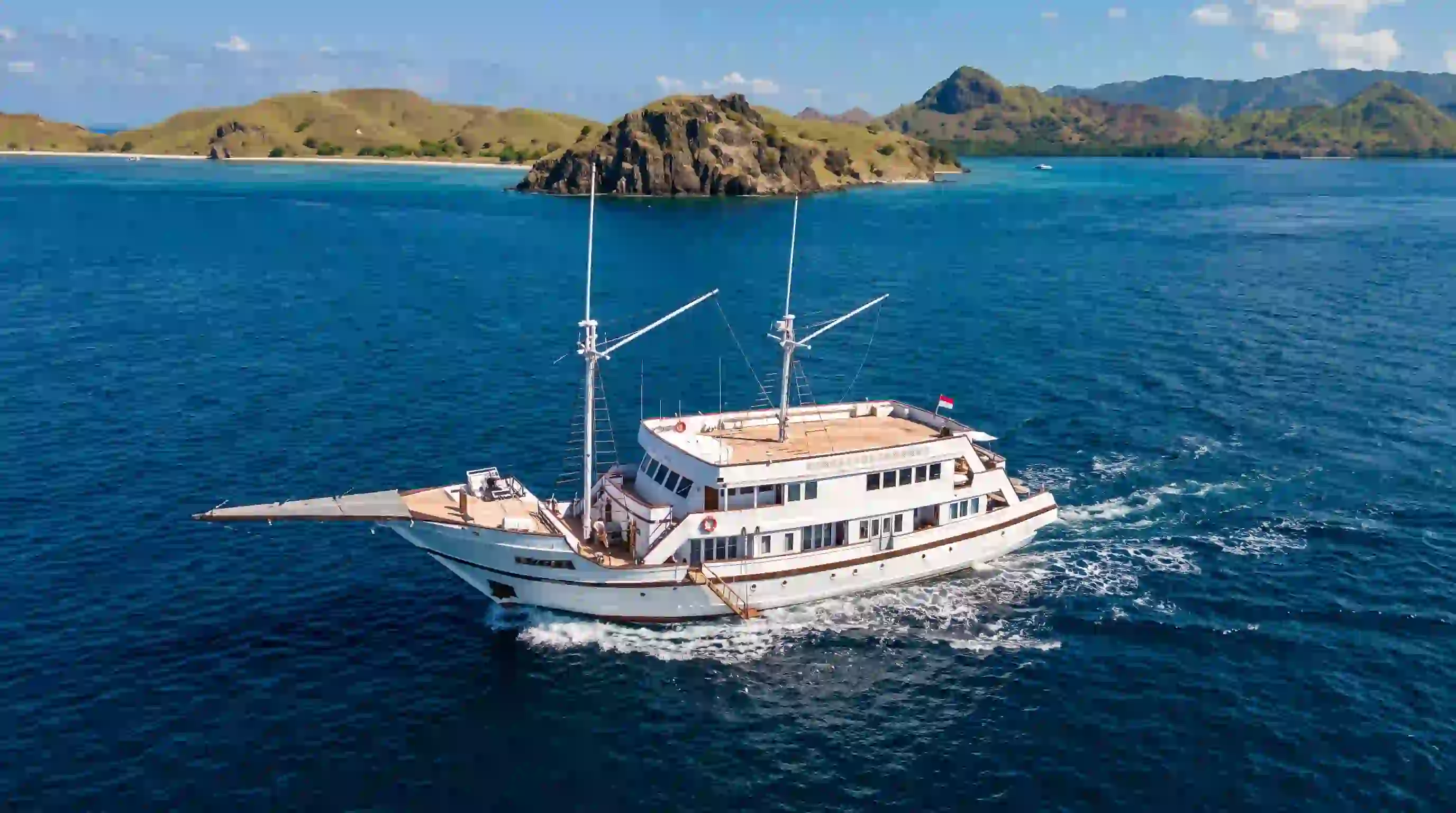
LASHA Raja Ampat: Private Expedition Charters from Sorong
LASHA Raja Ampat expeditions run October through April, departing Sorong...
LASHA Raja Ampat expeditions run October through April, departing Sorong for Wayag, Piaynemo, and Misool aboard a 52.5-metre, ten-cabin luxury...
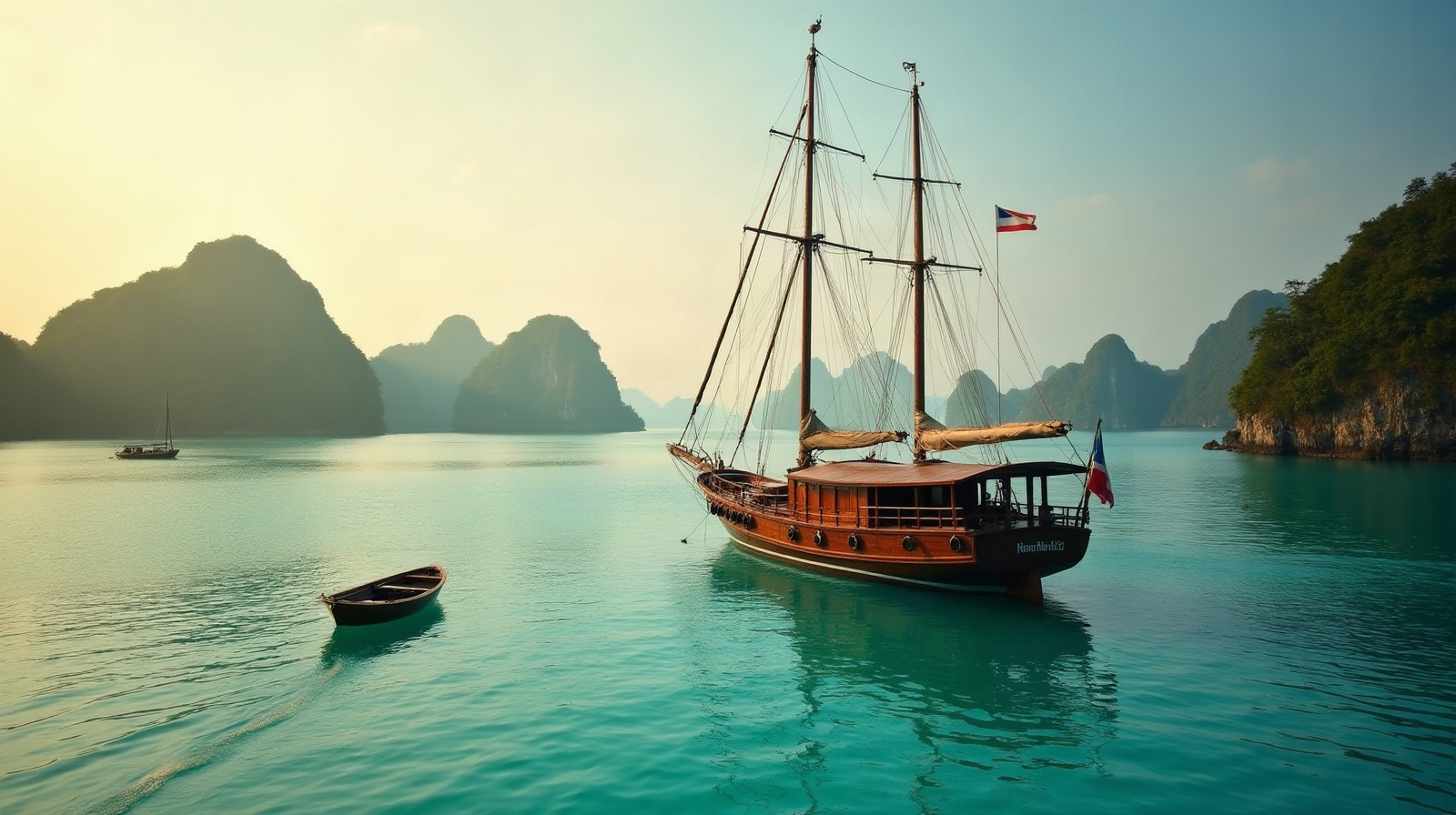
The Raja Ampat Charter Fleet Worth Flying For in 2027
The Raja Ampat yacht charters most worth flying for in...
The Raja Ampat yacht charters most worth flying for in 2027 are Lamima, with a verified rate of USD 27,000–28,000...
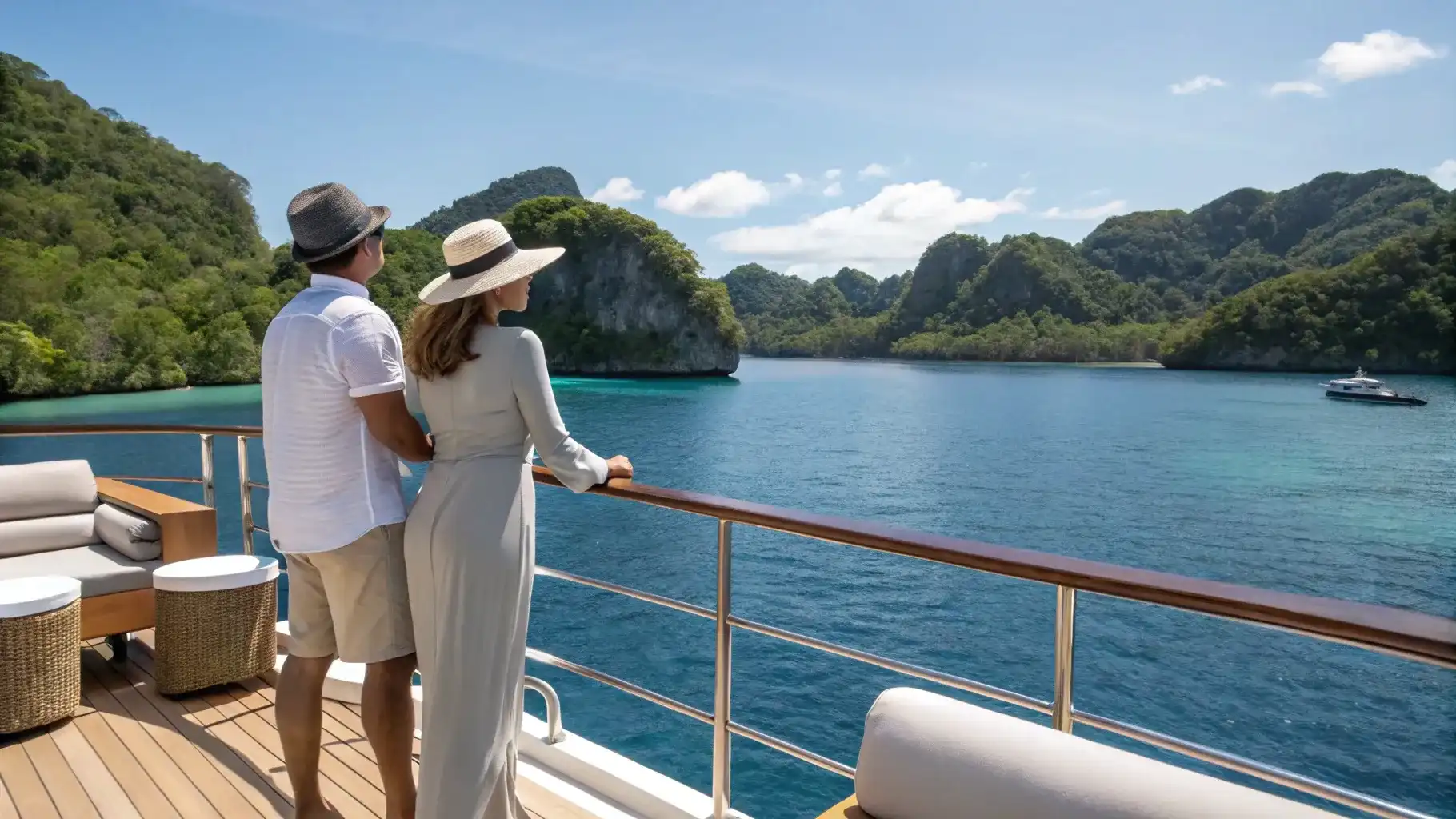
Raja Ampat Honeymoon 2027: The Ultimate Romantic Sailing Guide
Last updated: August 16, 2026 — compiled by the Luxury...
Last updated: August 16, 2026 — compiled by the Luxury Raja Ampat editorial desk, with operational input from crews currently...