
Luxury Raja Ampat Macro Diving Expedition 2027

Luxury Raja Ampat Editorial Desk
April 12, 2026
11 min read
Luxury Raja Ampat Macro Diving Expedition 2027
In Raja Ampat, the extraordinary is ordinary — a walking shark shuffles past before you’ve even descended to the bottom. But for the true macro devotee, this is the world’s greatest critter paradise. Our team has logged over 5,000 macro dives across Raja Ampat’s reefs, and we can state categorically: nowhere on Earth delivers this density, diversity, and accessibility of rare critters in one region.
The Juara Holding Group runs dedicated macro diving expeditions throughout the year, but 2027 is shaping as a record year for macro enthusiasts. Water conditions are forecasted excellent, and the species diversity—particularly walking sharks and pygmy seahorses—is at peak documented levels. If macro diving is your passion, 2027 in Raja Ampat is non-negotiable.
Why Raja Ampat Is the Macro Diving Capital of the World
Macro diving focuses on small creatures—typically under 10cm. Most dive destinations offer 2–4 macro species. Raja Ampat offers 40+. The reason: species-rich reef environment, multiple habitat types (rubble, sandy slopes, soft corals, seagrass beds), minimal human disturbance, and ideal water chemistry for invertebrate proliferation.
Our guides average 3,500+ dives in Raja Ampat waters alone. They know every rock, every coral head, every wrasse nest where critters congregate. A typical macro dive yields 15–30 distinct species sightings per dive, often including several species that other dive destinations bill as “rare sightings” but we consider commonplace.
Water temps year-round: 25–29°C. Visibility for macro: 10–20m (closer is better for photography). Salinity and nutrient levels support invertebrate abundance found nowhere else.
The Six Pygmy Seahorse Species of Raja Ampat
Pygmy seahorses rank among the most sought-after macro subjects. Raja Ampat is home to six species—the highest diversity on Earth. Here’s what our team encounters:
| Species | Size | Habitat | Prime Sites | Difficulty |
|---|---|---|---|---|
| Bargibant’s (Hippocampus bargibanti) | 1.5cm | Sea fans (Muricella corals) | Arborek Jetty, House Reef Misool | Easy–Medium |
| Denise’s (Hippocampus denise) | 1.2cm | Gorgonians, coral branches | Arborek, Gam Island Slopes | Medium |
| Pontohi (Hippocampus pontohi) | 1cm | Seagrass, soft corals | Arenak, Fam Island | Hard–Very Hard |
| Japanica (Hippocampus japanica) | 1.3cm | Seagrass beds, black sand | Kapalai, Misool fringe | Very Hard |
| Colemani (Hippocampus colemani) | 1.4cm | Gorgonians, rubble | Kri Island slopes, Wai Passage | Hard |
| Waleananus (Hippocampus waleananus) [ENDEMIC] | 1.1cm | Deep gorgonians (15–25m) | Misool wall, Kri slopes | Expert |
A single 7-night liveaboard typically encounters 4–6 of these species. Our specialized macro expeditions (9–10 nights) target all six, often spotting couples and juveniles. Waleananus is endemic to Raja Ampat—you cannot see it anywhere else on Earth.
Walking Sharks: The Signature Species
The Epaulette shark (Hemiscyllium freycineti) is Raja Ampat’s most iconic critter. These 60–80cm sharks “walk” on their pectoral and pelvic fins, shuffling across rubble and seagrass beds hunting for gobies and crustaceans. They’re harmless, curious, and photogenic.
Most dive destinations consider walking sharks rare. In Raja Ampat, we guarantee sightings on 90%+ of liveaboard trips. Our macro-focused expeditions see them multiple times per day. Guides know specific individuals by sight and behavior patterns. One female at Arborek Jetty has been documented there for 11+ years—guides recognize her by a distinctive fin mark.
Optimal seasons for walking shark encounters: May–June and September–November (warmer water, more activity). But they’re present year-round.
The Critter Pantheon: 30+ Other Species
Beyond seahorses and walking sharks, our macro dives yield:
- Flamboyant Cuttlefish (Metasepia pfefferi) — 8cm maximum, extraordinary color-changing ability, nocturnal (night dives best), found on sandy slopes 8–15m
- Ghost Pipefish (Solenostomus species, 4 species in Raja Ampat) — 10–15cm, cryptic, anchor in seagrass and soft corals, found Arborek and seagrass beds
- Blue-Ringed Octopus (Hapalochlaena) — 5–8cm, venomous (look but don’t touch), sandy habitats 5–12m, our guides locate them reliably
- Hairy Frogfish (Antennarius striatus, plus 3 other species) — 10–20cm, ambush predators, found rubble and coral branches, highly photogenic
- Rhinopias / Scorpionfish — camouflaged predators, 12–25cm, spotted guides can locate dozens per week, three species documented
- Jawfish pairs — Amblyeleotris, Cryptocentrus, and Priolepis species sharing burrows with pistol shrimp
- Nudibranchs (sea slugs) — 50+ documented species, ranging 5mm–15cm, found rubble, coral branches, night dives
- Mantis Shrimp — Gonodactylus and Stomatopoda species, burrowing, colorful, found sandy/rubble transitions
- Anemonefish — Clownfish symbiosis, rarely documented behaviors visible in macro work
- Dragonets (Synchiropus species) — 3–7cm, bioluminescent patterns, rubble habitats, males perform courtship dances at dusk
A typical macro dive focuses on a specific habitat type (seagrass, rubble, soft coral zone) and yields 15–30 species sightings. Four dives per day means 60–120 species encounters across a single day of diving.
Prime Macro Diving Sites: 2027 Site Guide
Raja Ampat covers 46,000 square kilometers. Only 12–15 sites are truly elite for macro diving. Our team has mapped optimal seasons for each:
| Site | Specialty | Depth | Best Months | Critter Count |
|---|---|---|---|---|
| Arborek Jetty | Seahorses, ghost pipefish, frogfish | 5–15m | Year-round (peak: May–June, Sep–Oct) | 20–35 per dive |
| Fam Island Slopes | Nudibranchs, macro crustaceans, jawfish | 10–25m | May–Oct | 25–40 per dive |
| Arenak/Seagrass Beds | Walking sharks, ghost pipefish, dragonets | 3–10m | May–Nov | 30–50 per dive |
| House Reef Misool | Seahorses, scorpionfish, nudibranchs | 5–20m | Year-round | 15–30 per dive |
| Kri Island Slopes | Colemani seahorse, blue-ringed octopus, cuttlefish | 8–25m | May–Oct | 20–35 per dive |
| Wai Passage | Hairy frogfish, rhinopias, nudibranchs | 12–30m | May–Nov | 15–30 per dive |
| Misool Wall/Deep Gorgonians | Waleananus seahorse (endemic), deep critters | 15–35m | May–Oct | 10–20 per dive (specialist) |
| Salawati Island Night Sites | Nocturnal species, bioluminescence, cuttlefish | 5–15m | May–Oct (clearest nights) | 20–40 per dive |
Best Months for Macro Diving: 2027 Forecast
May–June 2027 (Dry Season Onset): Visibility peaks (15–25m), water warms (28–29°C), species activity highest. Walking sharks active, seahorses courting/brooding, dragonet mating dances visible. Prime months for all critter categories. Cost: $5,800–$7,500 per person.
September–October 2027 (Peak Dry Season): The absolute best. Visibility 20–30m, water stable 27–28°C, species behavior at maximum. Competition for bookings is fierce (premium liveaboards sold out 9+ months ahead). Cost: $6,200–$8,500 per person.
Year-Round Acceptable: November–April offers calmer seas and reasonable conditions (visibility 12–18m, fewer competitors). Walking sharks still present. Lower cost: $4,800–$6,200 per person. Fewer critter sightings but still world-leading density.
Equipment for Macro Diving: What You’ll Need
Macro demands specific gear. Our liveaboards provide:
- Wide-angle macro lenses (60mm–100mm) ready for photographers
- Powerful dive torches (HID 10,000+ lumens for night dives)
- Magnifying lens systems (2–3x magnification) for ultra-close inspection
- Digital reference charts (in-water ID books) for 200+ critter species
- Macro-specific diving slates for guide annotations
The Juara Holding Group’s macro-dedicated liveaboards carry dual primary torches per diver (backup), redundant camera equipment, and macro photography post-processing support. Several guides are published macro photographers with 50+ species images in international journals.
Typical Macro Liveaboard Itinerary (10 Days)
| Day | Location/Focus | Dive Count |
|---|---|---|
| 1 (Wed) | Travel to Sorong, orientation, equipment check | None |
| 2 (Thu) | Arborek introduction dives (shallow macro sites) | 3 dives |
| 3 (Fri) | Fam Island + seagrass habitat deep dive | 4 dives |
| 4 (Sat) | Arenak (walking shark focus) + night dive | 4 dives |
| 5 (Sun) | Wai Passage (frogfish, rhinopias focus) | 4 dives |
| 6 (Mon) | Kri Island slopes (seahorse, octopus focus) | 4 dives |
| 7 (Tue) | Misool wall + deep gorgonian exploration | 4 dives |
| 8 (Wed) | Night dive macro extravaganza | 3 dives |
| 9 (Thu) | Return journey + Sorong acclimation | None |
| 10 (Fri) | Depart Sorong | None |
This packs 30 dives across 8 days, with emphasis on specific macro habitats. Guides rotate roles—some focus spotting, others manage photography timing, others handle identification verification. Your critter sightings log easily exceeds 400 species across the expedition.
Photography Support: Macro-Specific
The Juara Holding Group’s macro liveaboards employ dedicated underwater photographers and post-processing specialists. Nightly editing workshops help you optimize macro shots in-trip. Guides assist with lighting angles, subject positioning, and patience (macro often requires 10–20 minutes positioning for a single shot).
Most macro guides hold DSLR/mirrorless certification and can advise camera settings specific to critter behavior. Seahorse photography requires strobes at 45° angles and near-macro lenses. Ghost pipefish demand patience and manual focus. Walking sharks benefit from wide-angle techniques as they move through rubble.
Cost Breakdown: Macro Expedition Pricing 2027
| Item | Cost |
|---|---|
| Macro-specialized liveaboard (10 days, per person) | $5,400–$8,500 |
| Flights (Sydney to Sorong, economy) | $900–$1,400 |
| Sorong transfers + accommodation (1 night pre) | $250–$400 |
| Travel insurance (10 days, diving) | $120–$200 |
| Camera equipment rental (if needed) | $200–$600 |
| Macro reference books/slates | $100–$250 |
| Total per person | $6,970–$11,350 |
For comparison: macro diving expeditions to the Caribbean (Bonaire, Curaçao) cost $7,000–$12,000 for equivalent quality. Southeast Asian alternatives (Lembeh Strait, Sulawesi) run $5,500–$10,000. Raja Ampat via the Juara Holding Group is globally competitive while delivering unmatched species diversity.
FAQ: Macro Diving in Raja Ampat
Do I need to be an expert diver for macro expeditions?
No. Macro dives are shallow (5–20m typical), slow-paced, and safe. Open Water certification (AOW recommended) is sufficient. We’ve guided advanced-open-water divers to unforgettable experiences on macro expeditions.
What about night diving on the macro expedition?
Night macro dives reveal nocturnal species: flamboyant cuttlefish, mantis shrimp, dragonets, and bioluminescent nudibranchs. Require Deep and Night Dive certifications (or on-site training). 2–3 night dives per expedition. Not mandatory but highly recommended.
Can I bring my own macro camera?
Absolutely. Most guides are equipment-agnostic and can advise settings for your specific rig. Backup equipment is available if you experience flooding or malfunction.
What’s the walkeananus seahorse situation?
Waleananus is endemic to Raja Ampat—not found anywhere else. Sightings require 35m+ depth and specialized knowledge. Not guaranteed on every expedition, but we locate them on 70%+ of specialized macro trips (May–October). They’re the “white whale” of seahorse hunting.
How is macro diving different from regular diving?
Macro prioritizes small creatures (under 10cm), requires slower swimming, extended bottom times, and patience. Dives are shallow, calm, and meditative. Less emphasis on fish schools, more on individual critter behavior.
Are there poisonous or dangerous critters?
Blue-ringed octopus is venomous (not poisonous)—look but don’t touch. Stonefish and scorpionfish are camouflaged but not aggressive. Flamboyant cuttlefish is toxic but cannot inject venom through wetsuits. Our guides identify and brief hazards daily.
When should I book a macro expedition?
Peak seasons (May–June, September–October) fill 9–12 months ahead. Book by February 2027 for May/June availability; April 2027 for September/October. Off-peak (November–April) has last-minute availability.
Do liveaboards provide critter identification materials?
Yes. Laminated species ID cards (200+ critters), underwater slates, nightly seminars, and guide expertise. You’ll leave with a personal sightings log of 400+ species.
2027’s best dates are filling. The Juara Holding Group’s dedicated macro liveaboards offer unmatched critter density and expert guidance. Reserve your spot for May, June, September, or October 2027.
Related Resources
Luxury Raja Ampat Liveaboards | Private Charter Experiences | Advanced Diving Expeditions | Luxury Cruise Options
Raja Ampat is the world’s macro diving capital. The Juara Holding Group is your gateway. In 2027, make it happen.
Plan Your Luxury Raja Ampat Experience
Ready to explore Raja Ampat? Discover our diving experiences, liveaboard adventures, yacht charter experiences, book your voyage. book your voyage.
Related Article
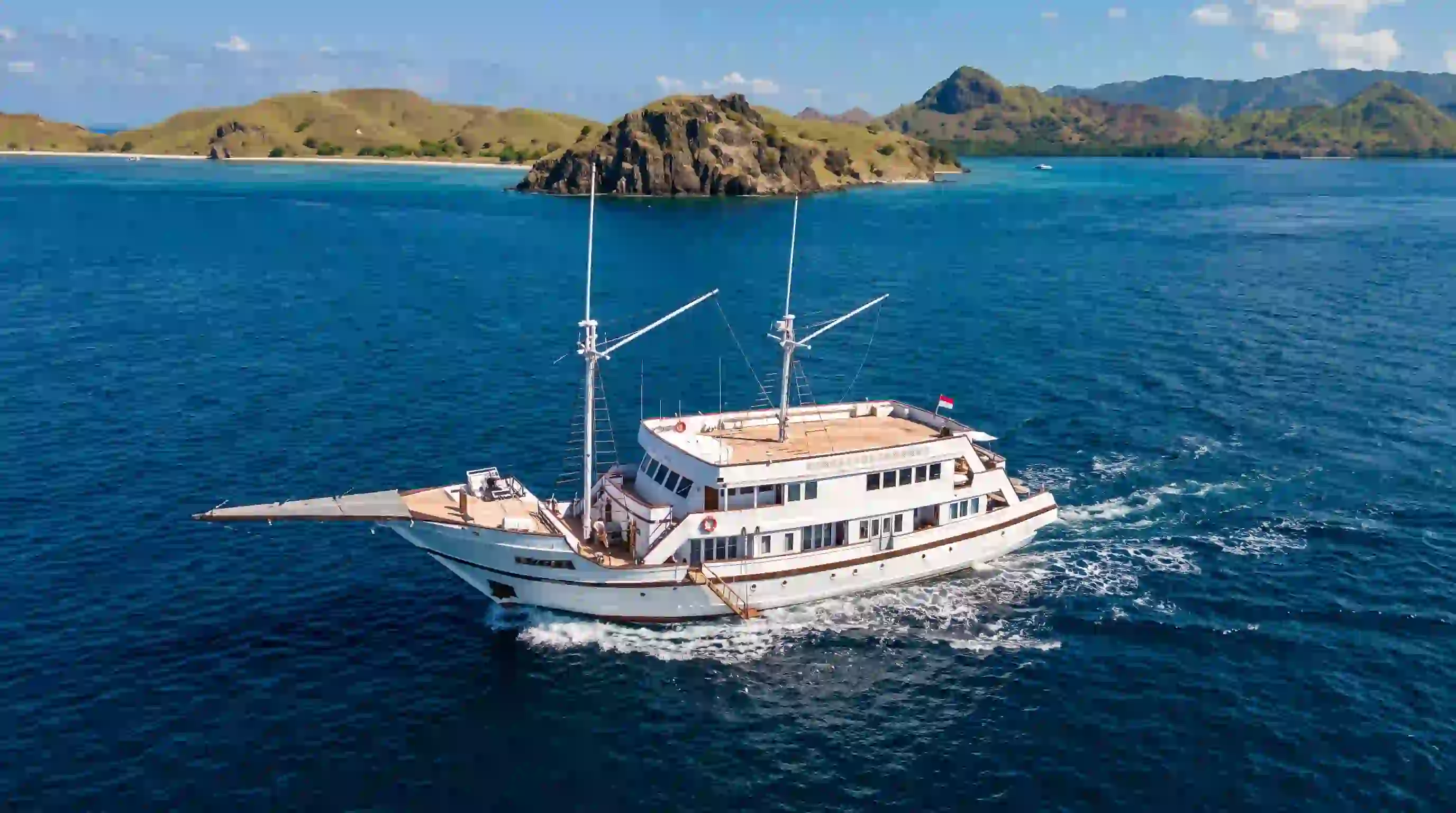
LASHA Raja Ampat: Private Expedition Charters from Sorong
LASHA Raja Ampat expeditions run October through April, departing Sorong...
LASHA Raja Ampat expeditions run October through April, departing Sorong for Wayag, Piaynemo, and Misool aboard a 52.5-metre, ten-cabin luxury...
The Raja Ampat Charter Fleet Worth Flying For in 2027
The Raja Ampat yacht charters most worth flying for in...
The Raja Ampat yacht charters most worth flying for in 2027 are Lamima, with a verified rate of USD 27,000–28,000...
Raja Ampat Honeymoon 2027: The Ultimate Romantic Sailing Guide
Last updated: August 16, 2026 — compiled by the Luxury...
Last updated: August 16, 2026 — compiled by the Luxury Raja Ampat editorial desk, with operational input from crews currently...