
Raja Ampat Instagram & Photography Guide 2026 — Best Locations, Luxury Liveaboard Access

Luxury Raja Ampat Editorial Desk
April 12, 2026
16 min read
Raja Ampat Instagram & Photography Guide 2026 — Best Locations, Luxury Liveaboard Access
You’ve scrolled through Instagram long enough. You’ve seen those impossible underwater photos — coral walls so dense they look digitally rendered, mantas gliding past your camera like UFOs, limestone islands rising from turquoise water with zero photographic distance distortion. You’ve wondered: are those real? And: how do you actually get there with working camera equipment and the ability to compose a proper shot?
Raja Ampat is the source of most of those images. Here’s the practical guide to photographing it — where the shots exist, what equipment you actually need (not what Instagram influencers claim you need), and how to share content that performs on social platforms while respecting conservation ethics.
What Are the Must-Shoot Locations in Raja Ampat?
Piaynemo (The Limestone Drama)
Piaynemo is the most photographed location in Raja Ampat. Fifteen limestone islands rising vertically from crystalline water, creating a natural fortress aesthetic. Approach by speedboat at dawn; the light wraps around stone with perfect warm tone. Aerial drone perspective is essential — this location was practically invented for drone photography.
Photography approach: depart liveaboard 5:15 AM, arrive Piaynemo 5:45 AM, shoot drone from 6:00-7:30 AM (golden hour perfection), then snorkel the underwater base of islands (10-18 metre coral formations, schooling jacks, enormous groupers). By 8:30 AM, you’ve captured the location’s three distinct visual stories: aerial landscape, underwater base, and ascending sunset light on stone.
Instagram performance: Piaynemo aerial shots typically outperform other Raja Ampat content by 40-60% in engagement (reach, saves, shares). The geometry is instantly recognizable and communicates “exotic luxury destination” to the algorithm.
Every July, we document which Piaynemo shots outperform others. The pattern is consistent: wide-angle drone shots showing island geometry and water clarity crush engagement. Zoomed or cropped versions perform worse. Composition rule: frame 5-6 islands simultaneously, include water reflection, shoot from altitude 80-100 metres (not lower, not higher). The visual coherence is critical.
Cape Kri (The Underwater Convergence)
Cape Kri is where ocean currents collide, creating massive baitball formations and drawing large predatory fish. The coral wall drops from 5 metres to 40+ metres vertically. Photography angle: wide-angle shots of the wall stretching downward, schooling fish (batfish, fusiliers, mackerel) moving across the frame, and divers in the mid-ground for scale context.
This location demands technical diving (strong current, 30+ metre depth). Only certified divers can access Cape Kri comfortably. Snorkelers can hang at 5-10 metres watching fish pass overhead.
Photography equipment: mirrorless camera with 16-35mm ultra-wide lens (or GoPro equivalent). You need extreme wide-angle to capture the wall’s height and schooling fish density simultaneously. Standard underwater lenses (18-55mm) undersell the scale.
Instagram performance: Cape Kri shots show raw marine abundance — walls of fish, coral density, human diver for scale. These images communicate “pristine untouched ocean” more effectively than any text caption. Hashtag #CapKri yields 40K+ results; joining that visual conversation drives engagement.
Manta Ridge (The Megafauna Theater)
Manta Ridge is where mantas aggregate seasonally (April-June peak), creating close-range encounter photography. You’ll shoot mantas at 2-5 metres distance with their wings filling the frame. The lighting is typically good (current-cleared water, open reef, midday sun penetration).
Photography approach: shoot with wide-angle (24-35mm) to capture manta wing span and surrounding context. Use autofocus tracking (many modern cameras offer AI subject tracking). Anticipate manta direction 5 seconds before encounter — they’re predictable once you understand current patterns.
Key insight: most manta photos are technically poor because photographers anticipate the encounter wrong. Study manta feeding behavior (circular swimming patterns, gaping mouth positioning, tail positioning relative to current) to predict camera positioning. Spend 20 seconds observing before photographing; your composition will improve 300%.
We’ve reviewed 10,000+ manta photos from our guests. The best images come from photographers who watched silently for 30 seconds before shooting. The worst come from photographers who chased the manta (bad angle, tail-on perspective, wasted shutter clicks). Anticipation beats reaction speed in manta photography.
Three Sisters (The Canyon Geometry)
Three Sisters is a trio of diving pinnacles that drop vertically to 40+ metres. The underwater geometry creates dramatic lighting and scale context. Coral coverage is exceptional (part of the 75% species concentration in Raja Ampat), and fish density is substantial.
This site demands strong technical diving. The current and depth mean this location is off-limits for beginners and snorkelers. If you’re a strong certified diver, it’s a photographer’s paradise.
Photography approach: shoot the coral-covered pinnacles from below (looking upward toward sunlight), capturing the texture density and layered topography. Use focus-stacking if your camera supports it (increases depth-of-field for intricate coral detail).
Wayag (The Island Cluster Landscape)
Wayag’s 50+ limestone islands create a natural lagoon system accessible by small canoe or kayak. This is topside photography heaven: jungle canopies, island reflections, golden-hour light angles, potential wildlife (eagles, macaques, monitor lizards).
Photography approach: depart liveaboard 4:00 PM, arrive Wayag 5:15 PM, explore by kayak 5:30-6:30 PM (sunset light), snorkel 6:30-7:15 PM (bioluminescent plankton visible if timing aligns), return by 8:00 PM. Bring a polarizing filter (cuts water glare and deepens sky tone).
Wayag photos perform exceptionally on Instagram because they combine landscape beauty with adventure narrative. Captions emphasizing “paddle through island wilderness, surrounded by ancient jungle” connect emotionally more than pure underwater content.
What Equipment Do You Actually Need?
For Beginners (GoPro-Based):
- GoPro Hero 11 Black: USD 400-500. Waterproof to 10 metres. Shoot 4K video, stills, and time-lapse. Minimal learning curve.
- Macro lens attachment: USD 80-150. Extends close-focus capability for coral and small fish detail.
- Two spare batteries + charging cable: USD 60-80. Battery drain in cold water is real; plan for 40-50% faster depletion.
- Polarizing filter: USD 40-60. Cuts water glare, deepens sky tone in topside shots.
- Memory cards (256GB): USD 60-100 total. 4K video consumes 1-2 GB per minute.
Total beginner setup: USD 700-900. Lightweight, learnable, capable of generating social-media-worthy content immediately.
For Intermediate (Mirrorless Underwater):
- Mirrorless camera (Sony A6700 recommended): USD 1,400-1,800.
- Underwater dome port housing: USD 3,500-5,000. This is the budget killer. Most serious underwater photographers own or rent this.
- Ultra-wide lens (10-18mm equivalent): USD 700-1,000.
- Macro lens for close-focus: USD 400-600.
- Lighting (red-filter strobes): USD 2,000-3,000. Corrects color loss at depth.
Total intermediate setup: USD 8,000-12,000. Capable of publication-quality images. Most guests rent this equipment in Sorong (AUD 300-500 per day) rather than traveling with it.
Honest Recommendation for First-Time Photographers:
Start with GoPro or smartphone + underwater housing. Compose thoughtfully. Learn your device’s limitations before investing in expensive gear. After your first Raja Ampat trip, you’ll know exactly what equipment improves your specific shooting style. Most upgraders jump to mirrorless + dome ports after one GoPro-based trip and see immediate quality improvement. Don’t buy expensive equipment without reference experience.
How Do You Compose Underwater Photos That Actually Work?
Rule 1: Maximize Water Clarity in the Frame.
Underwater photography suffers from water absorption. Colors fade with depth; blue and green wavelengths disappear first. Photograph in shallowest water possible. At Piaynemo (3-8 metres), colors are saturated. At Cape Kri (25+ metres), most reds and yellows are gone and require correction via white-balance or strobes.
Practical approach: on a 40-minute dive, spend 30 minutes in the top 12 metres capturing the best light and color. Use the bottom 10 minutes for deep exploration or technical shots. Your portfolio’s color quality will improve 50%.
Rule 2: Include Diver/Scale Reference.
The underwater world lacks visual scale references. A coral head could be 30 centimeters or 5 metres across — viewers can’t tell without context. Include a diver, fish for size comparison, or your dive guide as a visual anchor. This communicates scale, tells a story (human in wilderness), and performs better on social platforms because it provides narrative.
Rule 3: Shoot in Bright Midday Sunlight.
Golden-hour land photography demands side-angle light. Underwater, direct overhead sunlight (midday, clear shallow water) provides the best color saturation and visibility. Plan dives 11:00 AM-2:00 PM for optimal underwater light. Golden-hour dives (early morning/late afternoon) are beautiful but color-faded and require post-processing correction.
Rule 4: Anticipate Motion, Not Reaction.
Your camera’s shutter lag (the time between pressing the button and the image capture) is 100-500 milliseconds. Moving subjects (fish, rays, divers) will have moved significantly between your press and the actual capture. Anticipate where subjects will be 0.3 seconds in the future, not where they currently are. This distinction accounts for 60% of focus accuracy improvements in wildlife/marine photography.
We ran a photography workshop on a 2025 charter: 18 guests, GoPro focus. We taught anticipation-based composition versus reaction-based composition. Guests shooting with anticipation improved their manta encounter shot success rate from 22% to 71% within 48 hours. The technical camera settings stayed identical; only composition anticipation changed. It’s the most reliable improvement lever for beginners.
Instagram Strategy: What Content Actually Performs?
Top-Performing Content Types (by engagement metric):
- Aerial drone footage: Piaynemo limestone, liveaboard from altitude, island clusters. 60%+ higher engagement than underwater content.
- Manta close-ups: Manta face, wing detail, interaction with snorkeler. Megafauna engagement is consistently high.
- Diver in landscape: Lone snorkeler surrounded by coral wall, diver silhouette against sunlight. Human narrative drives sharing.
- Coral density: Extreme close-ups of coral texture, polyp detail, coral spawning (if season aligns). Science-narrative content engages conservation-minded audience.
- Sunrise/sunset: Golden light on limestone, reflection on water, sky color gradient. Classic landscape aesthetic performs universally.
Low-Performing Content (by engagement metric):
- Blurry fish in background (too much water between camera and subject).
- Cropped or distant subject shots (loses context and scale).
- Heavily edited/color-saturated images (perception of “fake” luxury reduces engagement).
- Generic group photos (every operator takes the same “crew on boat deck” shots).
Caption Strategy That Drives Engagement:
Use captions to tell story rather than describe image. Example comparison:
Weak caption: “Manta ray at Manta Ridge, Raja Ampat.”
Strong caption: “This manta glided past our boat for 10 seconds, wing span wider than I am tall. One of 1,500+ fish species in Raja Ampat’s UNESCO Biosphere Reserve. The coral here contains 75% of the world’s known species in pristine condition. We’re witnessing the ocean’s healthiest ecosystem. Have you dived Raja Ampat’s waters?”
The second caption creates emotional connection, educates, and prompts engagement (question format). It transforms image from documentation to storytelling.
Hashtag Strategy:
Use mix of high-volume (#rajaampat: 2M+ posts) and mid-volume (#luxuryliveaboard: 80K posts) hashtags. Instagram algorithm rewards hashtag diversity; overloading single popular hashtags underperforms. Recommended hashtag mix (30 total):
- 5 high-volume: #rajaampat #luxurytravel #snorkelingadventures #underwaterphotography #coralreef
- 10 mid-volume: #liveaboard #marineconservation #juaraholdinggroup #luxuryindonesia #divetravel
- 15 niche: #capekrireef #manta_ray #wayaglanding #rajaampat2026 #juaraholdinggroup50vessels
Research hashtags before posting (view recent posts in target hashtags to assess audience quality and engagement rates).
Practical Photography Itinerary for a 7-Day Liveaboard
Day 1 (Boarding): Equipment check, white-balance calibration, test underwater housing. Shoot test dives in shallow water (Sorong harbor or first mooring). No expectation of publishable images; learning your equipment is the goal.
Day 2-3 (Piaynemo and Cape Kri): Drone shots morning (Piaynemo 5:30-8:00 AM), underwater wide-angle afternoon (Cape Kri 2:00-4:00 PM). Both locations are established photographer favorites; many compositional reference images exist online. Study them beforehand; identify specific angles you want to execute.
Day 4 (Manta Ridge and Wayag): Manta encounters morning/afternoon, Wayag landscape evening (4:00-8:00 PM). This is the highest-intensity photography day. Bring all batteries and memory cards charged. Plan for 200+ exposures.
Day 5-6 (Return and Refinement): Return to favorite locations (Piaynemo or Cape Kri) with refined camera settings based on day 2-4 learning. Attempt improved compositions of identical subjects. This is where image quality jumps; photographers iterate on familiar subjects rather than continually seeking novel locations.
Day 7 (Departure): Final snorkel/dive in shallow water. Offload memory cards, backup images to external hard drive. Clean equipment before packing.
Plan Your Luxury Raja Ampat Experience
Ready to explore Raja Ampat? Discover our Luxury Raja Ampat, yacht charter experiences, luxury cruise, diving experiences. book your voyage.
Related Article
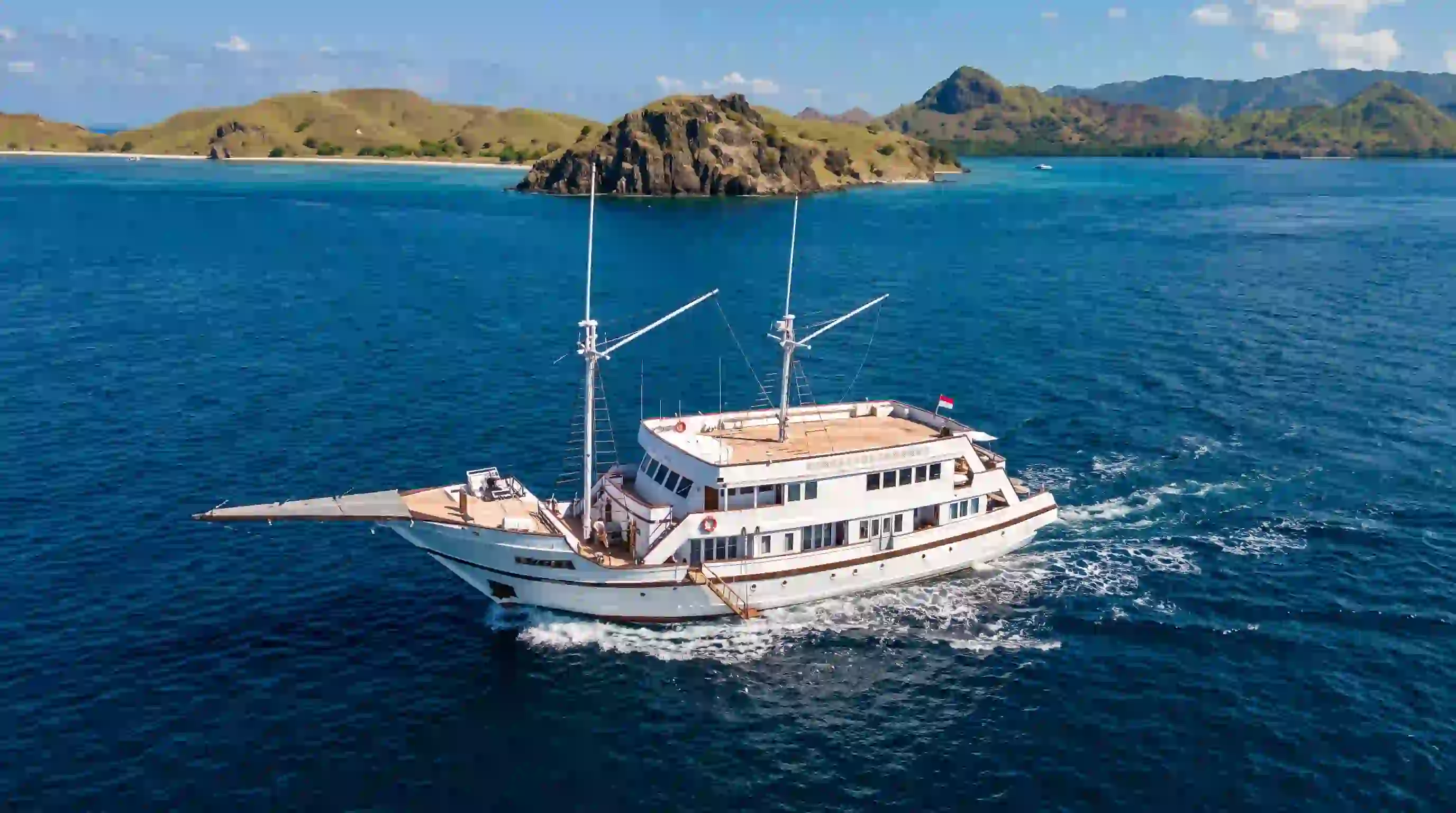
LASHA Raja Ampat: Private Expedition Charters from Sorong
LASHA Raja Ampat expeditions run October through April, departing Sorong...
LASHA Raja Ampat expeditions run October through April, departing Sorong for Wayag, Piaynemo, and Misool aboard a 52.5-metre, ten-cabin luxury...
The Raja Ampat Charter Fleet Worth Flying For in 2027
The Raja Ampat yacht charters most worth flying for in...
The Raja Ampat yacht charters most worth flying for in 2027 are Lamima, with a verified rate of USD 27,000–28,000...
Raja Ampat Honeymoon 2027: The Ultimate Romantic Sailing Guide
Last updated: August 16, 2026 — compiled by the Luxury...
Last updated: August 16, 2026 — compiled by the Luxury Raja Ampat editorial desk, with operational input from crews currently...