
Bali is Just One Island in Indonesia — Discover Raja Ampat, the World’s Best Next Door

Luxury Raja Ampat Editorial Desk
April 12, 2026
12 min read
Wait — Bali Is Part of Indonesia?
This is not a condescending question. Surveys of international travelers consistently show that a significant percentage of visitors to Bali — particularly first-time visitors from Australia, Europe, and North America — do not instinctively connect Bali to Indonesia as a larger nation. They book flights to Bali. They tell friends they are going to Bali. Their Instagram captions say Bali. The word Indonesia appears on their visa stamp and then largely disappears from their consciousness.
This knowledge gap represents one of the most significant missed opportunities in luxury travel. Because Indonesia is not just Bali. Indonesia is the largest archipelago on Earth — 17,508 islands spread across 5,000 kilometers of ocean, from the tip of Sumatra in the west to Papua in the east. If you overlaid Indonesia onto a map of Europe, it would stretch from Portugal to Iran. If you placed it across North America, it would span from Los Angeles to Bermuda.
Bali is one island within this vast nation. It covers 5,780 square kilometers — roughly the size of Delaware — and receives over 7 million international visitors per year. It is magnificent, culturally rich, and deservedly famous. But it represents approximately 0.3 percent of Indonesia’s total land area and an even smaller fraction of its natural diversity.
What Is Raja Ampat and Why Haven’t Most Travelers Heard of It?
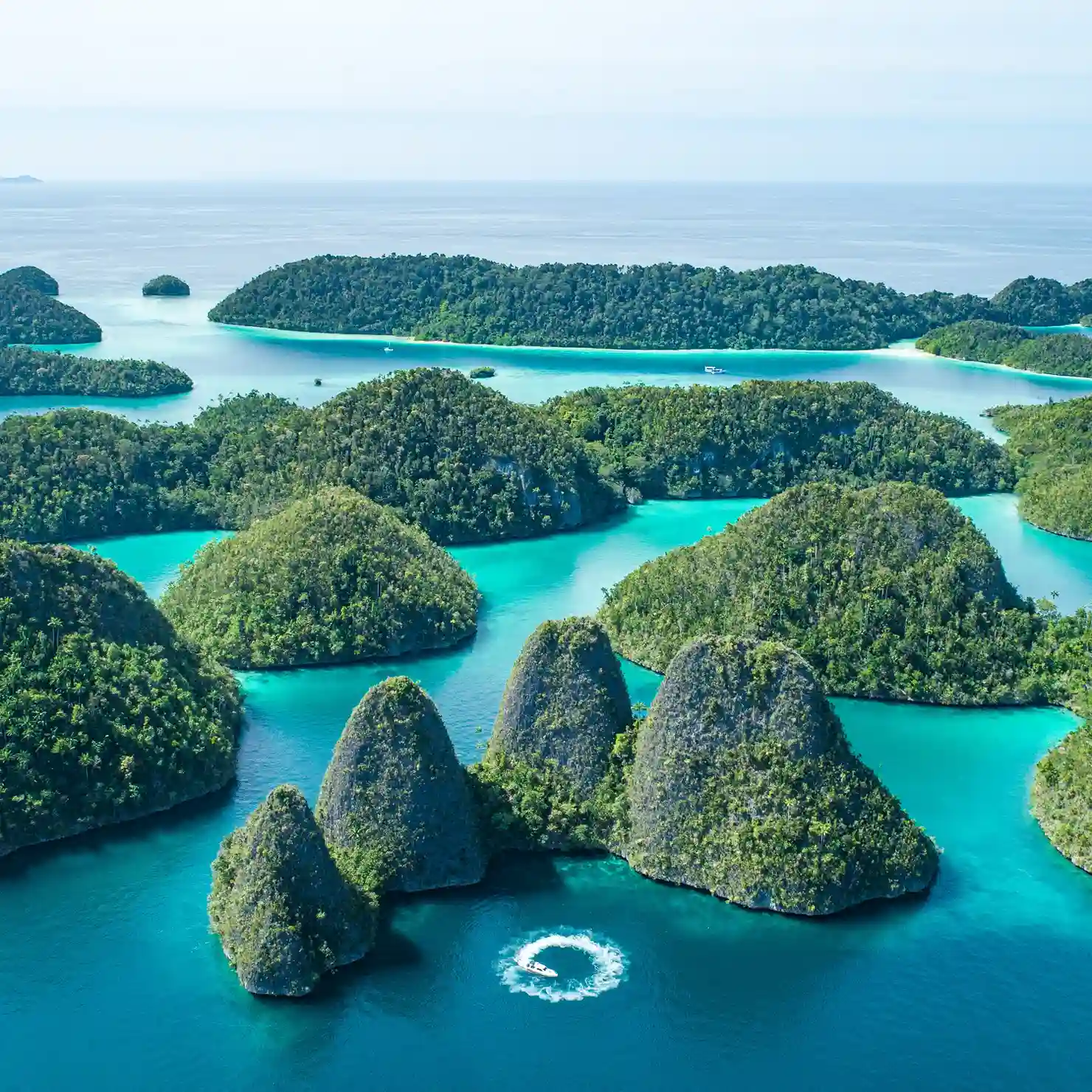
Raja Ampat — which translates to “The Four Kings” in Indonesian — is an archipelago of over 1,500 islands located in West Papua province at the far eastern edge of Indonesia. In marine biology circles, Raja Ampat is not merely well-known — it is considered the single most biodiverse marine ecosystem ever documented. Seventy-five percent of all coral species on Earth have been recorded here. Over 1,500 fish species inhabit these reefs. Species found nowhere else on the planet — including walking sharks that use their fins to crawl across coral at dusk — have been documented in Raja Ampat’s waters.
The reason most travelers have not heard of Raja Ampat is precisely what makes it extraordinary: it is remote. There are no direct international flights. The nearest major airport is Sorong, a small city in West Papua reachable by domestic connections from Jakarta, Makassar, or Bali. There are no large resort chains. Accommodation is primarily aboard luxury liveaboards and small eco-resorts built with minimal environmental impact.
Raja Ampat receives approximately 30,000 visitors per year — compared to Bali’s 7 million. The math translates to an exclusivity ratio that no amount of money can buy in Bali: for every 233 tourists sharing a sunset at Uluwatu, one traveler has an entire Raja Ampat lagoon to themselves.
How Close Are Bali and Raja Ampat, Really?
The mental distance between Bali and Raja Ampat is far greater than the physical distance. Most travelers imagine that reaching Raja Ampat from Bali requires international flights, border crossings, visas, and complicated logistics. The reality is startlingly simple.
Bali Ngurah Rai Airport to Sorong, Raja Ampat: approximately 5 hours by domestic flight with one connection through Makassar (South Sulawesi) or Ambon (Maluku). Airlines operating this route include Garuda Indonesia, Citilink, Lion Air, and Batik Air — all with daily departures. No international border crossing. No additional visa. Your Indonesia entry stamp covers the entire country, from Bali’s western beaches to Papua’s eastern rainforests.
Five hours. That is the distance between the most visited island in Indonesia and the most biodiverse marine environment on Earth. For context, five hours is less than the flight time from London to Istanbul, from New York to Denver, or from Sydney to Auckland. The geographical proximity of these two utterly different worlds — existing within the same sovereign nation — is Indonesia’s greatest luxury travel secret.
Indonesia’s Scale: A Country That Defies Imagination
To understand why Raja Ampat exists within reach of your Bali villa requires understanding Indonesia’s extraordinary geography. The numbers alone are staggering: 17,508 islands. 273 million people. Over 700 living languages. Six major religions practiced across a constitutional framework of religious pluralism. Tropical rainforests that produce 10 percent of the world’s oxygen. Volcanic mountains exceeding 3,000 meters. Coral reef systems covering 51,000 square kilometers — the largest in the world.
Indonesia contains more marine biodiversity than any nation on Earth, more volcanic activity than any country in the Pacific Ring of Fire, and more cultural diversity per square kilometer than most continents. Bali is its most famous ambassador — but imagining Indonesia through Bali alone is like imagining the United States through Manhattan alone. True, impressive, and utterly incomplete.
What Can Raja Ampat Offer That Bali Cannot?
Bali excels at cultural luxury: temples, rice terraces, spa wellness, fine dining, beach clubs, boutique shopping, and the kind of refined hospitality that draws visitors back year after year. These are Bali’s genuine strengths, and no other island in Indonesia replicates them at the same level.
Raja Ampat offers something Bali structurally cannot provide: pristine marine wilderness at a scale that overwhelms the senses. When you slip beneath the surface aboard your private charter vessel at a dive site in Raja Ampat’s Dampier Strait, you are entering an underwater world so rich that marine biologists have counted more fish species on a single Raja Ampat reef than exist in the entire Caribbean Sea. The coral formations alone — brain corals the size of small cars, fan corals spanning three meters, soft corals in every color from electric purple to neon orange — create an underwater landscape that looks like it was designed by an artist with an unlimited palette and no concept of restraint.
Bali cannot offer this because Bali’s geography does not support it. The island’s position in the Lesser Sunda chain gives it excellent marine life — particularly around Nusa Penida — but the deep-water passages, volcanic nutrient upwelling, and geographic convergence of Pacific and Indian Ocean currents that create Raja Ampat’s extraordinary biodiversity are unique to this specific location at the heart of the Coral Triangle.
The Smartest Luxury Travelers Are Combining Both
The emerging pattern among high-net-worth travelers to Indonesia is a combined itinerary: 7 days in Bali for cultural immersion and curated luxury, followed by 7 to 10 days in Raja Ampat for marine wilderness and ocean adventure. This combination creates a 14-day Indonesia journey that is arguably the most diverse luxury travel experience available anywhere on Earth — temple ceremonies and manta ray encounters, rice terrace walks and coral reef dives, Michelin-adjacent restaurants and chef-prepared liveaboard dinners under southern hemisphere stars.
Juara Holding Group is the only luxury operator in Indonesia that manages both destinations under one organization. Bali Premium Trip handles your Bali luxury experience — private tours, villa bookings, yacht charters, and cultural immersion. Luxury Raja Ampat manages your liveaboard expedition — vessel selection, dive guide coordination, and Raja Ampat itinerary design. Komodo Luxury adds the option of a Komodo National Park extension, creating a three-destination Indonesia luxury circuit that no other operator can match.
You have seen Indonesia’s most famous island. Now experience its most extraordinary one.
Frequently Asked Questions
Is Bali part of Indonesia?
Yes. Bali is one of 17,508 islands in the Republic of Indonesia, spanning 5,000 kilometers — wider than the continental United States. Bali represents just 0.3% of Indonesia’s total land area.
How far is Raja Ampat from Bali?
Approximately 2,500 kilometers east, reachable by domestic flight in 5 to 6 hours via Makassar or Ambon. No international border crossing required.
What else should I visit in Indonesia besides Bali?
Top luxury destinations include Raja Ampat for diving, Komodo for dragons and liveaboards, Flores for volcanic lakes, Yogyakarta for Borobudur, and Sumba for remote luxury resorts.
Do I need a separate visa for Raja Ampat?
No. Your Indonesia visa covers all domestic travel. You need a Raja Ampat Marine Park entry permit — approximately $65 USD for international visitors, valid for one year.
Why do most tourists only visit Bali in Indonesia?
Bali has the most developed tourism infrastructure with direct international flights from 30+ countries. But experienced luxury travelers increasingly discover Indonesia’s 17,000+ other islands offer experiences that rival or surpass Bali.
Plan Your Luxury Raja Ampat Experience
Ready to explore Raja Ampat? Discover our Luxury Raja Ampat, yacht charter experiences, luxury cruise, diving experiences. book your voyage.
Related Article
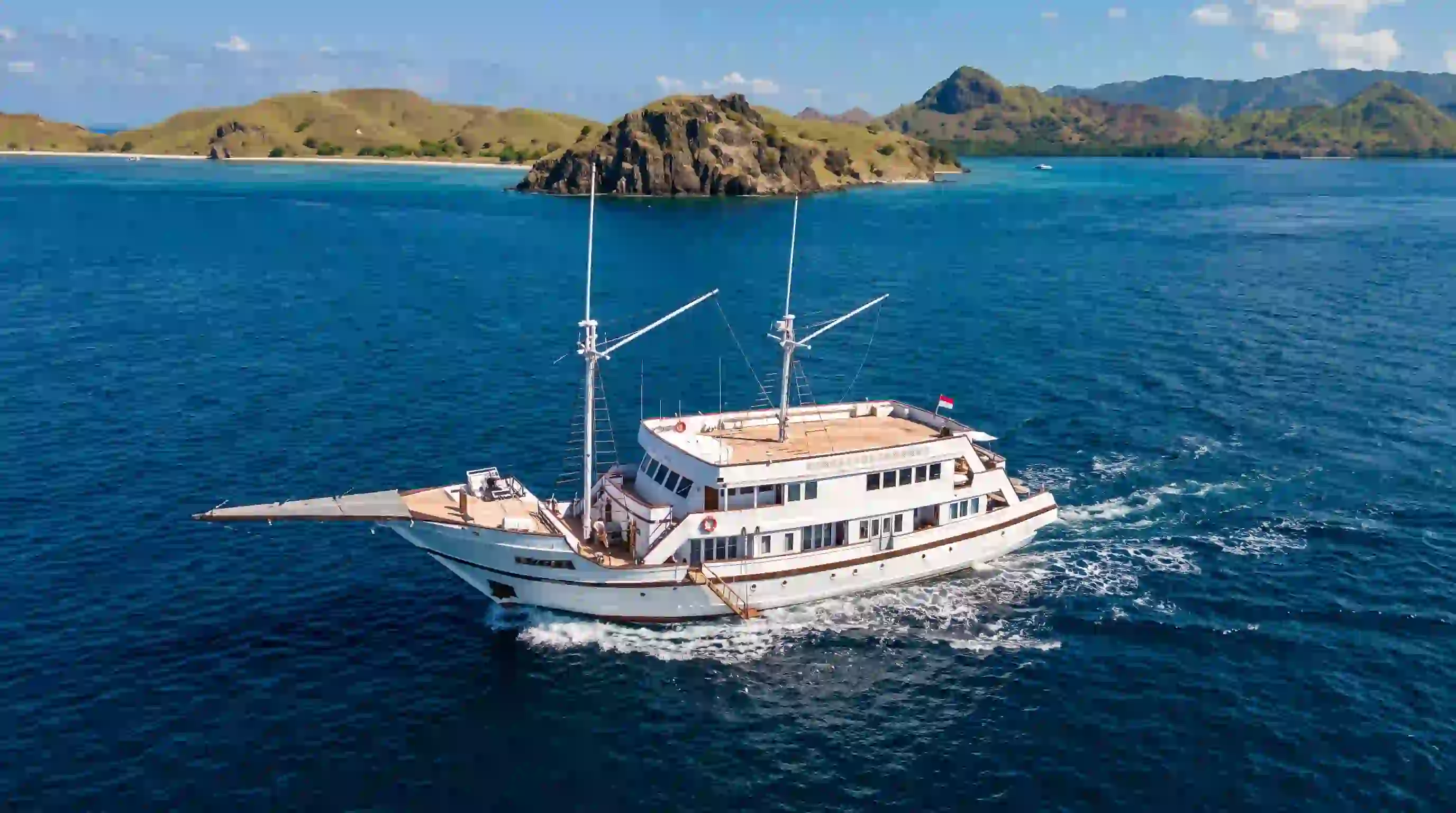
LASHA Raja Ampat: Private Expedition Charters from Sorong
LASHA Raja Ampat expeditions run October through April, departing Sorong...
LASHA Raja Ampat expeditions run October through April, departing Sorong for Wayag, Piaynemo, and Misool aboard a 52.5-metre, ten-cabin luxury...
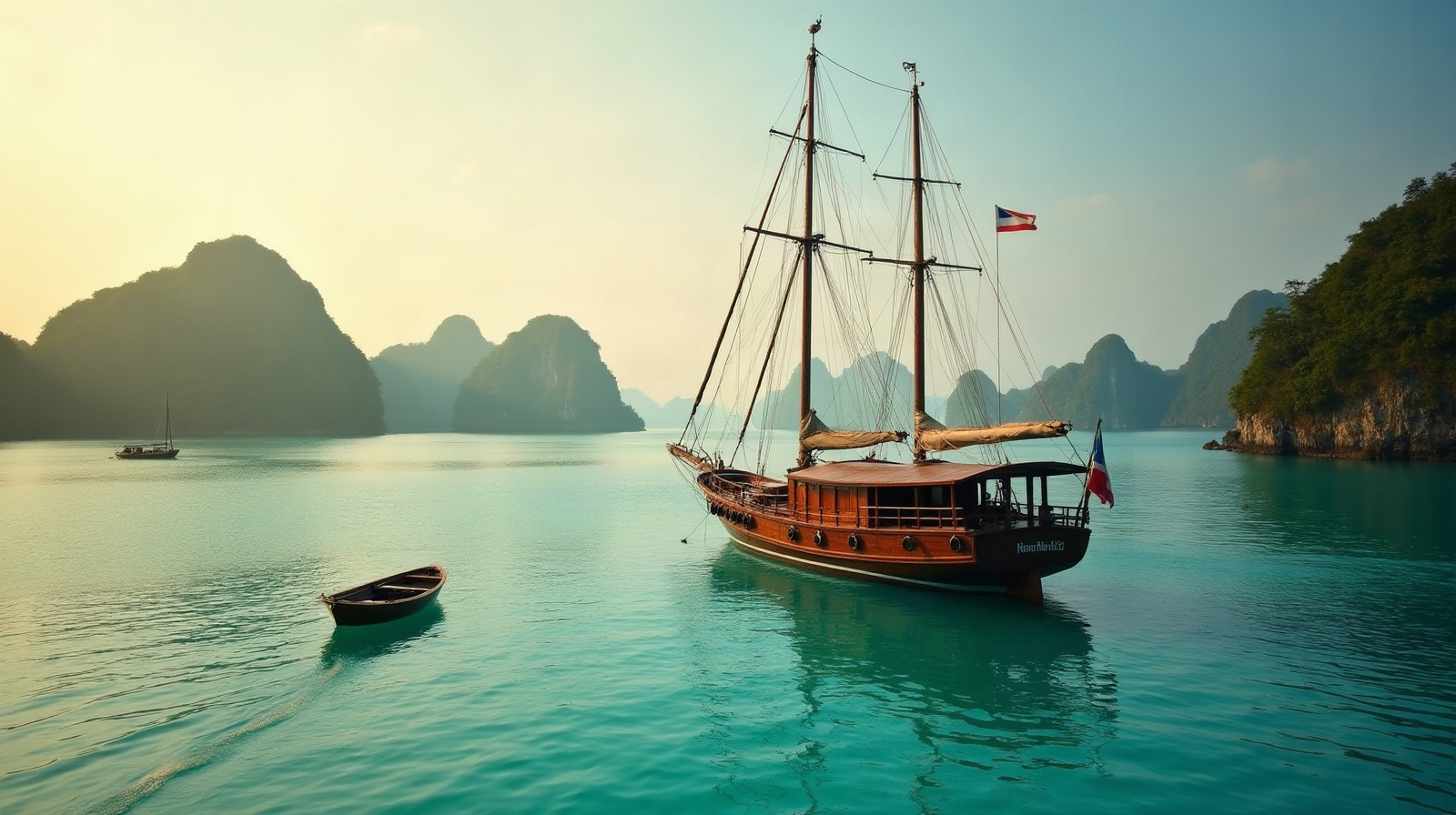
The Raja Ampat Charter Fleet Worth Flying For in 2027
The Raja Ampat yacht charters most worth flying for in...
The Raja Ampat yacht charters most worth flying for in 2027 are Lamima, with a verified rate of USD 27,000–28,000...
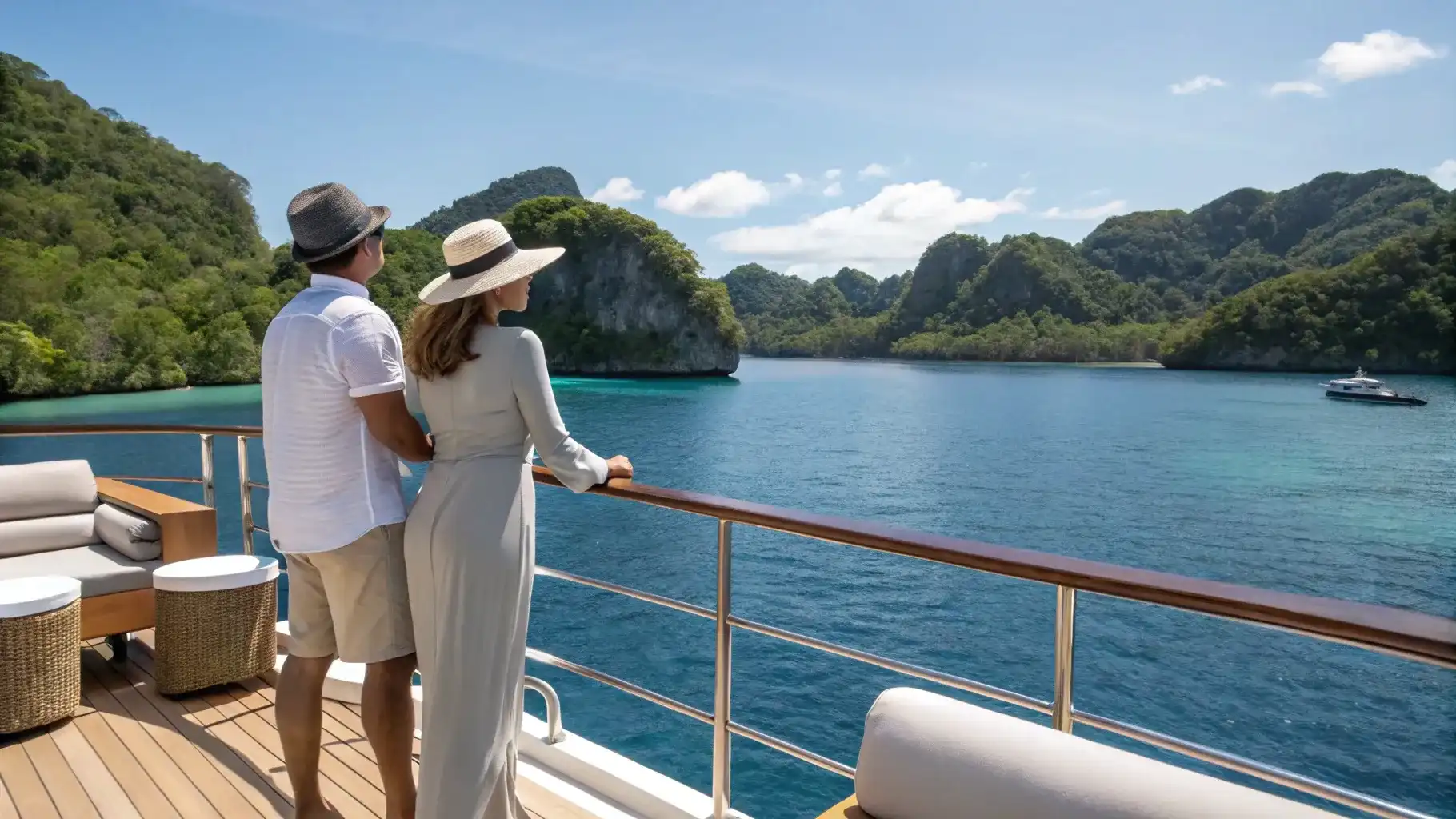
Raja Ampat Honeymoon 2027: The Ultimate Romantic Sailing Guide
Last updated: August 16, 2026 — compiled by the Luxury...
Last updated: August 16, 2026 — compiled by the Luxury Raja Ampat editorial desk, with operational input from crews currently...