
Underwater Photography Raja Ampat — Luxury Charter Guide 2026

Luxury Raja Ampat Editorial Desk
April 12, 2026
22 min read
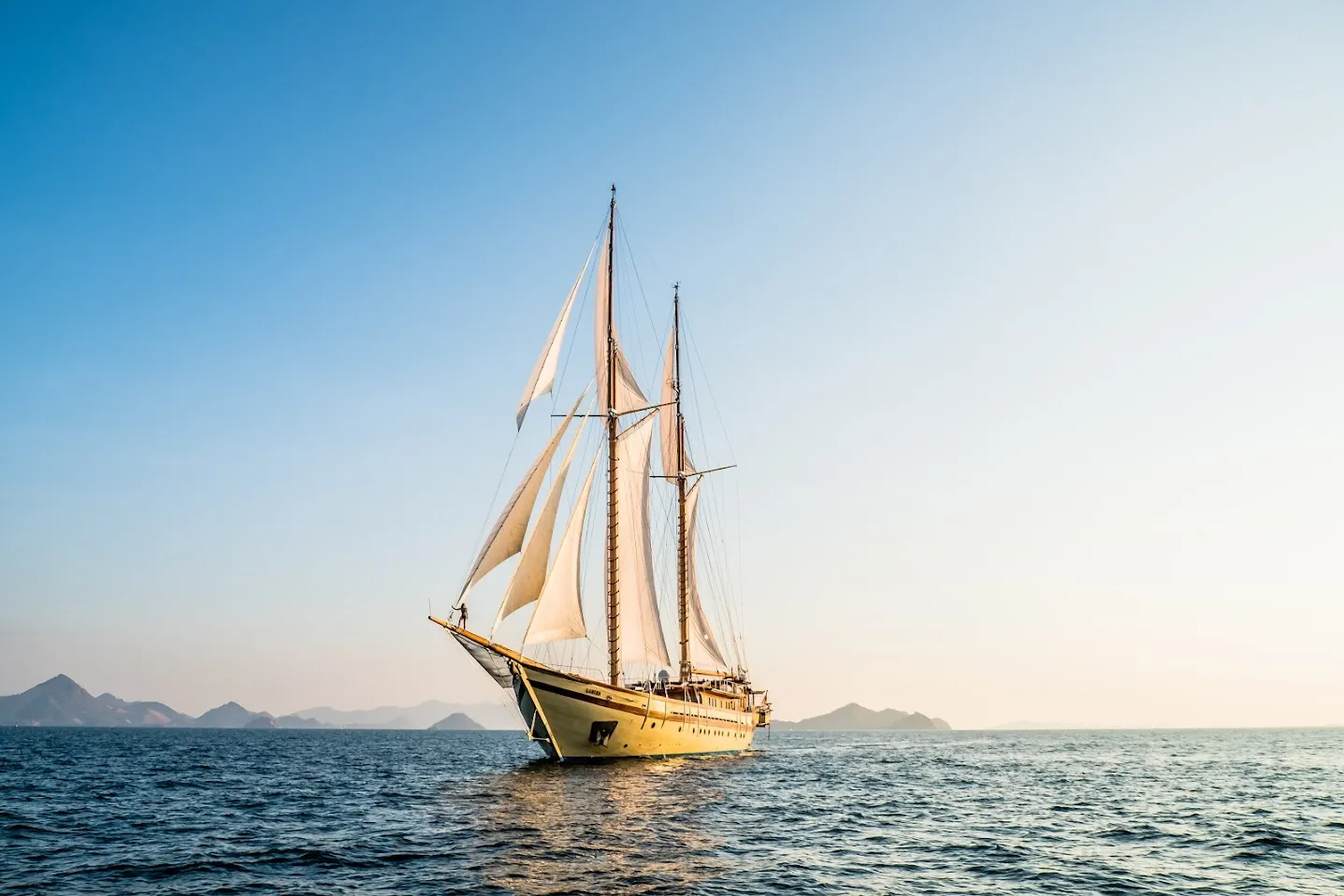
Underwater Photography in Raja Ampat — The Luxury Charter Guide for 2026
Raja Ampat holds the world record for fish species counted on a single dive site — 374 species at Cape Kri, documented by Dr. Gerald Allen in 2012. For photographers, that statistic translates to a simple truth: every frame has something in it. You cannot take a bad photograph in Raja Ampat. You can, however, take extraordinary ones — and the difference between a good Raja Ampat photography trip and a life-changing one comes down to timing, access, and the freedom to shoot without compromise.
Our fleet has hosted underwater photographers ranging from Instagram enthusiasts with GoPros to National Geographic contributors with twin-strobe mirrorless systems. The patterns we have observed over hundreds of photography charters are consistent: the shooters who come back with the best images are not necessarily the ones with the most expensive gear. They are the ones who had the right light at the right site at the right time — and a charter schedule flexible enough to capitalize on it.
Site-by-Site Photography Guide
Cape Kri — Wide-Angle Schooling Fish Paradise
Cape Kri rewards wide-angle lenses more than perhaps any other site in the world. Schools of fusiliers, surgeonfish, and jacks form dense formations along the current line, creating those dramatic “wall of fish” compositions that define tropical reef photography. The key technique at Cape Kri is shooting against the sun — position yourself below the school and angle upward, using the sunburst through the water surface as your background. Fish silhouettes against the backlit water column create images with immediate visual impact.
Recommended lens: Tokina 10-17mm fisheye or equivalent rectilinear wide-angle | Settings starting point: f/8, 1/160s, ISO 200-400 | Strobe position: Wide and pulled back to avoid backscatter in the dense fish schools | Best light: First 30 minutes after sunrise — our pre-dawn anchoring gives you this window
Manta Sandy — Portrait-Style Megafauna
Manta Sandy’s cleaning station creates a predictable setting for manta ray portraiture. The mantas follow consistent flight paths as they circle the station, allowing you to pre-focus and wait for the approach. The sand bottom reflects ambient light upward, creating an even, naturally lit background that eliminates the harsh shadows typical of reef photography. Shoot upward toward the surface for blue water backgrounds, or level for the detailed belly patterns that researchers use for identification.
Recommended lens: Wide-angle, 10-17mm fisheye preferred for close encounters | Settings: f/8-f/11, 1/200s minimum (mantas move fast), ISO 200-320 | Strobes: Optional — ambient light often sufficient at these depths (5-18m), use strobes for fill only | Pro tip: Mantas approach from the same direction at each pass — position yourself facing their approach angle, not chasing from behind
Friwen Wall — Night Photography Specialist Site
Friwen Wall transforms after dark into one of the most unique photographic environments in the ocean. Bioluminescent plankton create trails of electric blue light with any water disturbance. Capturing this requires specialized technique: long exposures (15-30 seconds), high ISO (3200-6400), wide aperture (f/2.8 if your housing allows), and absolute stillness. The results — streaks of blue light against the dark reef wall — are genuinely unlike anything achievable at any other site we know.
Settings: f/2.8-f/4, 15-30 seconds, ISO 3200-6400, manual focus pre-set | Strobes: OFF for bioluminescence shots, one low-power strobe for reef detail with bioluminescence in foreground | Tip: Wave your free hand slowly in the water just above the lens port to create bioluminescent streaks in the immediate foreground — it adds depth and drama
Four Kings — Soft Coral Wide-Angle and Macro
Four Kings is the “two-lens site” — if you could switch housing ports underwater, this is where you would want to. The soft coral-encrusted pinnacles demand wide-angle for overview compositions (the sheer scale and color is the subject), while individual soft coral trees, crinoids, and the resident pygmy seahorses demand macro. Our recommendation: do two dives here. Morning wide-angle, afternoon macro, or vice versa depending on light.
Wide-angle settings: f/8-f/11, 1/125s, ISO 200, dual strobes at medium power for color rendering | Macro settings: f/16-f/22, 1/200s, ISO 100-200, snooted strobe for isolated subjects against dark backgrounds
Nudi Rock — Macro Photography Paradise
If you are a macro shooter, Nudi Rock alone justifies the charter cost. Over 60 documented nudibranch species on a single small rock formation. Chromodoris, Nembrotha, Phyllodesmium, Halgerda — each one a riot of color and form that makes for portfolio-quality images. The challenge is not finding subjects — it is choosing which ones to shoot when you have sixty minutes of bottom time and sixty possible compositions.
Recommended lens: 60mm macro minimum, 105mm preferred for tight compositions | Settings: f/16-f/22, 1/200s, ISO 100-200 | Technique: Black background isolation — position your strobe at 45 degrees above, use a snoot, and shoot slightly upward to catch the nudibranch against the dark water column above the rock
Blue Magic — Pelagic Action Photography
Blue Magic’s open-water seamount attracts pelagic species — reef sharks, barracuda schools, eagle rays, occasional mantas — in fast-moving action sequences. This is sports photography underwater. Autofocus tracking, high shutter speeds, and the ability to react quickly to unpredictable subjects are essential. The deep blue water column surrounding the seamount provides clean, uncluttered backgrounds that separate subjects beautifully.
Settings: f/5.6-f/8, 1/250s minimum, ISO 400-800, continuous autofocus tracking | Strobe position: Tight to housing to minimize backscatter in the blue water | Approach: Stay on the seamount ridge and let pelagics come to you — chasing them wastes air and creates distance
Why Private Charters Win for Photography
Every serious underwater photographer who has shot from both group liveaboards and private charters says the same thing: the images from private charters are in a different category. Here is why, based on operational differences we observe daily:
Pre-dawn access. Our vessels anchor at prime sites before sunrise. Golden hour dives — the 30-minute window when light penetration at shallow depths produces colors impossible at midday — are available on every morning dive. Group liveaboards operate on meal schedules that conflict with this window.
Extended bottom time. On a group liveaboard, dive times are standardized for the group — typically 55-65 minutes regardless of what is happening underwater. On our private charters, if a manta is circling Cape Kri’s cleaning station and you have air, you stay down. Our dive masters monitor your air and safety, not a clock.
Return visits. Found an extraordinary subject at Nudi Rock but ran out of light? On a private charter, we return tomorrow morning. Missed the manta at Blue Magic because the current was wrong? We reschedule for the afternoon slack tide. Group liveaboards follow a fixed route — one pass, one chance.
Dedicated camera infrastructure. Our larger vessels offer rinse tanks sized for professional housings, multiple charging points, flat-screen review stations, and secure storage for camera systems that can exceed $30,000 in value. Some vessels have dedicated camera rooms with compressed air for housing maintenance.
Seasonal Photography Calendar
| Month | Visibility | Best For | Signature Shot |
|---|---|---|---|
| Oct–Nov | 20–35m | Wide-angle, early manta encounters | Manta approach at Manta Sandy |
| Dec–Jan | 25–40m | All styles, peak conditions | Golden hour schooling fish at Cape Kri |
| Feb–Mar | 20–30m | Wide-angle, fewer boats for positioning | Soft coral panoramas at Four Kings |
| Jun–Aug | 12–20m | Macro, spawning events, whale sharks | Nudibranch isolation at Nudi Rock |
| Sep | 15–25m | Transitional — both macro and wide viable | Reef shark action at Blue Magic |
Camera Gear Recommendations
Professional systems: Sony A7R V or Nikon Z8 in Nauticam housing. Dual Z-330 or YS-D3 strobes. Tokina 10-17mm fisheye (via adapter) for wide-angle, Sony 90mm or Nikon 105mm for macro. Budget: $15,000-$30,000 for a complete dual-lens system.
Enthusiast systems: Sony RX100 VII in Nauticam housing with single strobe. Remarkably capable for both wide and close-up work. The compact form factor is actually an advantage in tight swim-throughs at Boo Windows. Budget: $3,000-$5,000.
Action cameras: GoPro Hero 12 or DJI Osmo Action 4 in dive housing. Excellent for video and wide-angle stills in Raja Ampat’s shallow, brightly lit reefs. Limited for macro work. Budget: $400-$800.
Frequently Asked Questions
Do I need professional equipment for good Raja Ampat photos?
No. Raja Ampat’s combination of crystal-clear water, shallow reefs, and dense marine life means even a GoPro produces impressive results. That said, serious photographers will want at minimum a compact camera in housing with a strobe for color rendition at depth.
Can I get both wide-angle and macro photography on one trip?
Absolutely. We schedule wide-angle sites (Cape Kri, Blue Magic) and macro sites (Nudi Rock, Four Kings) on alternating dives. Most photographers switch lens ports between morning and afternoon dives. A 7-day charter provides ample time for both styles.
Are photography workshops available?
Our dive masters assist with positioning and subject identification. For formal instruction, we can arrange trips coinciding with professional photography workshops or provide dedicated photography-focused dive briefings. Contact us to discuss photography-specific charter requirements.
Plan Your Photography Expedition
Pre-dawn site access. Extended dive times. Custom itineraries built around light conditions and subjects.
Design Your Photography Charter →Underwater Photography in Raja Ampat — The Luxury Charter Guide for 2026
Raja Ampat holds the world record for fish species counted on a single dive site — 374 species at Cape Kri, documented by Dr. Gerald Allen in 2012. For photographers, that statistic translates to a simple truth: every frame has something in it. You cannot take a bad photograph in Raja Ampat. You can, however, take extraordinary ones — and the difference between a good Raja Ampat photography trip and a life-changing one comes down to timing, access, and the freedom to shoot without compromise.
Our fleet has hosted underwater photographers ranging from Instagram enthusiasts with GoPros to National Geographic contributors with twin-strobe mirrorless systems. The patterns we have observed over hundreds of photography charters are consistent: the shooters who come back with the best images are not necessarily the ones with the most expensive gear. They are the ones who had the right light at the right site at the right time — and a charter schedule flexible enough to capitalize on it.
Site-by-Site Photography Guide
Cape Kri — Wide-Angle Schooling Fish Paradise
Cape Kri rewards wide-angle lenses more than perhaps any other site in the world. Schools of fusiliers, surgeonfish, and jacks form dense formations along the current line, creating those dramatic “wall of fish” compositions that define tropical reef photography. The key technique at Cape Kri is shooting against the sun — position yourself below the school and angle upward, using the sunburst through the water surface as your background. Fish silhouettes against the backlit water column create images with immediate visual impact.
Recommended lens: Tokina 10-17mm fisheye or equivalent rectilinear wide-angle | Settings starting point: f/8, 1/160s, ISO 200-400 | Strobe position: Wide and pulled back to avoid backscatter in the dense fish schools | Best light: First 30 minutes after sunrise — our pre-dawn anchoring gives you this window
Manta Sandy — Portrait-Style Megafauna
Manta Sandy’s cleaning station creates a predictable setting for manta ray portraiture. The mantas follow consistent flight paths as they circle the station, allowing you to pre-focus and wait for the approach. The sand bottom reflects ambient light upward, creating an even, naturally lit background that eliminates the harsh shadows typical of reef photography. Shoot upward toward the surface for blue water backgrounds, or level for the detailed belly patterns that researchers use for identification.
Recommended lens: Wide-angle, 10-17mm fisheye preferred for close encounters | Settings: f/8-f/11, 1/200s minimum (mantas move fast), ISO 200-320 | Strobes: Optional — ambient light often sufficient at these depths (5-18m), use strobes for fill only | Pro tip: Mantas approach from the same direction at each pass — position yourself facing their approach angle, not chasing from behind
Friwen Wall — Night Photography Specialist Site
Friwen Wall transforms after dark into one of the most unique photographic environments in the ocean. Bioluminescent plankton create trails of electric blue light with any water disturbance. Capturing this requires specialized technique: long exposures (15-30 seconds), high ISO (3200-6400), wide aperture (f/2.8 if your housing allows), and absolute stillness. The results — streaks of blue light against the dark reef wall — are genuinely unlike anything achievable at any other site we know.
Settings: f/2.8-f/4, 15-30 seconds, ISO 3200-6400, manual focus pre-set | Strobes: OFF for bioluminescence shots, one low-power strobe for reef detail with bioluminescence in foreground | Tip: Wave your free hand slowly in the water just above the lens port to create bioluminescent streaks in the immediate foreground — it adds depth and drama
Four Kings — Soft Coral Wide-Angle and Macro
Four Kings is the “two-lens site” — if you could switch housing ports underwater, this is where you would want to. The soft coral-encrusted pinnacles demand wide-angle for overview compositions (the sheer scale and color is the subject), while individual soft coral trees, crinoids, and the resident pygmy seahorses demand macro. Our recommendation: do two dives here. Morning wide-angle, afternoon macro, or vice versa depending on light.
Wide-angle settings: f/8-f/11, 1/125s, ISO 200, dual strobes at medium power for color rendering | Macro settings: f/16-f/22, 1/200s, ISO 100-200, snooted strobe for isolated subjects against dark backgrounds
Nudi Rock — Macro Photography Paradise
If you are a macro shooter, Nudi Rock alone justifies the charter cost. Over 60 documented nudibranch species on a single small rock formation. Chromodoris, Nembrotha, Phyllodesmium, Halgerda — each one a riot of color and form that makes for portfolio-quality images. The challenge is not finding subjects — it is choosing which ones to shoot when you have sixty minutes of bottom time and sixty possible compositions.
Recommended lens: 60mm macro minimum, 105mm preferred for tight compositions | Settings: f/16-f/22, 1/200s, ISO 100-200 | Technique: Black background isolation — position your strobe at 45 degrees above, use a snoot, and shoot slightly upward to catch the nudibranch against the dark water column above the rock
Blue Magic — Pelagic Action Photography
Blue Magic’s open-water seamount attracts pelagic species — reef sharks, barracuda schools, eagle rays, occasional mantas — in fast-moving action sequences. This is sports photography underwater. Autofocus tracking, high shutter speeds, and the ability to react quickly to unpredictable subjects are essential. The deep blue water column surrounding the seamount provides clean, uncluttered backgrounds that separate subjects beautifully.
Settings: f/5.6-f/8, 1/250s minimum, ISO 400-800, continuous autofocus tracking | Strobe position: Tight to housing to minimize backscatter in the blue water | Approach: Stay on the seamount ridge and let pelagics come to you — chasing them wastes air and creates distance
Why Private Charters Win for Photography
Every serious underwater photographer who has shot from both group liveaboards and private charters says the same thing: the images from private charters are in a different category. Here is why, based on operational differences we observe daily:
Pre-dawn access. Our vessels anchor at prime sites before sunrise. Golden hour dives — the 30-minute window when light penetration at shallow depths produces colors impossible at midday — are available on every morning dive. Group liveaboards operate on meal schedules that conflict with this window.
Extended bottom time. On a group liveaboard, dive times are standardized for the group — typically 55-65 minutes regardless of what is happening underwater. On our private charters, if a manta is circling Cape Kri’s cleaning station and you have air, you stay down. Our dive masters monitor your air and safety, not a clock.
Return visits. Found an extraordinary subject at Nudi Rock but ran out of light? On a private charter, we return tomorrow morning. Missed the manta at Blue Magic because the current was wrong? We reschedule for the afternoon slack tide. Group liveaboards follow a fixed route — one pass, one chance.
Dedicated camera infrastructure. Our larger vessels offer rinse tanks sized for professional housings, multiple charging points, flat-screen review stations, and secure storage for camera systems that can exceed $30,000 in value. Some vessels have dedicated camera rooms with compressed air for housing maintenance.
Seasonal Photography Calendar
| Month | Visibility | Best For | Signature Shot |
|---|---|---|---|
| Oct–Nov | 20–35m | Wide-angle, early manta encounters | Manta approach at Manta Sandy |
| Dec–Jan | 25–40m | All styles, peak conditions | Golden hour schooling fish at Cape Kri |
| Feb–Mar | 20–30m | Wide-angle, fewer boats for positioning | Soft coral panoramas at Four Kings |
| Jun–Aug | 12–20m | Macro, spawning events, whale sharks | Nudibranch isolation at Nudi Rock |
| Sep | 15–25m | Transitional — both macro and wide viable | Reef shark action at Blue Magic |
Camera Gear Recommendations
Professional systems: Sony A7R V or Nikon Z8 in Nauticam housing. Dual Z-330 or YS-D3 strobes. Tokina 10-17mm fisheye (via adapter) for wide-angle, Sony 90mm or Nikon 105mm for macro. Budget: $15,000-$30,000 for a complete dual-lens system.
Enthusiast systems: Sony RX100 VII in Nauticam housing with single strobe. Remarkably capable for both wide and close-up work. The compact form factor is actually an advantage in tight swim-throughs at Boo Windows. Budget: $3,000-$5,000.
Action cameras: GoPro Hero 12 or DJI Osmo Action 4 in dive housing. Excellent for video and wide-angle stills in Raja Ampat’s shallow, brightly lit reefs. Limited for macro work. Budget: $400-$800.
Frequently Asked Questions
Do I need professional equipment for good Raja Ampat photos?
No. Raja Ampat’s combination of crystal-clear water, shallow reefs, and dense marine life means even a GoPro produces impressive results. That said, serious photographers will want at minimum a compact camera in housing with a strobe for color rendition at depth.
Can I get both wide-angle and macro photography on one trip?
Absolutely. We schedule wide-angle sites (Cape Kri, Blue Magic) and macro sites (Nudi Rock, Four Kings) on alternating dives. Most photographers switch lens ports between morning and afternoon dives. A 7-day charter provides ample time for both styles.
Are photography workshops available?
Our dive masters assist with positioning and subject identification. For formal instruction, we can arrange trips coinciding with professional photography workshops or provide dedicated photography-focused dive briefings. Contact us to discuss photography-specific charter requirements.
Plan Your Photography Expedition
Pre-dawn site access. Extended dive times. Custom itineraries built around light conditions and subjects.
Design Your Photography Charter →Plan Your Luxury Raja Ampat Experience
Ready to explore Raja Ampat? Discover our diving experiences, liveaboard adventures, yacht charter experiences, book your voyage. book your voyage.
Related Article
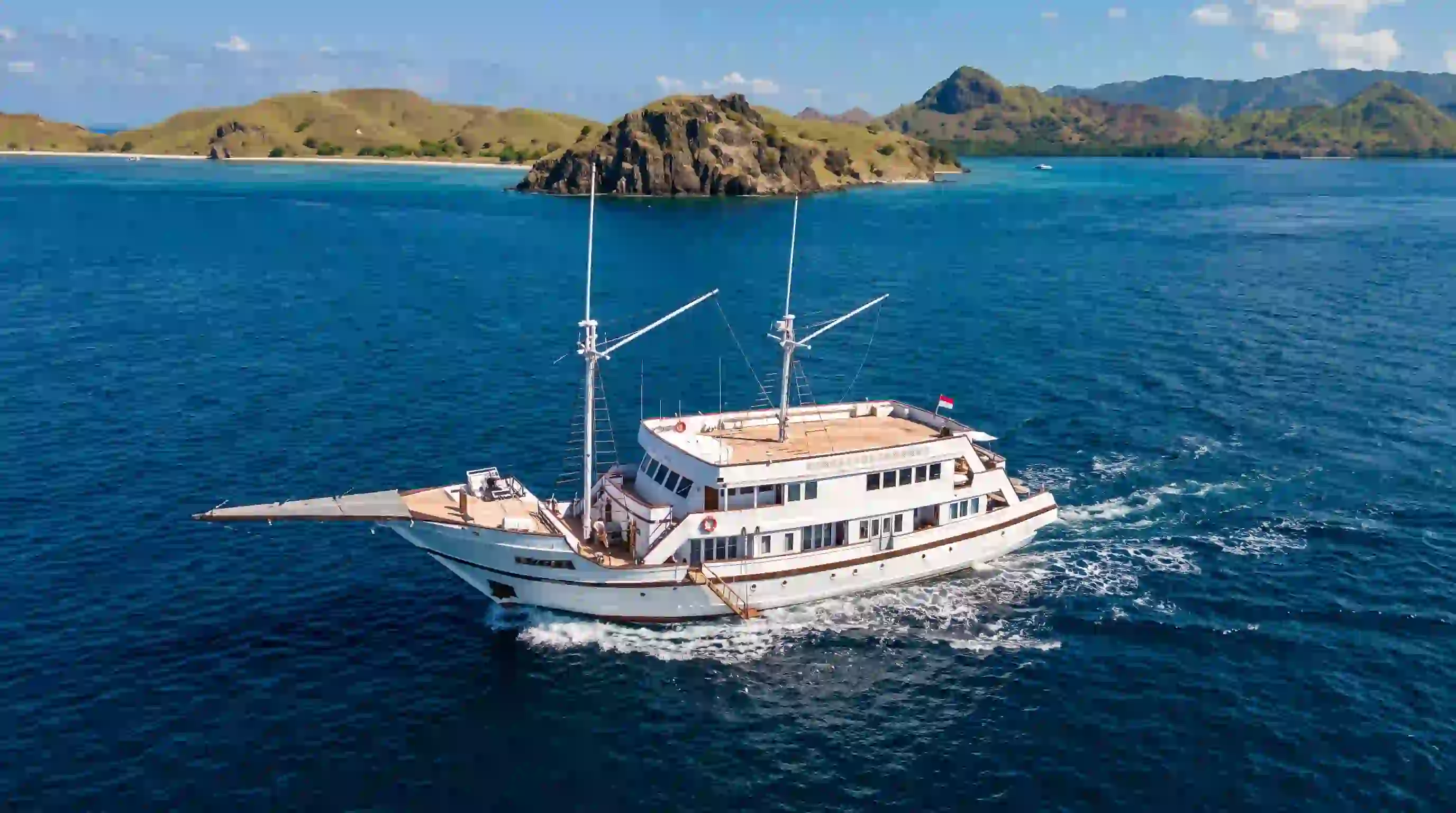
LASHA Raja Ampat: Private Expedition Charters from Sorong
LASHA Raja Ampat expeditions run October through April, departing Sorong...
LASHA Raja Ampat expeditions run October through April, departing Sorong for Wayag, Piaynemo, and Misool aboard a 52.5-metre, ten-cabin luxury...
The Raja Ampat Charter Fleet Worth Flying For in 2027
The Raja Ampat yacht charters most worth flying for in...
The Raja Ampat yacht charters most worth flying for in 2027 are Lamima, with a verified rate of USD 27,000–28,000...
Raja Ampat Honeymoon 2027: The Ultimate Romantic Sailing Guide
Last updated: August 16, 2026 — compiled by the Luxury...
Last updated: August 16, 2026 — compiled by the Luxury Raja Ampat editorial desk, with operational input from crews currently...