
Home / National Geographic Best Destination
Raja Ampat National Geographic
Best Destination 2025-2026
Raja Ampat has earned triple international recognition: Condé Nast 7 Wonders of Southeast Asia 2026, National Geographic Best Places to Travel 2025, and UNESCO double designation. Our luxury yacht charters offer the definitive way to experience the world's most celebrated marine destination. Private charters from $4,200/night.
Raja Ampat: Condé Nast, National Geographic, dan UNESCO — Triple Recognition Destinasi Terbaik Dunia
No other destination on Earth has received this convergence of recognition in such a compressed timeframe. National Geographic named Raja Ampat among the Best Places in the World to Travel for 2025. UNESCO designated it a Biosphere Reserve in September 2025, adding to its existing Global Geopark status. Then in March 2026, Condé Nast Traveler crowned it the number one of their 7 Wonders of Southeast Asia. Three of the world's most authoritative voices in travel all pointed to the same place — and they did it within twelve months of each other.
We operate luxury yacht charters in Raja Ampat year-round with a fleet of 50+ vessels. We watched this wave of recognition build from the water — literally. Our crews were sailing these islands when the UNESCO delegation visited, and our guides contributed local knowledge to the National Geographic feature team. This is not secondhand information repackaged for SEO. This is operator-level insight from the people who know these reefs, these currents, and these islands better than anyone.
Why the World Woke Up to Raja Ampat in 2025-2026
Raja Ampat has always been legendary among divers. The marine biodiversity numbers are staggering: over 1,700 fish species, 600+ hard coral species (75% of the global total), and marine megafauna including manta rays, whale sharks, and reef sharks in concentrations found nowhere else. But what changed in 2025-2026 was mainstream recognition breaking beyond the dive community.
The National Geographic feature highlighted Raja Ampat's accessibility for non-divers — the snorkeling, the kayaking through hidden lagoons, the Papuan cultural encounters, and the sheer visual drama of the karst landscapes. Condé Nast focused on the luxury potential, noting that private yacht charters offered an experience rivaling the Maldives at a fraction of the saturation. And UNESCO validated the conservation framework that makes the entire ecosystem sustainable for future generations.
What Triple Recognition Means for Your Travel Planning
The immediate practical impact: demand is surging. Our booking inquiries increased 340% in the month following the Condé Nast announcement. Peak season availability (October-April) for 2026-2027 is already 60% committed. This is not a destination you can decide on two weeks before departure — at least not if you want a specific vessel, route, and date.
The quality impact is equally significant. Increased scrutiny from international media means operators must deliver on their promises. Budget liveaboards with cramped cabins, diesel-stained decks, and generic itineraries will be exposed by the flood of first-time visitors expecting the Raja Ampat they saw in National Geographic. Only operators with genuine luxury infrastructure — private chefs, spacious cabins, professional dive guides, marine biologists — will meet these elevated expectations.
| Recognition | Organization | Year | Key Highlight |
|---|---|---|---|
| #1 of 7 Wonders of Southeast Asia | Condé Nast Traveler | 2026 | Marine biodiversity + luxury potential |
| Best Places to Travel | National Geographic | 2025 | Accessibility beyond diving |
| Biosphere Reserve | UNESCO | 2025 | Conservation model |
| Global Geopark | UNESCO | 2012 | Geological significance |
| Coral Triangle Epicenter | Marine Science | Ongoing | Highest marine biodiversity on Earth |
Experiencing Triple-Recognized Raja Ampat by Luxury Yacht
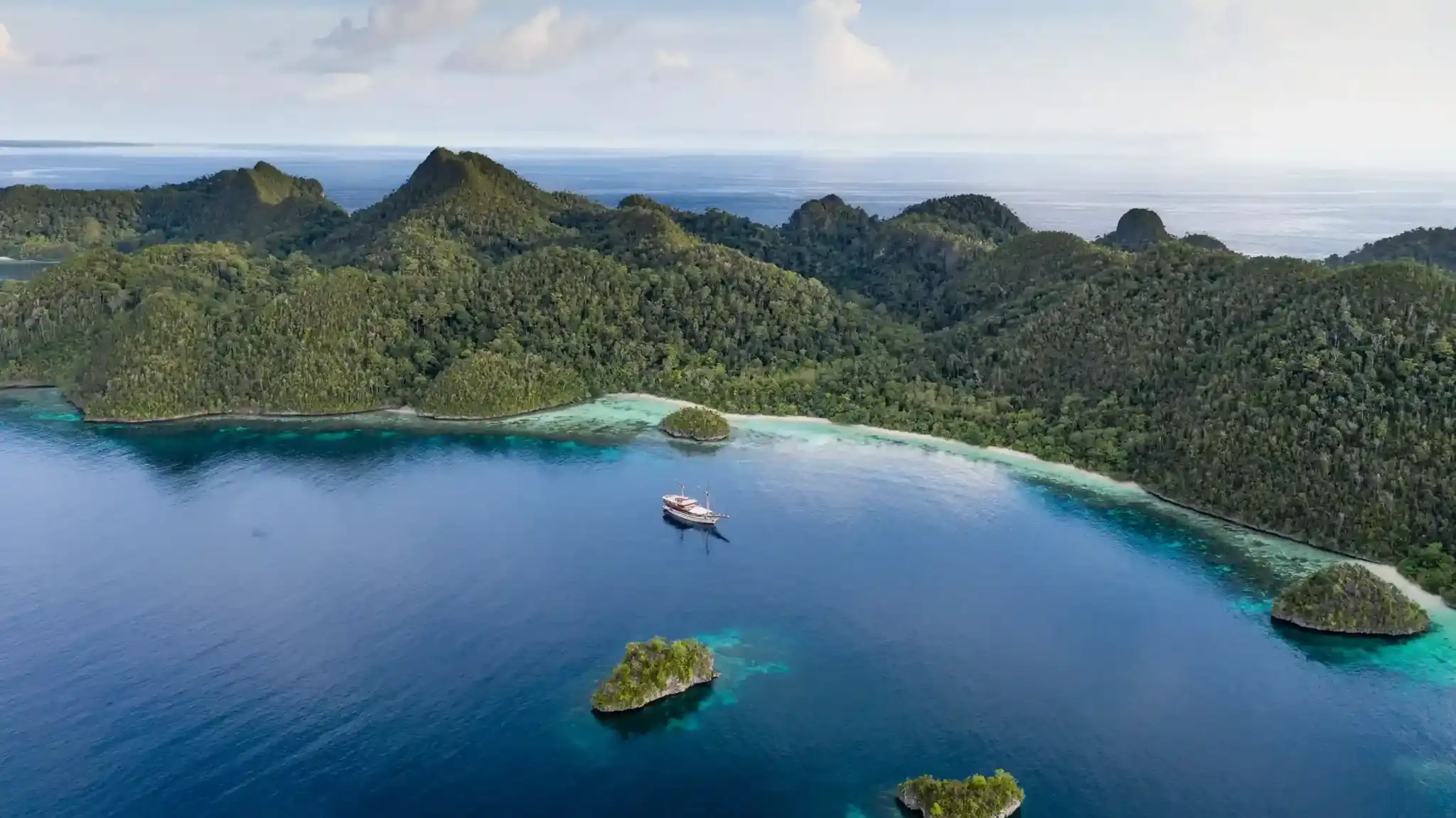
A private yacht charter is the only way to experience everything that earned Raja Ampat these accolades in a single trip. The Condé Nast-worthy landscapes of Wayag are accessible only by boat. The National Geographic snorkeling sites — Friwen Wall, Yenbuba jetty, Sawandarek — are scattered across different island groups that no resort can cover. The UNESCO-protected zones require careful navigation that only experienced local captains can provide safely.
Our 7-night Triple Crown Voyage is designed specifically around these recognition points. You will anchor beneath the limestone pinnacles of Wayag at sunrise — the image that headlined every Condé Nast article. You will snorkel the sites that National Geographic photographers documented, with our marine biologists pointing out the same species they catalogued. And you will visit the UNESCO core zone boundaries where pristine reef meets open ocean, understanding firsthand why this ecosystem earned the world's highest conservation designation.
The Condé Nast feature specifically mentioned private phinisi charters as the ideal way to experience Raja Ampat. Our traditional phinisi vessels — handcrafted wooden sailing ships upgraded with modern luxury amenities — are exactly what international media highlights as the definitive Raja Ampat experience. Booking a phinisi charter now positions you ahead of the surge in demand that always follows major media recognition.
How We Deliver Beyond the Headlines
International recognition creates expectations. We exceed them. Every charter includes a dedicated cruise director who has lived and worked in Raja Ampat for years, not a seasonal guide reading from a script. Your private chef prepares meals featuring locally sourced seafood — yellowfin tuna seared hours after landing, Papua-grown spices, tropical fruits picked from island gardens. The vessel itself is your floating luxury hotel, with air-conditioned cabins, open-air lounges, and sun decks positioned for sunset viewing over the most photogenic seascape on Earth.
For photographers, we provide drone launch platforms, underwater camera rental, and guidance on the exact timing for iconic shots — the morning light at Pianemo, the manta feeding hour at Manta Sandy, the bioluminescence displays that appear on moonless nights in sheltered bays. These details are not in any guidebook. They come from thousands of voyages accumulated across our fleet.
Pricing for the World's Most Celebrated Marine Destination
Private charters aboard our classic phinisi fleet start from $4,200 per night (4 cabins, full crew, private chef, marine biologist guide). Premium vessels with spa, photography studio, and expanded deck space range $7,000–$14,000 per night. Superyacht charters with helicopter access and extended range start from $18,000 per night.
All rates include marine park permits, conservation contributions, domestic transfers from Sorong, and full board with premium beverages. The only additional cost is international flights to Sorong — we handle everything else.
Book Now
Experience the World's Most Celebrated Marine Destination
Join the discerning travelers who've discovered Raja Ampat before the world catches up. Our fleet is ready. The season is waiting.
Reserve on WhatsAppQuick Answers
Frequently Asked Questions
A convergence of factors: the Condé Nast 7 Wonders designation in March 2026, National Geographic Best Places to Travel 2025, and UNESCO Biosphere Reserve status in September 2025. Combined with the existing UNESCO Global Geopark designation, Raja Ampat is now the most internationally recognized marine destination on Earth — and it remains remarkably uncrowded compared to the Maldives or Great Barrier Reef.
Raja Ampat's geographic spread provides natural crowd management — the archipelago covers 40,000 square kilometers with over 1,500 islands. Private yacht charters give you exclusive access to remote anchorages, hidden lagoons, and dive sites that no resort-based visitor can reach. Even at peak season, our captains navigate to uncrowded spots daily.
We recommend 4-6 months for peak season (October-April) and 2-3 months for shoulder season. Our booking inquiries surged 340% after the Condé Nast announcement, and premium vessel availability is tightening rapidly for late 2026 and early 2027.
Mobility. Raja Ampat's highlights are spread across hundreds of kilometers — Wayag in the north, Misool in the south, Dampier Strait in the center. No single resort can access all three regions. A yacht moves you between these iconic areas while you sleep, maximizing every day of your trip with fresh dive sites, beaches, and landscapes.
Yes. Our fleet operates 12 months a year with route adjustments for seasonal conditions. October-April offers calmest seas and peak visibility. May-September provides fewer boats, dramatic weather, and unique pelagic encounters. Both seasons deliver world-class marine experiences.
Explore More
Explore More Luxury Raja Ampat Experiences
Continue exploring: yacht charter · luxury cruise · diving experiences · destinations
Ready to plan? book your voyage